Ingredients for Keratosis Pilaris Cream Formulation
Question
I would like to request assistance in identifying equivalent ingredients from your website and their proportions for a cream to reduce keratosis pilaris, based on the following ingredient list from a product I have used.
Product Description: White cream texture
Ingredient List:
- Water
- Lactic Acid
- Glycolic Acid
- Isopropyl Myristate
- Tocopheryl Acetate
- Cetyl Alcohol
- Isododecene
- Glycerin
- Propylene Glycol
- Dimethicone
- Niacinamide
- Stearyl Alcohol
- Urea
- Betaine
- Mineral Oil
- Salicylic Acid
- Cocos Nucifera Oil
- Butylene Glycol
- Triethanolamine
- Carbomer
- Centella Asiatica Leaf Extract
- Allantoin
- Panthenol
- Sodium Ascorbyl Phosphate
- BHT (Butylhydroxy Toluene)
- Glyceryl Monostearate
- Broussonetia Papyrifera Bark Extract
- Lactobacillus / Soybean Ferment Extract
- Saccharomyces / Imperata Cylindrica Root Ferment Extract
- Saccharomyces / Viscum Album (Mistletoe) Ferment Extract
- Gardenia Taitensis Flower Extract
- Morus Alba Root Extract
- Tocopherol
- Sodium Benzoate
Could you please help recommend the ingredients available on your website that are the same or equivalent, and advise on their suitable usage percentages?
Answer
Hello, thank you very much for your kind words and for trusting myskinrecipes products. I am glad to hear that your facial skin has improved. Regarding your question about the cream formulation for keratosis pilaris, I have checked the ingredients you provided against our database. Many of the ingredients you listed are available for purchase on the myskinrecipes website, including: * Lactic Acid * Glycolic Acid * Tocopheryl Acetate (Vitamin E Acetate) * Cetyl Alcohol * Glycerin * Propylene Glycol * Dimethicone * Niacinamide (Vitamin B3) * Urea * Betaine * Mineral Oil * Salicylic Acid * Butylene Glycol * Triethanolamine * Carbomer * Centella Asiatica Leaf Extract * Allantoin * Panthenol (Pro-Vitamin B5) * Glyceryl Monostearate * Tocopherol (Vitamin E) * Sodium Benzoate Some ingredients you mentioned may not be available under the exact name or are complex ingredients that we may not have as single raw materials for formulation. These include: * Isopropyl Myristate * Isododecene * Stearyl Alcohol * Cocos Nucifera Oil (Coconut Oil - may be available in the natural oils category, but not listed in the checked items) * Sodium Ascorbyl Phosphate (Vitamin C - may be available in other forms) * BHT (Butylhydroxy Toluene) * Broussonetia Papyrifera Bark Extract * Lactobacillus / Soybean Ferment Extract * Saccharomyces / Imperata Cylindrica Root Ferment Extract * Saccharomyces / Viscum Album (Mistletoe) Ferment Extract * Gardenia Taitensis Flower Extract * Morus Alba Root Extract (Mulberry Root Extract) For creating a cream to reduce keratosis pilaris, the main ingredients that play a significant role in exfoliation and reducing blockages, which cause keratosis pilaris, are often AHAs (like Lactic Acid, Glycolic Acid) and BHA (Salicylic Acid), as well as Urea, which helps with exfoliation and hydration. Other ingredients like Niacinamide, Allantoin, Panthenol, and Centella Asiatica Extract help soothe the skin, reduce inflammation, and strengthen the skin barrier. Since we cannot provide the exact proportions of the finished product formula you are using, and determining the appropriate proportions for self-formulation depends on the desired concentration, individual skin condition, and compatibility of various ingredients in the cream base. However, you can choose to use the main ingredients available at myskinrecipes that are beneficial for keratosis pilaris, such as: * Exfoliating group: Lactic Acid, Glycolic Acid, Salicylic Acid, Urea * Moisturizing/Soothing group: Glycerin, Propylene Glycol, Butylene Glycol, Niacinamide, Allantoin, Panthenol, Betaine, Centella Asiatica Extract * Cream base/Emulsifier/Emollient group: Cetyl Alcohol, Glyceryl Monostearate, Mineral Oil, Dimethicone, Carbomer, Triethanolamine You can start by using the main exfoliating ingredients at low concentrations first and add moisturizing and soothing ingredients to reduce the chance of irritation. Adjusting the texture to a cream consistency requires ingredients from the cream base/emulsifier group, of which there are many types, and experimentation is needed to achieve the desired texture. I apologize for not being able to provide the exact formula and proportions, but I hope the information on available ingredients and key ingredients for keratosis pilaris is helpful for you to try formulating your own recipe. If you have any further questions about specific raw materials, feel free to ask. Relevant Product IDs (Example of relevant product IDs): * Lactic Acid: 170 * Glycolic Acid: 660 * Salicylic Acid: 148 * Urea: 149 * Niacinamide: 74 * Allantoin: 75 * Panthenol: 111 * Centella Asiatica Extract: 294 * Glycerin: 143 * Propylene Glycol: 138 * Butylene Glycol: 320 * Cetyl Alcohol: 173 * Glyceryl Monostearate: 174 * Carbomer: 651 * Triethanolamine: 139 * Dimethicone: 508 * Mineral Oil: 654 * Betaine: 164 * Tocopheryl Acetate: 65 * Tocopherol: 135 * Sodium Benzoate: 879
Related Products Mentioned
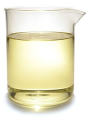
Vitamin E (Tocopheryl Acetate)

Safe-B3™ (Vitamin B3, Niacinamide)
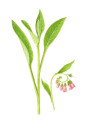
Allantoin
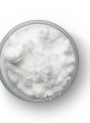
Vitamin E (dl-alpha tocopherol)
Propylene Glycol (USP)
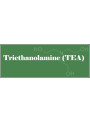
Triethanolamine 99%
Glycerin (USP/Food Grade)
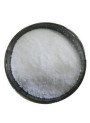
Salicylic Acid (BHA, Pharma Grade)
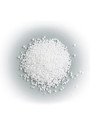
Urea (High Purity, Cosmetics, Powder)
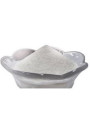
Natural Betaine (Crystal)

Lactic Acid (AHA) 88%
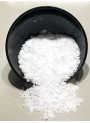
Cetyl Alcohol

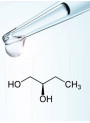
Butylene Glycol
Dimethicone (Light/50, Low-Odor)
Carbomer 940 (EasyDisperse™, France)
Glycopure™ (Glycolic Acid (AHA) Powder)