Inquiries on Vitamin C Usage, Acne Ingredients, Oxybenzone Solubility, and Packaging Suitability
Asked by: nanosecond19
On: July 29, 2016
Product Type:
Cosmetics
Answered
Question
I have several questions regarding ingredients and packaging materials:
- Natural-C Glycol™ (Stabilized Vitamin C Glycol):
- Can it be used around the eyes?
- Can it be used during the day or in sunlight? Does it degrade significantly before skin absorption?
- Acne Ingredients:
- Do nano silver and White Egg Enzyme help with clogged pores, or only with bacterial inflammation causing acne?
- nano silver as a preservative:
- Is 0.3% nano silver sufficient for preservation in a jar cream?
- How can I confirm the preservative effectiveness in a specific formula?
- Oxybenzone Solubility:
- What is the solubility percentage of Oxybenzone in the following solvents: Coco Wash™, LipidSoft, Fractionated Coconut Oil, and Ethyl Alcohol?
- Is using 10% LipidSoft sufficient to dissolve 5% Oxybenzone?
- Packaging Materials:
- Are good quality, sufficiently thick polyethylene (PE), polypropylene (PP), and nylon plastics suitable for general cosmetic packaging?
- Is polystyrene plastic suitable for cosmetic packaging, particularly for acidic, sunscreen, or high-oil creams?
Answer
Here is the information based on the provided forum thread:
Natural-C Glycol™ (Stabilized Vitamin C Glycol)
- It can be used around the eyes, but it is recommended for nighttime use to avoid potential eye irritation.
- It can be used during the day or in sunlight. While vitamin C degrades faster in sunlight, skin absorption is quick enough that degradation before absorption is not a significant issue.
nano silver and White Egg Enzyme
- Both ingredients kill bacteria that contribute to acne inflammation.
- They do not help with clogged pores.
nano silver as a preservative
- Using 0.3% nano silver is likely sufficient for a jar cream.
- However, preservative effectiveness depends on the entire formula. A Challenge Test is the only way to confirm sufficient preservation in a specific formula.
Oxybenzone solubility
- Oxybenzone solubility:
- 17% in Coco Wash™
- 15% in LipidSoft
- 14% in Fractionated Coconut Oil
- 6% in Ethyl Alcohol
- Using 10% LipidSoft should be sufficient to dissolve 5% Oxybenzone.
Packaging materials (polyethylene, polypropylene, nylon)
- Good quality, sufficiently thick polyethylene (PE) and polypropylene (PP) plastics are suitable for general cosmetic packaging.
Polystyrene packaging
- Information on the suitability of polystyrene plastic for cosmetic packaging, especially for acidic, sunscreen, or high-oil creams, is not available.
Related Products Mentioned
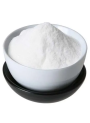
Vitamin C (L-ascorbic acid) (Fine)
Cosmetics
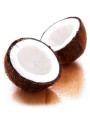
Fractionated Coconut Oil
Cosmetics
Coco Wash™ (PEG-7 Glyceryl Cocoate)
Cosmetics
White Egg Enzyme (Acnezyme™)
Cosmetics
Oxybenzone (Benzophenone-3)
Cosmetics

20nm Silver Pure™
Cosmetics