Lip Balm Formula Review and Ingredient Questions
Question
I would like to ask about making lip balm. I have the following formula and have questions about two ingredients, Sorbitan olivate and Stevia:
Lip Balm Formula:
- Sweet Almond Oil (10%)
- Jojoba Seed Oil (10%)
- Pomegranate Seed Oil (20%)
- Carnauba Wax (15%)
- Candelilla Wax (15%)
- Shea Butter (30%)
- Natural Vitamin E
- Sorbitan olivate
- Stevia
Could you please explain the function of Sorbitan olivate and Stevia in this formula and provide guidance on their usage?
Answer
Lip Balm Formula Review
Your proposed formula includes:
- Sweet Almond Oil (10%)
- Jojoba Seed Oil (10%)
- Pomegranate Seed Oil (20%)
- Carnauba Wax (15%)
- Candelilla Wax (15%)
- Shea Butter (30%)
- Natural Vitamin E
- Sorbitan olivate
- Stevia
The percentages for the oils, waxes, and butter add up to 100% (10+10+20+15+15+30 = 100%). Vitamin E, sorbitan olivate, and stevia would be added in addition to this base.
Regarding your questions about sorbitan olivate and stevia:
Sorbitan Olivate
Sorbitan olivate acts as an emulsifier or oil blender. Its purpose in this formula would be to help blend the different oils and butters together more smoothly and prevent separation, resulting in a better texture for the lip balm.
The staff recommends using Oil Blender (Polyglyceryl-3 Diisostearate) at a rate of 2% for this purpose. This ingredient is designed to help combine various oils and butters for a smooth texture, especially in waterless or low-water makeup formulas like lip balms.
Therefore, while sorbitan olivate could potentially serve a similar function, using Oil Blender at 2% is a recommended approach to improve the texture and stability of your lip balm.
Stevia
Stevia is a sweetener. Its inclusion would be solely to provide a slightly sweet taste to the lip balm.
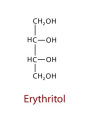
According to the staff, if you desire a sweet taste, you could use a sweetener like Erythritol as an alternative to stevia. However, if you do not want any sweetness in your lip balm, you can omit stevia (or any other sweetener) entirely from the formula.
Other Ingredients in Your Formula
- Sweet Almond Oil: Known for moisturizing and soothing properties, suitable for dry or irritated skin.
- Jojoba Seed Oil: Similar in structure to skin's natural oils, provides moisture without clogging pores, and is rich in Vitamin E.
- Pomegranate Seed Oil: High in antioxidants and fatty acids, helps fight free radicals, reduces wrinkles, and improves skin elasticity.
- Carnauba Wax: A hard wax with a high melting point (around 80°C), used to provide structure and stability to the lip balm, helping it maintain its shape, especially in warmer temperatures. Recommended usage is typically 1-10%. Your 15% usage, combined with Candelilla Wax, will result in a firm balm.
- Candelilla Wax: Softer than Carnauba wax but harder than Beeswax, helps add shine and contributes to the hardness of the balm. Recommended usage is typically 1-10%. Your 15% usage, combined with Carnauba Wax, will result in a firm balm.
- Shea Butter: An excellent moisturizer, helps restore damaged skin cells, improves circulation, and contains fatty acids beneficial for skin moisture and flexibility.
- Natural Vitamin E: Acts as an antioxidant, protecting the oils in your formula from going rancid and providing antioxidant benefits to the skin. Recommended usage is typically 0.1-1%.
Summary and Recommendations
Based on the staff's advice and the properties of the ingredients:
- Sorbitan Olivate: It is beneficial to include an ingredient to help blend the oils and waxes. The staff recommends Oil Blender at 2%. You can replace sorbitan olivate with Oil Blender at this suggested percentage.
- Stevia: This is optional. Include a sweetener like Erythritol if you want a sweet taste, or omit it if sweetness is not desired.
Your base formula (oils, waxes, butter) looks good in terms of percentages adding up to 100%. Adding Oil Blender at 2% will improve the texture. The amount of Vitamin E can be added according to its recommended usage rate (typically 0.1-1%).
Related Products Mentioned
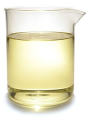
Vitamin E (Tocopheryl Acetate)
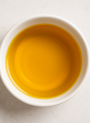
Jojoba Oil (Golden - Deodorized)
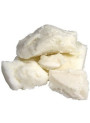
Shea Butter (Refined , Deodorised)
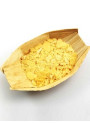
Carnauba Wax (Flake, Melting 80C)