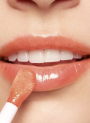
Lip Gloss Formulation Review
Asked by: waraitip18125
On: May 12, 2021
Product Type:
Cosmetics
Answered
Question
Please review the following ingredients for a lip gloss formulation and advise on any necessary adjustments: Polyglyceryl-2 isostearate/dimer dilinoleate copolymer, Diisostearyl Malate, Polyglyceryl-2 disostearate, Pentaerythrityl Tetraisostearate, Dextrin Palmitate, Coconut Oil, Lip Film HR, Lip Plumper, Vitamin.
Answer
Lip Gloss Formulation Review
Your ingredient list includes several components commonly used in lip glosses to provide shine, texture, and wear.
Ingredient Functions:
- Polyglyceryl-2 isostearate/dimer dilinoleate copolymer (Standard Gloss and Extra Gloss): These are excellent base polymers for lip gloss, providing high shine, comfortable feel, moisture retention, and long-lasting wear.
- Pentaerythrityl Tetraisostearate: This heavy ester contributes to gloss and helps the product adhere to the lips.
- Fractionated Coconut Oil: A lightweight emollient that provides a smooth, non-greasy feel and acts as a carrier oil.
- Lip Film HR: This film former enhances gloss and improves the durability and wear time of the lip gloss.
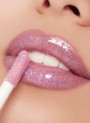
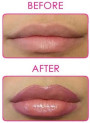
- InstantPlump™ (Lip Plumper): This active ingredient provides a temporary plumping effect by stimulating blood flow. It's important to use this within the recommended low percentage (typically 0.05-0.3%) to avoid irritation.
- Polyglyceryl-2 isostearate and Polyglyceryl-2 Diisostearate: While described as water-in-oil emulsifiers, they can also function as emollients or dispersants in an oil-based system, potentially influencing texture and pigment dispersion if you are adding color.
- Diisostearyl Malate: (Information based on general cosmetic knowledge, as specific product details were not found) This is a widely used emollient and pigment wetting agent in lip products, helping to disperse color evenly and provide a comfortable feel.
- Dextrin Palmitate: (Information based on general cosmetic knowledge, as specific product details were not found) This acts as an oil gellant, helping to thicken the oil phase and provide structure and stability to the lip gloss, preventing oil separation and improving texture.
- Vitamin: The specific function depends on the type of vitamin used (e.g., Vitamin E for antioxidant properties, Vitamin C derivatives for antioxidant and potential brightening effects).
Formulation Considerations:
The combination of these ingredients provides a good foundation for a glossy, long-wearing, and potentially plumping lip product.
- Texture and Viscosity: The balance between the emollient oils (Fractionated Coconut Oil, Pentaerythrityl Tetraisostearate, Diisostearyl Malate), the polymers (Polyglyceryl-2 isostearate/dimer dilinoleate copolymer, Lip Film HR), and the gellant (Dextrin Palmitate) will determine the final texture and viscosity of your lip gloss. You will need to experiment with the percentages to achieve the desired level of thickness, spreadability, and tackiness. Dextrin Palmitate is key for thickening and stability.
- Gloss and Wear: The polymers and Pentaerythrityl Tetraisostearate are primary contributors to gloss and wear. Lip Film HR will further enhance longevity.
- Plumping Effect: Carefully control the percentage of InstantPlump™ according to the supplier's recommendation to ensure effectiveness without causing excessive heat or irritation.
- Emulsifiers: The Polyglyceryl-2 isostearate and Polyglyceryl-2 Diisostearate might be included to help stabilize the formula, especially if incorporating any trace amounts of water or hydrophilic ingredients, or to aid in pigment dispersion.
- Vitamin: Ensure the vitamin is compatible with an oil-based system and used at an effective and safe concentration.
Recommendations:
- Specify the Vitamin: Please identify the specific vitamin you are using so its role and appropriate usage rate can be considered.
- Determine Percentages: The success of the formulation heavily relies on the percentage of each ingredient. Start with a base formula using recommended ranges for each ingredient type (e.g., polymers as the main base, emollients for feel, gellant for viscosity, film former for wear, active at recommended level).
- Experimentation: Prepare small batches with varying ratios to test the texture, shine, wear, and feel on the lips. Adjust percentages until you achieve your desired result.
- Stability Testing: Once you have a promising formula, conduct stability testing (e.g., storing at different temperatures) to ensure the ingredients remain well-mixed and the texture is stable over time.
Overall, your ingredient selection is appropriate for a lip gloss. Fine-tuning the percentages will be the key step to perfecting your formulation.
Related Products Mentioned
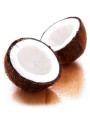
Fractionated Coconut Oil
Cosmetics
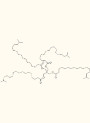
Pentaerythrityl Tetraisostearate
Cosmetics
Polyglyceryl-2 isostearate
Cosmetics
InstantPlump™ (Lip Plumper)
Cosmetics
Polyglyceryl-2 Diisostearate
Cosmetics