Makeup Wash, Micellar Technology, and Ingredient Comparison
Question
I would like to know: 1. What are the INCI names of the chemical substances in the [url=http://www.myskinrecipes.com/shop/%E0%B8%AA%E0%B8%B2%E0%B8%A3%E0%B8%A5%E0%B8%94%E0%B9%81%E0%B8%A3%E0%B8%87%E0%B8%95%E0%B8%B6%E0%B8%87%E0%B8%9C%E0%B8%B4%E0%B8%A7/373-peg-6-caprylic-capric-glycerides.html:90yqm9b1]Makeup wash[/url:90yqm9b1] sold by My skin recipe? 2. Which ingredients constitute a Micellar formulation? For example, is it Disodium Cocoamphodiacetate and [url=http://www.myskinrecipes.com/shop/%E0%B8%AA%E0%B8%B2%E0%B8%A3%E0%B8%A5%E0%B9%88%E0%B8%94%E0%B9%81%E0%B8%A3%E0%B8%87%E0%B8%95%E0%B8%B6%E0%B8%87%E0%B8%9C%E0%B8%B4%E0%B8%A7/1174-poloxamer-184.html:90yqm9b1]Poloxamer 184[/url:90yqm9b1], which have [url=http://www.myskinrecipes.com/shop/33-%E0%B8%AA%E0%B8%B2%E0%B8%A3%E0%B8%A5%E0%B9%88%E0%B8%94%E0%B9%81%E0%B8%A3%E0%B8%87%E0%B8%95%E0%B8%B6%E0%B8%87%E0%B8%9C%E0%B8%B4%E0%B8%A7:90yqm9b1]surfactant[/url:90yqm9b1] properties, mixed with moisturizing agents like [url=https://www.myskinrecipes.com/shop/%E0%B8%AA%E0%B9%88%E0%B8%A7%E0%B8%99%E0%B8%9B%E0%B8%A3%E0%B8%B0%E0%B8%81%E0%B8%AD%E0%B8%9A%E0%B9%80%E0%B8%84%E0%B8%A3%E0%B8%B7%E0%B9%88%E0%B8%AD%E0%B8%87%E0%B8%AA%E0%B8%B3%E0%B8%AD%E0%B8%B2%E0%B8%87%E0%B8%84%E0%B9%8C/143-glycerin-%E0%B8%81%E0%B8%A5%E0%B8%B5%E0%B9%80%E0%B8%8B%E0%B8%AD%E0%B8%A3%E0%B8%B5%E0%B8%99.html:90yqm9b1]Glycerin[/url:90yqm9b1]e instead of water? 3. What are the differences in properties and characteristics, such as color, between Disodium Cocoamphodiacetate and [url=http://www.myskinrecipes.com/shop/%E0%B8%AA%E0%B9%88%E0%B8%A7%E0%B8%99%E0%B8%9B%E0%B8%A3%E0%B8%B0%E0%B8%81%E0%B8%AD%E0%B8%9A%E0%B9%80%E0%B8%84%E0%B8%A3%E0%B8%B7%E0%B9%88%E0%B8%AD%E0%B8%87%E0%B8%AA%E0%B8%B3%E0%B8%AD%E0%B8%B2%E0%B8%87%E0%B8%84%E0%B9%8C/196-peg-7-glyceryl-cocoate.html:90yqm9b1]PEG-7 Glyceryl Cocoate[/url:90yqm9b1]? 4. Some products advertise using Micellar technology in their production; how does this technology work? Please provide guidance. Thank you.
Answer
Makeup Wash, Micellar Technology, and Ingredients
Based on the products available and the information provided:
1. INCI Name of "Makeup Wash"
The product you linked, "Makeup wash", is specifically MakeUp-Wash™ (PEG-6 Caprylic/Capric Glycerides). Its INCI (International Nomenclature of Cosmetic Ingredients) name is PEG-6 Caprylic/Capric Glycerides.
2. Micellar Formulation Components
Yes, your understanding is correct. Micellar formulas typically involve surfactants that form micelles in water, often combined with humectants to provide moisture.
- Disodium Cocoamphodiacetate and Poloxamer 184 are both surfactants commonly used in micellar cleansing water formulations.
- Disodium Cocoamphodiacetate is a mild amphoteric surfactant known for gentle cleansing and foaming.
- Poloxamer 184 is a non-ionic surfactant (specifically a High-HLB emulsifier) frequently used in cleansing water formulas, often combined with other poloxamers like Poloxamer 124 for makeup removal efficiency. It is known for being non-irritating to the eyes.
- Glycerin is a well-known humectant that attracts and retains moisture, helping to keep the skin hydrated. Including humectants like Glycerin in micellar water formulations helps to counteract any potential drying effect from the surfactants and leaves the skin feeling soft and comfortable.
Example formulations for products like MakeUp-Wash™ and Coco Wash™ often include an emollient like Glycerin or Butylene Glycol along with the surfactant and water.
3. Properties of Disodium Cocoamphodiacetate and PEG-7 Glyceryl Cocoate
Here's a comparison of the properties and characteristics of Disodium Cocoamphodiacetate and PEG-7 Glyceryl Cocoate:
-
- INCI Name: Disodium Cocoamphodiacetate
- Type: Mild, amphoteric surfactant derived from coconut oil.
- Properties: Gentle cleansing, mild foaming, conditioning effect, non-irritating, pH stable, biodegradable. Cleanses effectively without stripping natural oils.
- Appearance: Clear liquid.
- Use: Suitable for all types of skin cleansing products, especially for sensitive skin, baby products, shampoos, body washes, and facial cleansers.
PEG-7 Glyceryl Cocoate (Coco Wash™):
- INCI Name: PEG-7 Glyceryl Cocoate
- Type: Non-ionic surfactant from coconut oil.
- Properties: High level of gentleness, provides softness and smoothness to the skin, moisturizing (re-fatting effect). It has lower cleaning efficiency compared to general detergents and is particularly suitable for makeup remover formulations or adding moisturizing properties to other cleansers.
- Appearance: Light yellow liquid, has a coconut oil smell. The product description also notes it is "essentially orange" according to the picture.
- Use: Can be used in all cleaning products but is especially suitable for makeup removers or adding moisturizing/softening properties to general cleansers.
In summary, both are gentle surfactants derived from coconut, but Disodium Cocoamphodiacetate is an amphoteric surfactant with broader cleansing applications and clear appearance, while PEG-7 Glyceryl Cocoate is a non-ionic surfactant primarily valued for its extreme gentleness, moisturizing feel, and suitability for makeup removal, appearing as a light yellow/orange liquid.
4. Micellar Technology
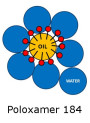
Micellar technology in cosmetic products, particularly in cleansing waters, refers to the use of surfactants that self-assemble into structures called micelles when dispersed in water at a certain concentration (above the Critical Micelle Concentration or CMC).
- What are Micelles? Micelles are tiny spherical structures formed by surfactant molecules. Surfactant molecules have a dual nature: a hydrophilic (water-loving) head and a hydrophobic (oil-loving) tail. In water, these molecules arrange themselves with their hydrophobic tails pointing inwards, away from the water, and their hydrophilic heads pointing outwards, in contact with the water.
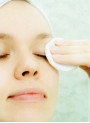
- How it Works: This structure allows micelles to effectively capture and suspend oily substances, dirt, and makeup. The hydrophobic core of the micelle attracts and traps oils and makeup residues from the skin, while the hydrophilic exterior allows the entire micelle (with the trapped dirt) to remain suspended in the water-based solution. When you wipe your face with a cotton pad soaked in micellar water, the micelles lift away the impurities without the need for harsh rubbing or rinsing.
- Benefits: Products using micellar technology are often advertised as gentle, effective at removing makeup and impurities without drying the skin, and requiring no rinsing, making them convenient for cleansing. The ability of micelles to "spread into the pores" (as mentioned in the MakeUp-Wash™ description) helps to thoroughly remove dirt and makeup lodged within the pores.
This technology provides an efficient yet gentle way to cleanse the skin, making it popular in makeup removers and no-rinse cleansers.
Related Products Mentioned
Glycerin (USP/Food Grade)
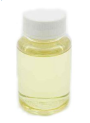
Coco Wash™ (PEG-7 Glyceryl Cocoate)