Melasma Cream Formulation Analysis and Mixing Guide
Question
I have the following formula: Water 84.2%, Vitamin B3 5%, Disodium EDTA 0.2%, Raffinose 1%, Active Protec ox 0.6%, Pro Polymer 1%, Activated Resorcinol 1%, Kojic Acid 3%, Jojoba Oil 3%, Preservative 1%. Can this formula be made into a melasma reduction cream? What ingredients should be added or removed for better melasma reduction results? What is the recommended mixing method?
Answer
Melasma Reduction Cream Formulation Analysis
Thank you for sharing your formula. It contains several effective ingredients commonly used in melasma and skin brightening products, such as Niacinamide, Activated Resorcinol, and Kojic Acid Dipalmitate. This combination targets pigmentation through different mechanisms, which is a good approach for addressing melasma.
Formula Assessment and Recommendations
Active Ingredients: The core active ingredients (Niacinamide, Activated Resorcinol, Kojic Acid Dipalmitate) are well-chosen for melasma. However, the concentration of Kojic Acid Dipalmitate at 3% is on the higher side of the typical recommended range (1-5%) and, combined with 1% Activated Resorcinol (the maximum for leave-on products), might increase the risk of skin irritation, especially for sensitive skin. You might consider starting with a slightly lower concentration of Kojic Acid Dipalmitate (e.g., 1-2%) if you are concerned about irritation, or ensure you include soothing ingredients.
Texture (Cream vs. Gel): Your current formula includes Pro Polymer as a gel maker and Jojoba Oil, but it lacks an emulsifier. An emulsifier is essential to create a stable cream texture, which is an emulsion of oil and water phases. Without an emulsifier, the oil (Jojoba Oil) and water/gel phases will likely separate over time. To make a stable cream, you must add an appropriate O/W (oil-in-water) emulsifier to the formula.
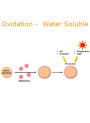
Active Protec: Your formula lists "Active Protec ox" but the link provided points to "Active Protec UV". While Active Protec UV offers UV protection and antioxidant benefits, the description for Activated Resorcinol specifically recommends using ActiveProtec™ OX at 0.6% to prevent discoloration of the Activated Resorcinol. It would be beneficial to use ActiveProtec™ OX if your primary goal is to stabilize the Activated Resorcinol and prevent color changes.
Total Percentage: The sum of the percentages in your formula is 101%. You will need to adjust the percentages slightly so that the total adds up to exactly 100%.
Preservative: The formula includes 1% preservative, but the specific type is not mentioned. Ensure the preservative you choose is compatible with the other ingredients and effective within the final pH range of your product.
pH Level: The efficacy and stability of your active ingredients depend on the pH. Activated Resorcinol works best around pH 4.5-5.5. Niacinamide is stable between pH 3-8 (optimally 4-7). Kojic Acid Dipalmitate is stable between pH 3-9. Active Protec OX requires a pH above 4. You should aim to adjust the final product pH to a range that balances the needs of all active ingredients, ideally around pH 4.5-5.5, after all ingredients are mixed.
How to Mix (To Make a Stable Cream)
To create a stable cream (emulsion), you will need to add an emulsifier and follow a standard emulsification process. Here is a general method:
- Prepare the Water Phase: Combine Water, Disodium EDTA, Niacinamide, Raffinose, Pro Polymer, and Active Protec (preferably OX for stability) in a beaker. Heat this phase to the required temperature for your chosen emulsifier (often around 70-80°C).
- Prepare the Oil Phase: In a separate beaker, combine Jojoba Oil, Activated Resorcinol, Kojic Acid Dipalmitate, and your chosen Emulsifier. Heat this phase to the same temperature as the water phase (70-80°C) and stir to ensure solids like Kojic Acid Dipalmitate and Activated Resorcinol are fully dissolved.
- Emulsification: Slowly add the heated oil phase to the heated water phase while stirring continuously with a high-shear mixer (like a stick blender or homogenizer) for several minutes to form the emulsion. Alternatively, you can add the water phase to the oil phase, depending on the emulsifier instructions.
- Cooling: Switch to a slower stirring speed and continue stirring while the mixture cools down to below 40°C.
- Add Heat-Sensitive Ingredients: Once cooled, add your preservative and any other heat-sensitive ingredients.
- Adjust pH: Check the pH of the cream and adjust it to the desired range (e.g., 4.5-5.5) using a suitable acid or base solution.
- Final Mixing: Stir gently until homogeneous.
Remember that the specific mixing method can vary slightly depending on the type of emulsifier and preservative used. Always follow the supplier's instructions for each ingredient.
By adding an emulsifier and potentially switching to ActiveProtec™ OX, you can create a more stable and effective melasma reduction cream from your formula.
Related Products Mentioned
Safe-B3™ (Vitamin B3, Niacinamide)
Jojoba Oil (Golden - Deodorized)
Kojic Acid Dipalmitate
Disodium EDTA
Pro Polymer™ (Gel Maker)
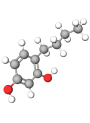

Raffinose
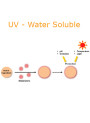
ActiveProtec™ UV