Mild Surfactant Systems for Pre-Wash Scalp Cleansing Shampoo
Question
Can you recommend mild yet efficient surfactants or surfactant systems for a pre-wash scalp cleansing shampoo?
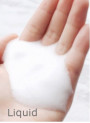
The product will be a liquid solution, applied directly to a dry scalp via an applicator, massaged, and then rinsed before a regular wash.
Primary Goals:
- Effective and thorough scalp cleansing.
- High tolerability with minimal drying.
- Pleasant foaming during massage and rinsing, despite being applied to a dry scalp.
- Compatibility with low-viscosity, high-water systems.
- Suitable for frequent/regular use.
I am interested in individual surfactants or synergistic blends from your portfolio that provide good cleansing without compromising scalp comfort. Please include:
- Preliminary formulation concepts or example formulations using the suggested ingredients.
- Optimal use levels.
- Formulation tips.
Answer
For a pre-wash scalp cleansing shampoo designed for dry application and frequent use, the surfactant system must prioritize high sebum-solubilizing efficiency and rapid flash-foaming (upon rinsing) while maintaining extreme mildness to prevent scalp irritation or dryness.
Below are the recommended surfactants and synergistic systems from our portfolio, followed by a formulation concept.
Recommended Surfactants
Amino Acid-Based Surfactants (Glutamates & Taurates)
- Gluta-Clean™ (Disodium Cocoyl Glutamate): An exceptionally mild anionic surfactant that provides excellent foam and a clear appearance. It is ideal for sensitive scalps and frequent use.
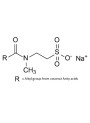
- Sodium Methyl Cocoyl Taurate (90%, Solid): Known for its ability to maintain high foaming performance even in the presence of sebum (oil), making it perfect for a pre-wash applied to a dry, oily scalp.
- AminoWash™ (Sodium Lauroyl Glutamate, Fine): Provides a soft, smooth skin feel and delicate foam. It is highly tolerable and helps maintain the scalp's natural moisture barrier.
Conditioning & Boosting Surfactants
- Cond-Foam™ (Sodium Lauroyl Sarcosinate, Liquid): Offers a unique "conditioning" effect while cleansing. It helps the hair feel less "stripped" after the pre-wash and works synergistically with other surfactants to boost foam at pH 5.0–6.0.
- Cocamidopropyl Betaine: An amphoteric secondary surfactant that reduces the irritation potential of the overall system and stabilizes the foam.
Natural Non-Ionic Cleansers
- Decyl Glucoside: A plant-derived, very mild cleanser that helps remove product buildup without irritating the scalp.
Synergistic Surfactant Systems
For a low-viscosity liquid pre-wash, a blend of Anionic (Glutamate/Taurate) + Amphoteric (Betaine) is recommended. This combination ensures thorough cleansing of sebum while remaining gentle enough for the scalp's delicate skin.
Recommended Ratio:
- Primary (Glutamate/Taurate): 60–70% of the surfactant blend.
- Secondary (Betaine/Sarcosinate): 30–40% of the surfactant blend.
Example Formulation: "Gentle Scalp Detox Pre-Wash" (Liquid)
This formulation is designed to be a clear, water-like liquid suitable for applicator bottles.
| Phase | Ingredient | % Weight | Function |
|---|---|---|---|
| A | Water | 70.0 - 80.0 | Solvent |
| A | Gluta-Clean™ | 10.0 - 15.0 | Primary Mild Cleanser |
| A | Cond-Foam™ | 5.0 - 8.0 | Conditioning Cleanser |
| A | Cocamidopropyl Betaine | 3.0 - 5.0 | Foam Stabilizer / Mildness |
| B | Humectants (e.g., Glycerin) | 2.0 - 3.0 | Scalp Hydration |
| B | Preservative | 1.0 | Preservation |
| B | Citric Acid | q.s. | pH Adjuster (Target 5.5) |
Formulation & Application Tips
- pH Optimization: For scalp health and optimal performance of Cond-Foam™, adjust the final pH to 5.5–6.0. Use Citric Acid for this adjustment.
- Low Viscosity Management: Since this is a liquid solution for an applicator, avoid heavy thickeners. If a slight "body" is needed to prevent the product from running into the eyes, a very small amount (0.1–0.2%) of Xanthan Gum can be used without making it a thick gel.
- Dry Scalp Application: Because the product is applied to dry hair/scalp, the surfactants will interact directly with sebum. The high water content in the formula helps the surfactants spread easily during the massage.
- Chelating Agents: It is highly recommended to add 0.1% Disodium EDTA to the water phase, especially when using AminoWash™, to prevent precipitation and ensure clarity.
- Clarity: To keep the formula crystal clear, ensure all surfactants are fully dissolved at room temperature. If using solid surfactants like Sodium Methyl Cocoyl Taurate, gentle heating (approx. 60°C) may be required during mixing.
Related Products Mentioned
Citric Acid (Monohydrate, Natural)
Cocamidopropyl Betaine
Gluta-Clean™ (Disodium Cocoyl Glutamate)