Modern Luxury Long-Lasting Moisturizing Bullet Lipstick Formulation
Asked by: carolinegadsden
On: May 13, 2026
Product Type:
Cosmetics
Answered
Question
Will you help me formulate a luxy lipstick with luxury esters?
I would like to make a modern luxury lipstick which is long lasting, matte (but not too matte) but moisturising. I want it to feel luxurious. I have a number of ingredients, but i want to know from a starting point what someone would suggest.
Here are my ingredients:
- BDPA-2 (Vegan Lanolin)
- Diisostearyl Malate
- Hydrogenated Polyisobutene
- Olive Squalane
- Isododecane
- Jojoba Oil
- Castor Oil
- Sweet Almond Oil
- Lanolin (natural)
- Beeswax
- Candelilla Wax
- Carnauba Wax
- Murumuru Butter
- Illipe Butter
- Shea Butter
- Cocoa Butter
- Trimethylsiloxysilicate (Flake Resin)
- Silica Microspheres
- Magnesium Stearate
- Red 7 Lake
- Red 27 Lake
- Blue Lake
- Iron Oxides
- Titanium Dioxide
- Synthetic Fluorphlogopite
- Micas (various)
- Flavour Oils
- Vitamin E
- Versagel ME 750
- Isopropyl Alcohol
- Tridecyl Trimellitate (TDTM)
- Lecithin
- Dimethicone
- Dimethicone Crosspolymer
- Polyamide-3
- Isostearyl Neopentanoate
- Diisopropyl Sebacate
- C12-15 Alkyl Benzoate
- Triisostearyl Citrate
- microcrystalline wax
I want to make a bullet lipstick.
Answer
To create a modern luxury bullet lipstick that balances long-wear performance with a moisturizing, semi-matte finish, the formulation must focus on a precise wax-to-oil ratio and effective pigment dispersion. A luxury feel is achieved through "cushion" emollients that provide glide without excessive greasiness.
1. Structuring the Bullet (The Wax Phase)
A stable lipstick bullet typically requires a total wax content of 18–20%. Using a single wax often leads to brittleness or sweating.
- Beeswax Base: Natural White Beeswax (USA, Melting 62C, Deodorized) provides a soft, creamy texture but should not be used alone. It should make up about 35–45% of your total wax phase.
- Structural Support: Combine it with Microcrystalline Wax (20–30% of the wax phase) to improve flexibility, prevent cracking, and ensure a smooth mold release.
- Hardness & Glide: Use Candelilla Wax (20–30% of the wax phase) for shine and Carnauba Wax (5–10% of the wax phase) as a high-melting point booster to prevent the stick from softening in heat. Avoid overusing Carnauba, as it can make the bullet draggy or brittle.
2. Long-Wear & Matte Finish
To achieve a "matte but not too matte" look that stays on the lips:
- Film Former: Silicone Film (Powder, Hard Film, Comfort-Wear) (Trimethylsiloxysilicate) provides transfer resistance. Start at 3–6%. If transfer resistance is too weak during testing, increase this gradually by 1–2%.
- Volatile Carrier: Isododecane (Germany) helps the film former set quickly. Use at 6–12%.
- Texture Modifiers: MatteSilica 5™ (5 Micron) and Magnesium Stearate provide the soft-focus matte effect. Use 1–2.5% of the silica and 1–3% of the magnesium stearate. Overloading these can make the lipstick feel chalky or dry.
3. Moisturizing & Sensory Profile
Balance the long-wear system with high-quality emollients:
- Cushion & Glide: Use Castor oil as the primary pigment carrier. Add LipidSoft™ Lanolin (Vegan Lanolin) or Lanolin (Sheep Wool Grease, Anhydrous, Deodorized) for "stickiness" and moisture.
- Luxury Feel: Incorporate Jojoba Oil (Golden - Deodorized) and Squalane (Olive) for their skin-identical properties. Hydrogenated Polyisobutene Gel (Thixotropic, e.q. Versagel ME750) adds a luxurious, thick cushion.
- Solubilizing: LipidSoft™ C1215 (C12-15 alkyl benzoate) or LipidSoft™ DS (Diisopropyl Sebacate) can improve the solubility of ingredients and enhance the overall smoothness.
4. Pigment Dispersion
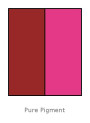
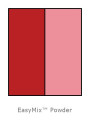
Pigments like D&C Red No.7 Lake, D&C Red No.27 Lake EasyMix™, and Titanium Dioxide 250nm Pigment (Non-Treated) do not dissolve; they must be dispersed.
- Pre-milling: Mix pigments with a high-wetting oil (like Castor Oil or LipidSoft™ C1215). Use a three-roll mill or intensive mixing until the paste is perfectly smooth with no visible specks.
- Texture Powders: Only add MatteSilica 5™ and Magnesium Stearate after the primary pigment dispersion is smooth. Pre-wet these powders with a small portion of the oil phase before adding them to the main batch to avoid agglomerates.
5. Recommended Process (Trial Starting Point)
- Phase A (Waxes): Melt the waxes (Beeswax, Candelilla, Carnauba, Microcrystalline) at approximately 80–85°C.
- Phase B (Oils & Butters): Add the stable oils (Castor, Jojoba, Squalane), butters (Cocoa Butter), and esters. Maintain heat until uniform.
- Phase C (Color): Incorporate the pre-dispersed pigment paste and micas (Synthetic Fluorphlogopite).
- Phase D (Texture): Add the pre-wetted MatteSilica 5™ and Magnesium Stearate.
- Phase E (Volatiles & Actives): Cool to ~70°C, then add Isododecane (Germany) and the Silicone Film (pre-dissolved in isododecane if possible). Add Vitamin E (dl-alpha tocopherol) and flavor oils. Keep the vessel covered to prevent evaporation.
- Molding: Pour into pre-warmed molds and cool slowly to prevent internal stress and cracking.
6. Quality & Stability Checks
- Legal Check: Before finalizing, verify that every pigment (e.g., Red 7, Red 27) is approved for lip use in your target market (FDA, EU, ASEAN, etc.) at your intended concentration.
- Stability: Perform a "drop test" for break strength and check for "sweating" (oil beads on the surface) after 24–72 hours at 45°C.
- Sensory: If the bullet feels too dry, reduce the isododecane/film-former system or increase the LipidSoft™ Lanolin.
Relevant References
Sources supporting the key technical claims in this answer
Butler, Poucher's Perfumes, Cosmetics and Soaps, 10th ed., Springer, 2000: lipstick formulation principles, wax/oil balance, pigment dispersion, and stick hardness considerations.
Mitsui, New Cosmetic Science, Elsevier, 1997: cosmetic powders, pigment dispersion, oils, waxes, and make-up product design.
Swarbrick, J., Encyclopedia of Pharmaceutical Technology, 3rd ed., Informa Healthcare, 2007: general dispersion and particle deagglomeration principles relevant to insoluble powders in semisolid systems.
Related Products Mentioned
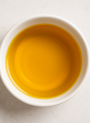
Jojoba Oil (Golden - Deodorized)
Cosmetics
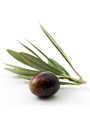
Squalane (Olive)
Cosmetics
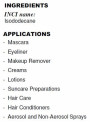
Isododecane (Germany)
Cosmetics
Magnesium Stearate
Cosmetics
D&C Red No.7 Lake
Cosmetics
MatteSilica 5™ (5 Micron)
Cosmetics
LipidSoft™ Lanolin
Cosmetics

LipidSoft™ DS (Diisopropyl Sebacate)
Cosmetics
Vitamin E (dl-alpha tocopherol)
Cosmetics
D&C Red No.27 Lake EasyMix™ (India)
Cosmetics
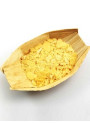
Carnauba Wax (Flake, Melting 80C)
Cosmetics
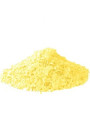
Candelilla Wax (Refined, Melting 70C)
Cosmetics
LipidSoft™ Film (Tridecyl Trimellitate )
Cosmetics
Shea Butter (Refined , Deodorised)
Cosmetics