Oil-Soluble Whitening Ingredients for Lip Balm
Question
I am making a lip balm to help with dark lips. I understand that Perfect-C (Ascorbyl Tetraisopalmitate) and MSH White™ (Undecylenoyl phenylalanine) are oil-soluble whitening ingredients. Are these suitable, and are there any other oil-soluble whitening ingredients I can use? Which one is the most effective for this application?
Answer
Oil-Soluble Whitening Ingredients for Lip Balm
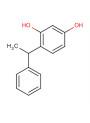
For creating a lip balm to address dark lips using oil-soluble whitening ingredients, you are correct that Perfect-C (Ascorbyl Tetraisopalmitate) and MSH White™ (Undecylenoyl phenylalanine) are suitable options. Additionally, Phenylethyl Resorcinol (also known as SymWhite 377) is another highly effective oil-soluble whitening agent that can be used.
Here is a comparison and recommended usage for each:
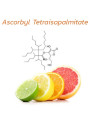
Perfect-C™ (Ascorbyl Tetraisopalmitate)
- Mechanism: This is an oil-soluble form of Vitamin C that is highly stable and absorbs well into the skin. It works by inhibiting melanin production and also offers antioxidant and collagen-stimulating benefits.
- Efficacy: Licensed as a functional ingredient for skin whitening in Korea at 2% and a quasi-drug in Japan at 3%.
- Recommended Usage: 1-10%, with 5% being a common recommendation. Whitening effects are typically seen at concentrations of 2% or more.
MSH White™ (Undecylenoyl phenylalanine)
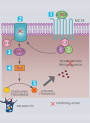
- Mechanism: Works by reducing Alpha-MSH, a hormone that stimulates melanin production. It is particularly noted for its effectiveness on age spots and dark spots.
- Efficacy: Can significantly increase whitening efficiency, especially when used in combination with other whitening agents like Vitamin C or Vitamin B3.
- Recommended Usage: 0.5-2%.
- Note: Requires heat (80°C in oil, 60°C in alcohol) to dissolve.
Phenylethyl Resorcinol (e.q. SymWhite 377)
- Mechanism: A potent tyrosinase inhibitor, which is the key enzyme in melanin production. It is considered very effective and safe.
- Efficacy: Shown in experiments to be highly effective at reducing pigmentation and also provides antioxidant benefits.
- Recommended Usage: 0.1-1.0%, with 0.5% recommended for leave-on products.
- Note: Dissolves in oil and should be added in the final step of formulation, ideally with gentle heating (under 50°C) to help it melt.
Which is more effective?
All three ingredients are effective whitening agents with different mechanisms. Phenylethyl Resorcinol is often highlighted for its strong tyrosinase inhibition at low concentrations. Perfect-C is a stable, well-absorbed Vitamin C derivative with broader benefits (antioxidant, collagen). MSH White™ targets the Alpha-MSH pathway and works well synergistically. The "best" choice can depend on the specific formulation goals and desired mechanism of action. Using a combination of ingredients with different mechanisms can sometimes yield better results.
Regarding the staff reply, they suggested using Water Balm if you wanted to incorporate water-soluble whitening ingredients (like those mentioned in the link). However, since you are focusing on an oil-based lip balm, oil-soluble ingredients like Perfect-C, MSH White™, and Phenylethyl Resorcinol are the appropriate choices.
To see results, it is important to use the recommended concentrations consistently over time. Results may vary depending on the individual and the severity of the dark lips.
Related Products Mentioned
MSH White™ (Undecylenoyl phenylalanine)