Physical Anti-Pollution Sunscreen Formulation for Sensitive Skin
Question
Could you please recommend a formula for an anti-pollution sunscreen (PM 2.5 and dust/smoke pollution)? I would like it to have the following properties:
- Protect the skin from both UVA-UVB radiation with SPF50+ PA+++.
- Be a physical sunscreen, which is highly stable and contains fewer chemical components than chemical sunscreen, thus reducing the chance of allergic reactions for those with weak, sensitive skin.
- Contain ingredients that help with anti adhesion to reduce the adherence of pollution on the skin (e.g., Ectoin, Fucus Film™).
- Contain ingredients that act as a skin barrier, such as Cica, Ceramide, and Niacinamide, which strengthen the outer skin layer and reduce the chance of irritation from pollution.
- Contain moisturizer ingredients to help keep the skin hydrated, as dry skin is prone to itching and irritation.
- Be free from ingredients that can cause allergies, such as น้ำหอม, paraben, colorants, and artificial scents.
Also, I would like to know the price for producing a 50ml quantity.
Answer
Physical Sunscreen Formulation for Anti-Pollution and Skin Barrier Support
Creating a physical sunscreen with SPF50+ PA+++ that also protects against pollution, strengthens the skin barrier, and is suitable for sensitive skin involves selecting specific ingredients. Here's a breakdown of key components based on your requirements:
Core Sunscreen Actives
For a physical sunscreen, the primary active ingredients are Zinc Oxide and Titanium Dioxide. These minerals provide broad-spectrum protection against both UVA and UVB rays by physically blocking them. Achieving SPF50+ PA+++ requires careful formulation with appropriate concentrations and particle sizes of these ingredients.
Anti-Pollution and Anti-Adhesion
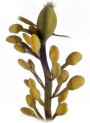
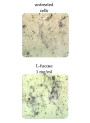
To help protect the skin from environmental pollutants like PM 2.5 and dust, ingredients with anti-adhesion properties are beneficial. Ectoine is known for its cell-protective and anti-pollution effects, helping to shield skin cells from environmental stress. Extracts from marine seaweed, such as Ascophyllum Nodosum Extract (containing Fucoidan and Fucose) and FucoCell (L-Fucose), can also contribute to protecting the skin from external aggressors and supporting skin health.
Skin Barrier Strengthening
Ingredients that support and repair the skin barrier are crucial for sensitive skin and for enhancing resilience against pollution.
- Niacinamide (Vitamin B3), like Safe-B3, helps strengthen the skin barrier, reduce redness, improve skin texture, and can help reduce oiliness.
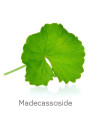
- Centella Asiatica Extract (Cica), such as Pure-TECA CICA or Centella Asiatica Extract (Madecassoside 90%), is well-regarded for its anti-inflammatory and skin-healing properties, helping to soothe irritation and support collagen production.
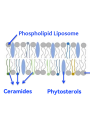
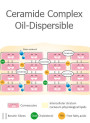
- Ceramides, available in various forms like Ceramide Complex, Cerasoft, or Ceracare Liposome-3, are essential lipids that make up the skin barrier. Supplementing ceramides helps restore the barrier function, improve moisture retention, and reduce sensitivity.
Moisturizing Components
To ensure the sunscreen is hydrating and prevents dryness and irritation, incorporating effective moisturizers is important. This includes humectants that draw water into the skin and emollients that smooth and soften the skin surface.
Allergen-Free Formulation
As requested, the formulation should be free from common irritants such as fragrance, parabens, colorants, and artificial scents to minimize the risk of allergic reactions, especially for sensitive skin.
Note on Formulation and Cost
Creating a stable and effective sunscreen formulation with the desired SPF and PA rating, along with incorporating these beneficial ingredients, requires expertise in cosmetic chemistry. The exact percentages of ingredients and the specific formulation process will significantly impact the final product's performance, texture, and stability.
Regarding the cost for a 50ml product, it is not possible to provide an accurate estimate without a precise formula, the specific grades and suppliers of each ingredient, manufacturing costs, packaging, and other overheads. The cost of raw materials can vary widely depending on purity, source, and quantity purchased.
This information provides a guide to the types of ingredients you would include in such a physical sunscreen formulation focused on anti-pollution and skin barrier support for sensitive skin.
Related Products Mentioned
Safe-B3™ (Vitamin B3, Niacinamide)
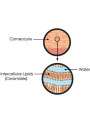
Cerasoft™ (Synthetic Ceramide)
Ectoine (Ectoin, from Bio-fermentation)
Titanium Dioxide Nanosil

Zinc Oxide 40nm Dispersion (Water Base)