Pressed Powder Foundation Formulation: Texture, Oil Control, Radiance
Question
I would like to inquire about the ingredients and method for making a pressed powder foundation that has a fine, smooth texture, is soft, provides good oil control, applies smoothly, gives a radiant ("ผ่อง") and bouncy ("เด้ง") finish, similar to or like the famous brand's powder, Laura mercier Foundation powder.
Answer
Pressed Powder Foundation Formulation Insights
To create a pressed powder foundation with a fine, soft texture, good oil control, smooth application, radiance, and a bouncy feel, similar to high-end brands, you would typically combine several types of powder ingredients and binders. While providing an exact formulation and manufacturing method is complex and requires laboratory work, here are key ingredient types and specific products from our catalog that can help you achieve these properties:
Key Ingredient Types and Relevant Products:
Powder Bases: These form the bulk of the foundation. Ready-made bases can simplify the process.
- Compact Powder Foundation Base (various shades): These are pre-mixed bases (e.g., Product IDs 31048, 31049) that already contain foundation pigments and powders suitable for pressing. They offer a soft touch and good coverage without feeling heavy.
Texture Enhancers & Oil Control: These powders are crucial for achieving the desired feel, smoothness, and oil absorption.
- Sericite Powder (CompactPro™, Matte, Dimethicone Coated) (33905): A coated sericite that provides a silky, smooth feel and helps the powder spread evenly.
- MatteSilica 5™ (5 Micron) (518): A porous silica powder excellent for absorbing excess oil, providing a matte finish without dryness, and improving slip.
- SiliSilk™ 1.5Micron (Silky Touch, Soft-Focus) (7899): A very fine silicone powder that imparts exceptional softness and smoothness, contributing to a "silky" feel and a soft-focus effect.
- Mica Powder (13 Micron, Matte, Silane Coated) (10022): Coated mica that adds softness, lightness, and helps with natural coverage and smooth application.
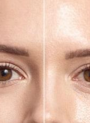
- UltraBlur™ (Skin Blurring Silica) (31047): A specialized silica for superior skin blurring, helping to create a smooth, even appearance.
- AllSlip-P™ (Slip Powder) (5957): A powder designed specifically to enhance the slip and spreadability of formulations.
Radiance/Luminosity: Ingredients that add a subtle glow.
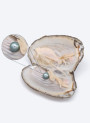
- Pearl Powder (Pure, Fine, 200 Mesh) (30447): Provides a natural brightening effect and refines powder texture.
Binders: These are essential for pressing loose powder into a compact form and helping it adhere to the skin.
- Isopropyl Myristate (Deodorized) (3448): A common emollient and binder used in pressed powders to help the powder particles adhere and improve spreadability.
- Oil-Fix™ W (Oil/Silicone, Silica Dimethyl Silylate) (1136): Can help disperse pigments and adjust texture, potentially contributing to waterproofness and a matte finish.
Formulation Approach (General Guidance):
A typical pressed powder foundation formula involves mixing various powders with a small amount of liquid binder. The exact percentages are critical and require experimentation.
- Combine Powders: Mix the main powder base (like the Compact Powder Foundation Base) with texture enhancers (Sericite, Silica, Mica, SiliSilk, UltraBlur, AllSlip-P) and radiance enhancers (Pearl Powder). The ratio of these powders will determine the final texture, oil control, coverage, and finish.
- Add Pigments (if not using a pre-colored base): If starting from scratch or adjusting color, add cosmetic-grade pigments like Iron Oxides (31279, 31281) and Titanium Dioxide.
- Incorporate Binder: Gradually add a liquid binder (like Isopropyl Myristate or a blend including Oil-Fix™ W) to the powder mixture. The amount of binder is crucial – too little results in a fragile cake, too much makes it hard and difficult to pick up with a brush/puff. The mixture should feel slightly damp but still powdery.
- Milling/Grinding: The powder mixture often needs to be finely ground or milled after adding the binder to ensure uniform particle size and even distribution of ingredients and pigments. This step is key to achieving a smooth, fine texture.
- Pressing: The prepared mixture is then placed into a pan and pressed under high pressure to form the compact cake.
Achieving a texture and performance comparable to a specific high-end product like Laura Mercier requires significant expertise in powder technology, precise control over raw material quality, particle size, mixing, milling, and pressing parameters. Using a pre-made base like the Compact Powder Foundation Base and adjusting with specific functional powders is a more accessible approach for achieving desired properties.
Remember that any cosmetic product intended for sale requires proper testing and regulatory compliance.
Related Products Mentioned
MatteSilica 5™ (5 Micron)
Isopropyl Myristate (Deodorized)
Pearl Powder (Pure, Fine, 200 Mesh)
UltraBlur™ (Skin Blurring Silica)


Iron Oxides Red (FoundationPro™)