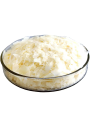
Questions about Natural Emulsifier in Scrub Formulation and Equipment Cleaning
Question
I am planning to make a scrub using the following formula:
- Natural Emulsifier (Emulvama AGC)
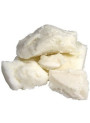
- shea butter
- Liquid Oil (Hazelnut, Apricot or Sweet Almond)
- Sugar or Salt
- Natural Fragrance or Essential Oil Blend
- Mica Powder q.s.
The formula includes a Natural Emulsifier. I have a few questions:
- What is the function of the Natural Emulsifier? How does including or excluding it affect the formula?
- If I need to include it, which ingredients can be used as alternatives for Emulvama AGC, as I cannot find it on the website? I see many other emulsifiers but am unsure which one is suitable.
- When mixing the formula, how should equipment be cleaned and sterilized? Should I use Alcohol or regular dish soap?
Answer
Understanding Emulsifiers in Scrubs and Alternatives
Hello! It's great you're making your own scrub. Let's break down your questions about the formula.
1. What does a Natural Emulsifier do in a scrub? How does including or excluding it affect the formula?
An emulsifier is a substance that helps oil and water mix together and stay mixed. In a scrub formula that contains both oils (like shea butter and liquid oils) and potentially some water (from rinsing), a natural emulsifier like the one in your formula serves several key purposes:
- Binding: It helps bind the oil phase and the scrub particles (sugar or salt) together, creating a more stable and consistent texture.
- Rinse-off: This is a major benefit in a scrub. When you use a scrub without an emulsifier, the oils tend to stay on the skin and are difficult to rinse off cleanly, leaving a greasy residue. An emulsifier allows the oils and scrub particles to mix with water during rinsing, making the product wash off easily and leaving the skin feeling soft but not overly oily.
- Texture: It can contribute to a creamier, more pleasant texture for the scrub.
In summary: Including an emulsifier makes the scrub easier to use and rinse off, resulting in a less greasy feel on the skin after washing. Excluding it would likely result in a scrub that separates and leaves a heavy, oily residue that is hard to wash away with just water.
2. Which ingredients can replace Emulvama AGC?
Since Emulvama AGC is not available, you can look for other natural emulsifiers suitable for oil-based or oil-heavy formulations like a scrub. Based on available options, here are a few potential alternatives you could consider:
- LeciCream™ (Natural Emulsifier / Cream Maker): This is a natural emulsifier made from Hydrogenated Lecithin. It's a powder that is spread in the oil phase. It is suitable for binding oils.
- Emulsifying Beeswax (Non-Ionic, Natural): This is a natural emulsifier derived from beeswax. It acts as both an emulsifier and a thickener and is dissolved in the oil phase. It's considered 100% natural and can help coat the skin well.
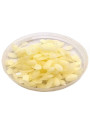
- Sucrose Cream Maker™: A 100% natural-based, nonionic emulsifier in pellet form. It is mixed into the oil phase using heat. It provides a light, non-oily, silky skinfeel and helps create stable emulsions.
When choosing a replacement, consider the recommended usage rate and mixing method for each ingredient to ensure it fits your formula and process.
3. How should equipment be cleaned and sterilized?
Proper cleaning and sterilization of your equipment are crucial for preventing bacterial or fungal growth in your homemade cosmetics. Using just dish soap is good for cleaning off residue, but it doesn't effectively sterilize.
Here's a recommended process:
- Clean: Wash all your equipment thoroughly with soap and water to remove any physical residue.
- Rinse: Rinse everything completely with clean water to remove soap residue.
- Sterilize: After cleaning and rinsing, sterilize your equipment. A common method for home cosmetic making is to use Alcohol (specifically Isopropyl Alcohol, ideally around 70% concentration). You can spray or wipe down surfaces, containers, and tools that will come into contact with your ingredients or final product. Allow the alcohol to air dry completely before use. The alcohol evaporates, leaving the surface sterilized.
Using alcohol after cleaning helps kill bacteria, mold, and fungi that could contaminate your scrub and cause it to spoil or be unsafe to use.
Hope this helps you create your scrub successfully!