Recreating a Foreign Makeup Remover Cream Formula for Dry, Sensitive Skin
Question
I have a foreign brand makeup remover cream with the following ingredients. My skin is dry and sensitive, and this cream works very well for me because it cleanses effectively without drying or irritating my skin. I would like to create a similar formula myself using ingredients available on My Skin Recipes. Could you please advise which ingredients I need to purchase from your website and how to mix them? For ingredients not available on your website, please recommend suitable alternatives.
Ingredients:
- Aqua
- Brassica Campestris Seed Oil
- Isohexadecane
- Methylpropanediol
- Glycerin
- Sorbitan Stearate
- Ceteth-20
- Cetyl Alcohol
- Centaurea Cyanus Flower water
- Phenoxyethanol
- Carbomer
- Parfum
- Sorbic Acid
- Sodium Hydroxide
- Tocopheryl Acetate
- Inositol
- Acacia Senegal Gum
- Tetrasodium EDTA
- Sodium Benzoate
- Mesembryanthemum Crystallinum Extract
- Citric Acid
- Potassium Sorbate
- Tocopherol
Answer
Recreating Your Favorite Makeup Remover Cream
Based on the ingredients you provided, here are the components available on My Skin Recipes and suggestions for those that are not, along with a general guide on how to create a similar makeup remover cream suitable for dry, sensitive skin.
Ingredients Available on My Skin Recipes
Many of the ingredients in your favorite makeup remover cream are available:
Water Phase:
- Aqua (Water) - Standard purified water can be used.
- Methylpropanediol (Product ID: 33285) - Acts as a solvent and humectant.
- Glycerin (Product ID: 143) - A humectant to draw moisture to the skin.
- Acacia Senegal Gum (Product ID: 6966) - Used as a thickener and stabilizer.
- Tetrasodium EDTA (Product ID: 8445) - A chelating agent to improve stability.
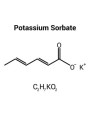
- Sodium Benzoate (Product ID: 851) and Potassium Sorbate (Product ID: 843) - Preservatives, often used together.
- Citric Acid (Product ID: 30693) and Sodium Hydroxide (Product ID: 636) - Used to adjust the pH of the final product.
Oil Phase:
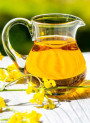
- Brassica Campestris Seed Oil (Rapeseed Oil) (Product ID: 127234) - An emollient oil for cleansing and skin conditioning.
- Isohexadecane (Product ID: 1044) - A lightweight emollient that helps dissolve makeup without feeling greasy.
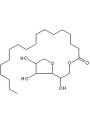
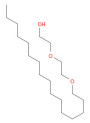
- Sorbitan Stearate (Product ID: 7598) and Ceteth-20 (Product ID: 10403) - Emulsifiers to combine the oil and water phases into a stable cream.
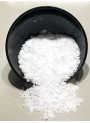
- Cetyl Alcohol (Product ID: 173) - A fatty alcohol that acts as a thickener and emollient, contributing to the cream's texture.
- Tocopheryl Acetate (Vitamin E Acetate) (Product ID: 65) and Tocopherol (Vitamin E) (Product ID: 135) - Antioxidants that can also offer some skin conditioning benefits.
- Parfum (Fragrance) - Various fragrance oils are available on the website to add scent, if desired.
Thickener:
- Carbomer (Product ID: 651 or 31007) - A gelling agent for the water phase, providing structure to the cream. Carbomer Ultrez 30 (ID 31007) is generally easier to use and more tolerant of other ingredients.
Preservative Blend:
- Phenoxyethanol is present in Phenoxyethanol SA (eq. Optiphen Plus) (Product ID: 928), which is a broad-spectrum preservative blend containing Phenoxyethanol, Caprylyl Glycol, and Sorbic Acid. This is a good option for preserving the cream.
Ingredients Not Available and Alternatives
- Centaurea Cyanus Flower water: This is Cornflower water, known for its soothing properties. While not directly available, you could use other floral waters like Rose Petal Water (Product ID: 1341) or Jasmine Grandiflorum Floral Water (Product ID: 125028) available on My Skin Recipes for a similar soothing and lightly fragrant effect.
- Inositol: This is a sugar alcohol with humectant properties. It is not available. Glycerin (Product ID: 143) is already in the formula and serves a similar humectant function.
- Mesembryanthemum Crystallinum Extract: This is Ice Plant Extract, known for soothing and hydrating. It is not available. The combination of Glycerin, floral water alternatives, and the emollient oils should provide good hydration and a soothing feel.
General Formulation Guide (Cream)
Creating a cream involves combining a water phase and an oil phase using emulsifiers. The exact percentages require experimentation to match the texture and feel of your favorite product, but here is a basic approach:
- Prepare the Water Phase: Combine purified water, Methylpropanediol, Glycerin, floral water (if using), Acacia Senegal Gum, Tetrasodium EDTA, Sodium Benzoate, and Potassium Sorbate in a heat-resistant container. If using Carbomer powder (like ID 651 or 31007), disperse it in the water phase and let it hydrate fully (this can take time for some types, follow product instructions). Heat this phase gently.
- Prepare the Oil Phase: In a separate heat-resistant container, combine Rapeseed Oil, Isohexadecane, Sorbitan Stearate, Ceteth-20, Cetyl Alcohol, Tocopheryl Acetate, and Tocopherol. Heat this phase gently to the same temperature as the water phase (around 60-70°C is common for melting solids like Cetyl Alcohol and emulsifiers).
- Emulsify: Slowly add the heated oil phase to the heated water phase while mixing continuously. High-shear mixing (using a stick blender) is recommended for creating a stable emulsion. Mix for several minutes.
- Cooling Phase: Continue mixing as the emulsion cools. Once the temperature drops below 40-50°C, add heat-sensitive ingredients.
- Thicken and Adjust pH: If using Carbomer powder, neutralize it with a Sodium Hydroxide solution (prepared by dissolving Sodium Hydroxide pellets/flakes in water) to thicken the cream. Add the Sodium Hydroxide solution drop by drop while mixing until the desired thickness is achieved and the pH is in a skin-friendly range (around 5.5-6.5). Use Citric Acid solution if the pH is too high.
- Add Preservative and Fragrance: Add Phenoxyethanol SA (Product ID: 928) and Parfum (fragrance oil) if desired. Mix thoroughly.
- Final Check: Check the pH again and adjust if necessary. Package the cream in a suitable container.
Important Notes:
- Start with small batch sizes for experimentation.
- Accurately weigh all ingredients.
- Maintain cleanliness throughout the process to prevent microbial contamination.
- Perform a patch test before using the final product on your face.
By using the available ingredients and following a standard cream formulation process, you can create a makeup remover cream with similar properties to your favorite product.
Related Products Mentioned
Vitamin E (Tocopheryl Acetate)
Vitamin E (dl-alpha tocopherol)
Glycerin (USP/Food Grade)
Cetyl Alcohol
Sodium Hydroxide
Carbomer 940 (EasyDisperse™, France)
Potassium Sorbate

Phenoxyethanol SA (eq. Optiphen Plus)
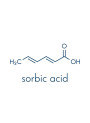
Sorbic Acid (Powder)
Isohexadecane
Rose Petal Water
Sorbitan Stearate (eq. Span 60)
Tetrasodium EDTA (EDTA-4Na)
Ceteth-20
Citric Acid (Anhydrous, Natural)
Methylpropanediol
Jasmine Grandiflorum Floral Water