Replicating RESIST BHA 9 Serum Formulation and BHA Concentration
Question
Regarding products with low pH:
Is it generally true that sensitive skin cannot use products with low pH, or does it primarily depend on the specific active ingredient used in the product?
Answer
Replicating RESIST BHA 9 Serum
Based on the ingredient list and our available materials, here's a breakdown to help you create a similar serum:
1. Ingredient Availability and Substitutes
Most of the key ingredients in the RESIST BHA 9 serum are available.
Available Ingredients:
- Salicylic Acid (BHA): We have
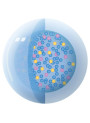
ActiveRelease™ Salicylic Acid (Powder, Water-Soluble)which is a time-released form suitable for leave-on products. StandardSalicylic Acid (BHA)is also available but requires dissolving in solvents like Propylene Glycol or Butylene Glycol and is not time-released. - Propylene Glycol
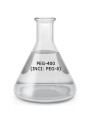
- PEG-8 (available as
Polyethylene Glycol 400) - Water
- Glycerin
- Avena Sativa (Oat) Kernel Extract: We have
Avena sativa (Oat) Extract (Water Soluble)andBeta Glucanextracted from oats, which provide similar soothing benefits. - Butylene Glycol
- Arginine (available as
L-Arginine) - Polysorbate 20
- Disodium EDTA
- Salicylic Acid (BHA): We have
Ingredients Not Directly Available:
- PEG-75: While we have
Lanolin Water Soluble (PEG-75 Lanolin), a direct PEG-75 may not be available. PEG-8 (Polyethylene Glycol 400) and other thickeners/solubilizers can help achieve a similar texture and function. - Boerhavia Diffusa Root Extract
- Sea Whip Extract
- PEG-75: While we have
Suggested Additions (based on previous discussion): To enhance the formula and potentially counteract irritation from BHA, consider adding soothing ingredients like
Panthenol (Vitamin B5)orLicorice Extract.Safe-B3™ (Vitamin B3, Niacinamide)is also available if you wish to include Niacinamide as discussed.
While you may not be able to replicate the formula exactly due to a few unavailable extracts, you can create a serum with very similar core active ingredients and functional components using the available materials, especially the time-released BHA.
2. Time-Released BHA Concentration
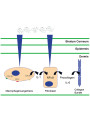
The original product lists 9% Salicylic Acid as "time-released". This 9% likely refers to the concentration of the delivery system containing the Salicylic Acid, not 9% active Salicylic Acid.
For leave-on cosmetic products, the maximum allowed concentration of active Salicylic Acid by regulatory bodies like the FDA is typically 2%. Time-released systems are designed to deliver the active ingredient gradually, which can allow for higher concentrations within the system while delivering a lower, safer, and less irritating concentration to the skin over time.
Our ActiveRelease™ Salicylic Acid (Powder, Water-Soluble) contains 40% active Salicylic Acid within the powder. Using this ingredient at a rate of 5% in your formula would provide 2% active Salicylic Acid, which is the maximum permitted concentration for leave-on products and aligns with the likely effective concentration delivered by the original product's time-released system.
Therefore, when using a time-released BHA like ActiveRelease™ Salicylic Acid, you should follow its recommended usage rate (up to 5% for 2% active BHA) rather than trying to match the 9% listed on the original product's ingredient list, as that 9% refers to the complex, not the pure active.
3. Basic Formulation Method
Here is a simple outline for creating a serum similar to RESIST BHA 9 using available ingredients. This is a basic guide, and specific percentages will need to be determined based on desired texture and active concentrations (especially for BHA).
- Water Phase: Measure out the required amount of water. Add water-soluble ingredients like
Disodium EDTA,Glycerin,Butylene Glycol,Polyethylene Glycol 400 (PEG-8),L-Arginine,Polysorbate 20,Avena sativa (Oat) Extract,Beta Glucan,Panthenol (Vitamin B5),Licorice Extract, andSafe-B3™ (Vitamin B3, Niacinamide)(if using). Mix until fully dissolved. - BHA Addition: Add
ActiveRelease™ Salicylic Acid (Powder, Water-Soluble)to the water phase and mix gently until dispersed. Avoid high-speed mixing, which can damage the time-release mechanism. If using standardSalicylic Acid (BHA), dissolve it separately inPropylene GlycolorButylene Glycolfirst, then add this solution to the water phase. - Thickening: If you want a gel texture similar to the original serum, add a thickener like
Hydroxypropyl Methylcellulose (HPMC)to the water phase according to its usage instructions (often requires dispersing in hot water then cooling, or dispersing in glycol before adding to cold water). Mix until the desired gel consistency is achieved. - Final Adjustments: Check the pH of the final product. BHA is most effective at a low pH (around 3-4). Use
L-Arginineor a dilute acid/base solution if needed to adjust the pH to the desired range for BHA efficacy and skin tolerance. Add preservative if necessary (ensure compatibility with BHA and other ingredients).
Always start with small test batches and adjust ingredient percentages based on your desired feel and performance.
Related Products Mentioned
Safe-B3™ (Vitamin B3, Niacinamide)
Propylene Glycol (USP)
Glycerin (USP/Food Grade)
Salicylic Acid (BHA, Pharma Grade)
Polysorbate 20 (Tween 20)
Disodium EDTA

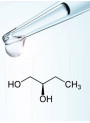
Butylene Glycol
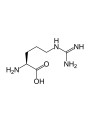
L-Arginine