Review and Adjustment for Silicone Base Sunscreen and Makeup Remover Formulas
Question
I have developed two formulas and would like to know if they are suitable for use, require any adjustments in ingredients or percentages, and how to use the makeup remover.
Physical Sunscreen Formula (Silicone Base):
- Zinc oxide nano 8%
- titanium dioxide nano 8%
- cyclomethicone 40%
- dimethicone 20%
- silicone Gel 10%
- lipid soft 10%
- Easy Mix Mineral Makeup color 4% (to reduce white cast)
Mixing steps:
Mix Zinc oxide nano + titanium dioxide nano + color until homogeneous. Then mix cyclomethicone + dimethicone + lipid soft. Finally, add silicone Gel to thicken.
I want a long-lasting sunscreen for oily skin but am concerned the texture might be too thick.
Makeup and Sunscreen Remover Formula:
- coco wash 5%
- make up wash 5%
- isododecane 30%
- cyclomethicone 30 %
- xanthan gum 1% (to make it thick and adhere to hands, avoiding cotton pads)
- Water 29 %
I want to be able to use this makeup remover by massaging it directly onto the face without cotton pads, followed by a regular foam cleanser. Is this usage method possible with this formula?
Are both formulas okay and usable? What adjustments should be made to ingredients or percentages?
Answer
Recommendations for Physical Sunscreen and Makeup Remover Formulas
Based on the formulas you provided, along with additional information and feedback, here are some recommendations:
Physical Sunscreen Formula (Silicone Base)
Your formula is designed as a Silicone Base, which is suitable for a physical sunscreen requiring long-lasting wear and a silicone feel. However, there are points to consider and adjust for optimal stability and effectiveness.
Formula and Ingredient Suitability:
- Zinc Oxide and Titanium Dioxide: Using Nano Zinc Oxide and Titanium Dioxide in a Silicone Base is the correct approach for easy spreading and reducing white cast. However, the initial Zinc Oxide you selected (Ultra-Fine, Non-Yellow, Non-Coated, USP) is, according to its product information, not suitable for sunscreen products. You should switch to a coated Zinc Oxide specifically designed for physical sunscreens in silicone bases, such as Zinc Oxide (40nm, Triethoxycaprylylsilane Coated) (ID 7956), to ensure proper dispersion in the silicone base and maximum sun protection efficacy.
- SiliSolve™: As suggested in the feedback, adding about 1% of SiliSolve™ (ID 408) is essential for this formula. SiliSolve™ acts as a binder, helping the pigment powders (Zinc Oxide, Titanium Dioxide, Easy Mix Mineral Makeup color) disperse well and remain stable in the silicone base, preventing settling or separation. This is very important for sunscreen formulas with high amounts of pigment powders.
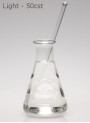
- Cyclomethicone, Dimethicone, Silicone Gel: Using these silicones in high amounts (total 70%) will help the product spread easily, feel smooth, and be long-lasting, which aligns with your needs for oily skin and durability. However, the viscosity of Dimethicone (ID 508 - Light/50cSt is one example) affects the overall texture. If you use a Dimethicone with too high viscosity, the texture might become heavy or thick. You should choose a low to medium viscosity Dimethicone and potentially reduce the amount slightly if the texture feels too heavy after testing.
- LipidSoft™: Including 10% LipidSoft™ (ID 529 - Palm is one example) adds emolliency and a smooth feel to the formula. For oily skin, some types of LipidSoft™ might feel heavy or greasy, and some, like LipidSoft™ Palm, can potentially be comedogenic for certain skin types. If you are concerned about oiliness or clogged pores, you might consider using a lighter, drier type of LipidSoft™ such as LipidSoft™ Dry or LipidSoft™ Lite, or reduce the percentage.
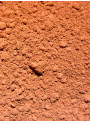
- Easy Mix Mineral Makeup Color: Adding color to reduce white cast is a good idea. Easy Mix Mineral Makeup color (ID 495 - Beige Iron Oxides EasyMix™ is one example) can be used, but you should test a small amount first to adjust the shade to match your skin tone. As suggested, it's best to mix the main formula first and then gradually add the color to adjust, as nano Zinc Oxide and Titanium Dioxide already help reduce white cast to some extent.
Mixing Steps:
Your proposed mixing steps for dispersing powders in the silicone base are generally correct (mixing powders together first, then gradually adding the silicone/oil mixture). However, if you add SiliSolve™ (ID 408), the steps should be adjusted as follows:- Mix SiliSolve™ into the silicone/oil phase (Cyclomethicone, Dimethicone, Silicone Gel, LipidSoft™) until well combined.
- Mix the pigment powders (Zinc Oxide, Titanium Dioxide, Easy Mix Mineral Makeup color) together in a separate container.
- Gradually add the powder mixture to the silicone/oil phase containing SiliSolve™, stirring or blending continuously until the powders are fully dispersed and the mixture is homogeneous.
- This step is crucial for ensuring complete dispersion of the powders, which is necessary for good sun protection performance and a smooth texture.
Makeup and Sunscreen Remover Formula
The makeup remover formula you designed contains both water and oil/silicone soluble ingredients but lacks a sufficient binder (Emulsifier), making the formula unstable.
Formula and Ingredient Suitability:
- Coco Wash™ and MakeUp-Wash™: Coco Wash™ (ID 196) and MakeUp-Wash™ (ID 373) are gentle surfactants that are water-soluble and suitable for cleansing and makeup removal products. According to the product information, MakeUp-Wash™ is suitable for creating Micellar Cleansing Water.
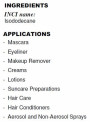
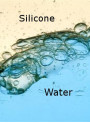
- Isododecane and Cyclomethicone: Isododecane (ID 228) and Cyclomethicone (ID 171) are oil/silicone phase ingredients and are not soluble in water. Including these ingredients in high amounts (total 60%) in a formula with water as the main component, without a suitable Emulsifier, will cause the formula to separate significantly.
- Xanthan Gum: Xanthan Gum (ID 216) is a water-soluble thickener that can increase the viscosity of the water phase as you intended.
Main Problem: This formula lacks an Emulsifier that can effectively combine the water phase and the oil/silicone phase into a stable, single mixture.
Adjustment Options:
- Simple Option (as suggested): Use only Coco Wash™ (ID 196) and MakeUp-Wash™ (ID 373) with water and Xanthan Gum (ID 216) to create a Water-based Cleansing Gel. This formula will be stable, but its effectiveness in dissolving silicone-based sunscreen or waterproof makeup might not be as high as a formula containing oil/silicone.
- Option with Oil/Silicone: If you want to include Isododecane and Cyclomethicone for better makeup and sunscreen dissolving power, you must add a suitable Emulsifier to the formula to create a Cleansing Emulsion, or a Cleansing Oil/Gel that emulsifies upon contact with water (Emulsifying Cleanser), or a Bi-phase Cleansing Water (with separate water and oil/silicone layers that need to be shaken before use). The formula and steps for these types would be significantly different from your current design.
Mixing Steps:
Your proposed mixing steps are incorrect for this formula because the ingredients are incompatible without a binder. If you adjust the formula to a Water-based Cleansing Gel (using only Coco Wash, MakeUp-Wash, Xanthan Gum, Water), the steps are:- Disperse Xanthan Gum (ID 216) in water (adding a small amount of Glycerin first can help it disperse easier). Stir or blend until a clear gel forms.
- Add Coco Wash™ (ID 196) and MakeUp-Wash™ (ID 373) to the gelled water phase. Stir gently until combined (avoid vigorous stirring to minimize foam).
- If you adjust the formula to an Emulsifying Cleanser or Bi-phase Cleanser, the steps will be more complex and require the use of a suitable Emulsifier.
Makeup Remover Usage Method:
- Regarding whether you can massage the makeup remover directly onto your face without using cotton pads and then follow with a foam cleanser, yes, you can do this. This method is particularly suitable if the formula is designed as a Cleansing Oil, Cleansing Balm, or Emulsifying Cleanser, which are meant to be massaged onto dry skin to dissolve makeup and sunscreen before adding a little water to emulsify and rinse off.
- Direct massage on the skin is a common technique with oil/balm cleansers to allow the oil/silicone components to fully dissolve impurities.
- Following with a foam cleanser (Double Cleansing) is a good and recommended step, especially for oily skin or when using long-wearing sunscreen/makeup, to ensure all residue is thoroughly removed from the skin.
In summary, your sunscreen formula has good potential for a Silicone Base but needs the addition of the binder SiliSolve™ and the use of an appropriate type of Zinc Oxide. Your current makeup remover formula is unstable and should be revised by choosing one of the stable approaches (Water-based Gel, Emulsifying Cleanser, or Bi-phase) and adjusting the mixing steps accordingly.
Related Products Mentioned
Coco Wash™ (PEG-7 Glyceryl Cocoate)
Silicone Gel (Ultra Clear, Super Silky)

Isododecane (Germany)

Beige Iron Oxides EasyMix™
Dimethicone (Light/50, Low-Odor)

LipidSoft™ Palm (Ethylhexyl palmitate)