Review of Beginner's Sulfate-Free Shampoo Formulation
Asked by: thanapoompthnp
On: December 06, 2017
Product Type:
Cosmetics
Answered
Question
As a beginner, I'm unsure about my sulfate-free shampoo formulation. Could you please review it and advise if it's usable or if any parts/ingredients need adjustment? Thank you.
Formulation:
- Sulfate Free Shampoo Base (pH 7, Clear, Foaming): 27%
- Alcohol (40%) fermented herbs: 20%
- Mild Preserved Eco™ (Ethylhexylglycerin): 1%
- Ethoxydiglycol: 1%
- Salt (for thickening): 1%
- Distilled Water: 50%
Answer
Formulation Review
Your sulfate-free shampoo formulation is a good starting point for a beginner! Let's review the components:
- Sulfate Free Shampoo Base (27%): This is a suitable base for a gentle, sulfate-free shampoo. The concentration is within the recommended range, providing good foaming and cleansing.
- Alcohol (40%) fermented herbs (20%): This adds an herbal extract to your formula. However, adding 20% of a 40% alcohol solution means your final product contains about 8% pure alcohol. While alcohol can be used in rinse-off products, this concentration might be drying or irritating for some scalps. The properties of the specific herbal extract are also unknown and will influence the final product.
- Mild Preserved Eco™ (1%): This is an effective and gentle preservative blend used at an appropriate concentration. It is compatible with the base and helps ensure the product remains free from microbial contamination.
- Ethoxydiglycol (1%): This acts as a solvent and carrier, helping to incorporate ingredients and potentially enhance the delivery of the herbal extract components. The concentration is well within the regulatory limits for rinse-off products.
- Salt (1%): This is used as a thickener for the shampoo base, which is a common and effective method. The concentration is within the recommended range for thickening this base.
- Distilled Water (50%): This is the main diluent and is appropriate for a shampoo formulation.
Recommendations for Adjustment
The formulation is generally workable, but you might consider the following:
- Alcohol Content: If you find the shampoo too drying or potentially irritating, you could try reducing the percentage of the alcohol-based herbal extract. You could compensate by increasing the percentage of the Sulfate Free Shampoo Base or the Distilled Water.
- pH Adjustment: The Sulfate Free Shampoo Base has a pH of 6.5-7.5. The ideal pH for a shampoo is typically slightly acidic (around pH 5.5) to be closer to the natural pH of the scalp and hair. You should measure the pH of your final formulation. If it's too high, you might need to adjust it down using a suitable acid (like Citric Acid Solution), keeping in mind that adding acidic ingredients might affect the stability or viscosity.
- Testing: It is highly recommended to perform stability testing (checking for changes in appearance, smell, and texture over time) and microbial testing (challenge test) to ensure the safety and shelf life of your product, especially when incorporating natural extracts.
Overall, this is a promising first attempt! With potential minor adjustments and proper testing, you can create a good sulfate-free shampoo.
Related Products Mentioned
Ethoxydiglycol (e.q. Transcutol)
Cosmetics
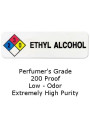
Purified Water, TDS Limit 1PPM)
Cosmetics
Mild Preserved Eco™ (Preservative-Free)
Cosmetics
Sodium Chloride (High Purity, 99.9%)
Cosmetics