Reviewing Facial Cleansing Cream Formula for Oily Skin & Clogged Pores
Question
I have revised my facial cleansing cream formula intended for oily skin, makeup and sunscreen removal, and addressing clogged pores. I would appreciate a final review and suggestions on whether any ingredients or percentages should be adjusted (increased or decreased).
Here is the revised formula:
Cleansing and Makeup Removal (Total 34%)
Coco Wash™ (PEG-7 Glyceryl Cocoate)10.00% (For oily skin cleansing)MakeUp-Wash™ (PEG-6 Caprylic/Capric Glycerides)5.00% (For light makeup removal; need 10% for heavy makeup)Cocamidopropyl Betaine (Coco Betaine)5.00% (Surfactant for cleansing and foaming)LipidSoft™9.00% (Helps dissolve chemical sunscreen ingredients like Avobenzone)
Dissolving Impurities and Clogged Pores (Total 4%)
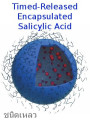
Encapsulated Salicylic Acid (BHA, Timed-Release)4.00% (Effective for dissolving clogged pores and impurities in pores)
Solvent, Gel Formation
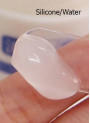
Silky Serum Base20% (Used at a low ratio; thickens when mixed with water. Using this percentage first to check viscosity, then adjust up or down)Butylene Glycol5.00% (Solvent)
Moisturizing (Total 11%)
Glycerin (Vegetable) 99.8%5.00% (Moisturizer and humectant)Panthenol (Vitamin B5) ExtraLite™5.00% (Provides moisture, retains moisture)Cucumber Extract1.00% (Softens skin, reduces irritation; low percentage because it's a wash-off product)
Preservative
Phenoxyethanol1.00% (Considered a safe preservative)
Other Ingredients
- Distilled Water
Disodium EDTA(Remaining percentage)
Please provide your final review and recommendations for adjustments.
Answer
Feedback on Facial Cleansing Cream Formula
Hello! It's great to hear that your previous cream formulation was successful and that you're seeing good results. It's wonderful that you're inspired to create a facial cleansing cream next!
Let's review the revised formula you've proposed for a liquid cream/milk cleanser designed for oily skin, sunscreen removal, and clogged pores.
Addressing Your Original Questions
- Encapsulated Salicylic Acid (BHA) in a Cream Base: Based on the information available, Encapsulated Salicylic Acid (BHA) can indeed be used in a cream base like Silky Serum Base. While it might not result in a clear gel, it is compatible with this type of base for creating a cream or serum texture, as you noted from the previous forum discussion.
- Integrating LipidSoft™ in the Formula: LipidSoft™ is an oil-soluble emollient used to dissolve substances like chemical sunscreens. To effectively integrate it into a water-based formula and achieve a stable liquid cream/milk texture, you need a base that can emulsify or coordinate oils. The revised formula uses Silky Serum Base, but this base is generally not designed to bind oils. For better stability and proper integration of LipidSoft™, it is highly recommended to use Silky Serum Base Plus instead. This base is specifically formulated to handle oil components in the formula, ensuring the LipidSoft™ is well-dispersed and the product remains stable without separation.
Evaluation of the Revised Formula
The revised formula is well-structured and addresses your objectives. Here's a breakdown:
- Cleansing and Makeup Removal (34% total): The combination of Coco Wash™, MakeUp-Wash™, and Cocamidopropyl Betaine provides a good balance of cleansing power suitable for oily skin and gentle makeup removal. The inclusion of LipidSoft™ at 9% is effective for dissolving sunscreen and makeup, which is important for removing products like Shiseido sunscreen.
- Addressing Clogged Pores (4% Encapsulated BHA): Using 4% Encapsulated Salicylic Acid (equivalent to 1.2% active BHA) in a wash-off product is a good approach for targeting clogged pores. The encapsulated form offers a gentler, timed-release effect compared to standard BHA.
- Texture and Solvent: Butylene Glycol at 5% acts as a solvent and humectant. As mentioned, replacing Silky Serum Base with Silky Serum Base Plus is crucial for stability when incorporating LipidSoft™.
- Moisturizing (11% total): Glycerin (5%) and Panthenol (Vitamin B5) (5%) are excellent humectants that help retain moisture and soothe the skin, counteracting potential dryness from cleansing agents and BHA. This should leave your skin feeling comfortable after washing.
- Preservation: Phenoxyethanol at 1% is a standard and effective preservative. Disodium EDTA helps enhance its efficacy and the overall stability of the formula.
Recommendations and Final Review
- Change Base: As highlighted, strongly consider replacing Silky Serum Base with Silky Serum Base Plus to ensure the stability of the formula with LipidSoft™.
- BHA Concentration: While 4% Encapsulated Salicylic Acid is suitable for wash-off products, it delivers 1.2% active BHA. For some sensitive skin types, this might still cause mild irritation. It's advisable to test the finished product on a small area first and reduce the concentration if needed.
- pH Consideration: For optimal activity of Salicylic Acid, the final pH of the product should ideally be in the acidic range (around pH 3-4). While not strictly necessary for a wash-off product, adjusting the pH could enhance the BHA's effectiveness. However, this requires pH testing and careful adjustment, which might be more complex for home formulation.
- Adjusting Viscosity: Your plan to adjust the percentage of the base (Silky Serum Base Plus) to achieve the desired liquid cream/milk texture is correct. Start with 20% and adjust as needed.
Overall, the revised formula is promising and addresses your goals. Making the change to Silky Serum Base Plus is the most important adjustment for formula integrity. The percentages seem reasonable for the intended purpose, but always observe your skin's response, especially to the BHA concentration.
I hope this detailed feedback is helpful for finalizing your facial cleansing cream formula!
Related Products Mentioned
Glycerin (USP/Food Grade)
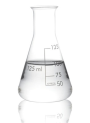
Phenoxyethanol (Extra Pure)
Cocamidopropyl Betaine
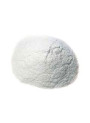
Disodium EDTA
Coco Wash™ (PEG-7 Glyceryl Cocoate)
Cucumber Extract (France)
Butylene Glycol
LipidSoft™ CC (Cetyl Ethylhexanoate)
Silky Serum Base (Face/Eye)

LipidSoft™ Palm (Ethylhexyl palmitate)