Serum Formulation: Compatibility and High Active Concentrations
Question
I have formulated a serum with the following ingredients and percentages. I would like to know if these ingredients are compatible and if the concentrations are appropriate. What are the potential issues with this formula?
- Hyaluronic Acid (Nano & Standard Molecule) - 1%
- Safe-B3™ (Niacinamide) - 3%
- Vitamin B6 (Pyridoxine Hydrochloride) - 3%
- Azelaic Acid (Liquid Azelaic™) - 10%
- Phenoxyethanol (Optiphen) - 1%
- Copper Peptide (GHK-Cu) - 3%
- Water - 79%
Answer
Hello! Thank you for sharing your serum formula.
Based on the information you provided, including the staff's reply, the ingredients in your formula are compatible and can be mixed together.
Here's a look at the ingredients and their concentrations:
- Hyaluronic Acid (Nano & Standard Molecule) - Total 1%: This is a good concentration for providing hydration to the skin.
- Safe-B3™ (Niacinamide) - 3%: A well-regarded concentration for improving skin barrier function, reducing redness, and minimizing the appearance of pores.
- Vitamin B6 (Pyridoxine Hydrochloride) - 3%: This concentration appears higher than typically used in cosmetic formulations, which are often below 1%.
- Azelaic Acid (Liquid Azelaic™) - 10%: This is a therapeutic concentration commonly used for treating acne, rosacea, and hyperpigmentation. It can be effective but also potentially irritating, especially at this percentage.
- Phenoxyethanol (Optiphen) - 1%: This is a standard and effective concentration for preserving the formula.
- Copper Peptide (GHK-Cu) - 3%: Similar to Vitamin B6, this concentration seems higher than typically found in cosmetic products, where usage rates are often 0.1% to 1%. High concentrations can be costly and may not provide significantly increased benefits or could pose formulation challenges (like pH sensitivity).
- Water - 79%: The base of the serum.
While the ingredients are compatible, the formula contains multiple active ingredients at relatively high concentrations (especially 10% Azelaic Acid and the high percentages of Vitamin B6 and Copper Peptide). This combination could potentially increase the risk of skin irritation, redness, or sensitivity, particularly if you have sensitive skin or are new to using these ingredients.
As the staff mentioned, without knowing your specific skin type, concerns, and goals, it is difficult to provide precise recommendations on whether to increase or decrease any ingredients.
Recommendation:
- Confirm the compatibility of the specific products you are using with MySkinRecipes staff if you have any further concerns about the high concentrations or pH.
- Always perform a patch test on a small area of skin before applying the serum to your entire face to check for any adverse reactions.
- If you experience irritation, you might consider reducing the concentration of the most potentially irritating ingredients, such as Azelaic Acid, or introducing the serum gradually into your routine.
This formula is quite potent and targets multiple concerns. Use it cautiously and observe how your skin responds.
Related Products Mentioned
Safe-B3™ (Vitamin B3, Niacinamide)
Phenoxyethanol (Extra Pure)

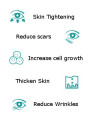
Double Hyaluron Liquid
Vitamin B6 (Pyridoxine Hydrochloride)