Serum Formulation Separation Issue
Question
I need advice on a serum formulation that keeps separating. After letting it sit for 3-4 days, it separates. I've tried fixing it multiple times without success. Please help me identify the problem and suggest solutions. The formula is as follows:
- Distilled Water: 43.25%
- Disodium EDTA: 0.2%
- Allantoin: 0.2%
- Vitamin A Retinyl Acetate: 0.10%
- Alpha Arbutin: 1%
- Vitamin B3 Niacinamide (Safe-B3 TM): 1%
- GlucoBright TM (Acetyl glucosamine): 1.5%
- 4MSK (Potassium Methoxysalicylate): 0.8%
- Tranexamic Acid: 2%
- GABA Natural: 0.5%
- 4D Hyaluronic Acid: 2%
- Natural Betaine: 1%
- Collagen HP: 1%
- Apple Stem Cell Extract: 0.5%
- ActiveProtec™ OX: 0.30%
- Licorice Extract (Licochalcone A 1%): 1%
- Lactic Acid (AHA) 90%: 1%
- Repair Activator TM: 2.5%
- Natto Gum: 2%
- 1,2-Hexanediol (Super-Purified, Odorless): 2%
- Moisturizing Honey: 1%
- Hydrolyzed Milk Protein: 1.5%
- Pal-GHK, Pal-GQPR: 2%
- MOIST24: 1%
- Pep®-Radiance (Nonapeptide-1): 0.5%
- Lemon Peel Bioferment (Lemon Skin™): 0.5%
- Lotus Extract: 0.5%
- Jojoba Oil: 0.5%
- Squalane: 0.5%
- Avocado Oil: 0.2%
- Cyclopentasiloxane (Low-Odor Cyclomethicone): 8%
- Koji Acid Dipalmitate: 0.045%
- LipidSoft lite: 1% (for dissolving Protec™ OX)
- Silky Serum Base Plus (Face/Eye, Oil): 16%
- Magnesium Sulfate (High Purity): 2%
- Mild Preserved Eco™ (Preservative-Free): 1%
- Protec™ OX: 0.05%
- Sweet Orange Peel Oil: 0.1%
Manufacturing Method:
A. Dissolve LipidSoft lite in Protec™ OX using heat and set aside.
B. Set aside 20% of the water to warm and mix with the oil phase.
C. Dissolve Koji Acid Dipalmitate in mixture A and let it cool to 40-45°C.
D. Add Cyclopentasiloxane (Low-Odor Cyclomethicone) and Silky Serum Base Plus (Face/Eye, Oil) to mixture C.
E. Warm mixtures B and D to similar temperatures (around 40-45°C) and pour the water phase (B) into the oil phase (D) while stirring continuously.
F. Continue adding slowly until all water is incorporated, stirring continuously. Then blend with a cream mixer until it cools down to near room temperature.
G. Gradually add the remaining ingredients while continuously blending until all remaining substances are incorporated.
Notes:
- Ingredients sensitive to heat were added later.
- After blending for 3-5 minutes after adding all ingredients, a thick texture is obtained.
Please help review the formula. It separates after sitting for 3-4 days. I can't fix it and have wasted ingredients multiple times. Please advise on what went wrong.
Answer
Serum Separation Issue: Analysis and Solutions
It's understandable how frustrating it is to have your serum formulation separate after putting so much effort into it. Your formula is quite complex with a high concentration of various active ingredients, which can indeed make stability challenging.
Based on your formula and manufacturing steps, here are the most likely reasons for the separation and suggested solutions:
Potential Causes of Separation
- Electrolyte Sensitivity of Thickeners: Your formula contains several ingredients that are electrolytes, notably Magnesium Sulfate (2%), 4MSK (0.8%), and ActiveProtec™ OX (0.3%). The description for Natto Gum specifically mentions it is a weak electrolyte and can cause formulas to thin or separate if the thickener is not electrolyte-tolerant. High salt concentrations from Magnesium Sulfate can also destabilize many common thickeners and gelling agents, including some types of Hyaluronic Acid.
- Emulsifier System Strength: You are using Silky Serum Base Plus (16%) and LipidSoft™ Lite (1%) along with other oils and silicones, totaling around 26.4% of the oil/silicone phase. The description for Silky Serum Base Plus suggests it can handle oils/silicones up to 30% (including the base itself) but recommends at least 60-70% water for stability. Your formula has significantly less water (~43.25% plus water from liquid actives). The ratio of oil/silicone to water, combined with the presence of electrolytes and numerous actives, might be too demanding for this emulsifier system alone.
- Incorrect Mixing Method: Your step E involves pouring the water phase into the oil phase. For most Oil-in-Water (O/W) emulsions (which a serum typically is), it is generally recommended to add the oil phase (or the base containing the oil phase) slowly into the water phase while blending with high shear. The description for Silky Serum Base Plus also suggests adding water slowly to the base+oil phase.
- Formula pH: The presence of Lactic Acid (AHA) 90% will lower the pH of your formula. Many ingredients, including thickeners, emulsifiers, and actives like Collagen HP and GABA Natural, have specific pH ranges for optimal stability and performance. A pH that is too low could contribute to the breakdown of the emulsion or gelling structure, especially in the presence of electrolytes.
Suggested Solutions
To address the separation issue, focus on these key areas:
- Replace Electrolyte-Sensitive Thickeners: This is likely the most critical step. Replace Natto Gum and potentially re-evaluate the use of 4D Hyaluronic Acid if it's also sensitive to electrolytes. Choose a thickener or gelling agent that is known to be highly tolerant of salts and electrolytes. Examples include certain acrylate crosspolymers or specific grades of carbomers designed for challenging formulations.
- Strengthen or Change the Emulsifier System: Consider increasing the concentration of Silky Serum Base Plus or adding a co-emulsifier to help stabilize the high oil/silicone load and the complex water phase. Alternatively, research and switch to a more robust emulsifier system capable of handling high oil percentages and electrolytes.
- Correct the Mixing Procedure: Modify your method to slowly add the combined oil/silicone phase (containing Silky Serum Base Plus, LipidSoft™ Lite, oils, silicones, Koji Acid Dipalmitate, Protec™ OX) into the heated water phase (containing water, Disodium EDTA, Allantoin, Magnesium Sulfate, 4MSK, ActiveProtec™ OX, MOIST24, etc.) while blending continuously with high shear until the emulsion forms and cools.
- Measure and Adjust pH: After adding all ingredients (including heat-sensitive ones), measure the final pH of your serum. If it is outside the optimal range for your ingredients (especially the thickeners/emulsifiers and sensitive actives), carefully adjust it upwards using a dilute solution of Sodium Hydroxide. Ensure the final pH is suitable for skin application and the stability of all components.
- Review Ingredient Compatibility: While more complex, review the compatibility of all your active ingredients, especially the combination of multiple electrolytes and acids, as they can interact and cause instability.
By addressing the electrolyte compatibility with your thickeners and optimizing your emulsifier system and mixing method, you should be able to achieve a stable serum.
Related Products Mentioned
Natto Gum Extract
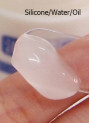
Silky Serum Base Plus (Face/Eye, Oil)
MOIST24
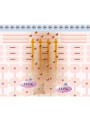
4MSK (Potassium Methoxysalicylate)

4D Hyaluronic Acid
ActiveProtec™ OX
Collagen HP