Serum Formulation with Multiple Actives: Compatibility, Texture, and Stability
Question
I want to formulate a serum combining Vitamin C and Antioxidant ingredients with the following composition: L ascorbic acid 15%, Superoxide Dismutase 3%, Yerba santa protein 3%, Ectoin 2%, Ethoxydiglycol 2%, Protec SQ 2%, Silk Lotion Maker 2%, Polysorbate 80 1%, Centella Asiatica 1%, Adenosine Liposome 3%, Orange Peel Extract 1%, Pure-Phloretin 1%, Resveratrol 1%, EGCG 1%, Licochalcone A 1% 1%, d alpha Tocopherol 1%, Bakuchiol 1%, Ferulic Acid 1%, Carnosine 1%, Mild Preserve Eco 1%, Idebenone 0.5%, Panthenol 1%, Fullerene C60 0.5%, Alpha Lipoic Acid 0.3%, Quercetin 0.5%, Genistein 0.2%, WhiteCumin 0.2%, Disodium EDTA 0.2%, Hyaluronic Acid small 0.1%, Hyaluronic Acid Standard 0.1%, Protec UV 0.1%. My questions are: 1. Can these ingredients be mixed? If not, please suggest adjustments. 2. If I want the formula to be liquid enough for a dropper bottle, which emulsifier system is better: Light Lotion Maker + Polysorbate 80 or Silk Lotion Maker + Polysorbate 80? 3. Can I add Dimethicone 1 sec for better texture? 4. I want to use a clear bottle. Are Protec SQ 2% and Protec UV 0.1% suitable for protecting the ingredients in a clear bottle?
Answer
Serum Formulation Analysis
You have proposed a very comprehensive serum formula packed with numerous active ingredients and antioxidants. While it is ambitious to combine so many actives, let's break down the feasibility and address your specific questions.
1. Can the ingredients be mixed? If not, please adjust.
Mixing this formula is technically possible but presents significant challenges, primarily regarding stability and compatibility due to the large number and diverse nature of the ingredients.
- Complexity: The formula contains a mix of water-soluble, oil-soluble, and dispersible ingredients, requiring a robust emulsification system and careful mixing procedures.
- pH Requirements: L-Ascorbic Acid requires a low pH (ideally 3.5-4.0 for 15% concentration) for stability and efficacy. Many other ingredients have optimal pH ranges that overlap with this acidity (e.g., Centella Asiatica, Adenosine Liposome, Orange Peel Extract, Carnosine, Panthenol, Licochalcone A, Ectoin, Bakuchiol, Quercetin, Disodium EDTA). However, maintaining the stability and efficacy of all ingredients simultaneously at this low pH is difficult and requires rigorous testing.
- Stability of Actives: Several ingredients are highly sensitive to light, heat, and oxidation, including L-Ascorbic Acid, Resveratrol, Bakuchiol, Fullerene C60, Quercetin, and WhiteCumin. While you've included Protec SQ and Protec UV, the high concentration of L-Ascorbic Acid is inherently prone to oxidation in water-based formulas, and other sensitive actives like Fullerene C60 and Quercetin strongly recommend opaque packaging.
- Ingredient Suitability: The product description for Genistein indicates it is for food/pharmaceutical research use only and not allowed in dietary supplements by the Thai FDA. Its use in cosmetics is therefore questionable and should be avoided.
Adjustment: Given the complexity and potential stability issues, especially with L-Ascorbic Acid at 15% and the inclusion of Genistein, it is highly recommended to simplify the formula or conduct extensive stability testing. However, if you proceed with this list (excluding Genistein), you must pay close attention to pH control, mixing temperatures (avoiding heat for sensitive ingredients), and the incorporation of oil-soluble components using your chosen emulsifier system.
- Remove Genistein: Based on the product information, remove Genistein 0.2% from the formula.
The remaining ingredients can theoretically be combined, but achieving a stable, effective, and aesthetically pleasing product will require careful formulation technique and thorough stability testing.
2. For a liquid dropper bottle, which emulsifier system is better: Light Lotion Maker + Polysorbate 80 or Silk Lotion Maker + Polysorbate 80?
For a liquid formula suitable for a dropper bottle, Silk Lotion Maker + Polysorbate 80 is likely the better choice. The description for Silk Lotion Maker specifically mentions its suitability for spray formulas or formulas requiring low viscosity when used with Polysorbate 80. This combination is designed to create lighter textures compared to typical lotions or creams.
3. Can Dimethicone 1Secs be added for better texture?
Yes, adding Dimethicone 1Secs can help improve the texture of the serum, providing a smoother, less greasy, and more "slippery" feel upon application due to its fast evaporation rate. It is soluble in silicone and some oils and can be incorporated into the oil phase or emulsified into the formula.
4. Are Protec SQ 2% and Protec UV 0.1% suitable for packaging in a clear bottle?
While Protec SQ and Protec UV are excellent stabilizers that help protect ingredients from UV light and oxidation, they are likely not sufficient to guarantee the stability of this formula in a clear bottle. Several key ingredients in your formula, including Fullerene C60, Quercetin, and Resveratrol, are explicitly noted as being highly sensitive to light and strongly recommend opaque packaging for long-term stability. Using a clear bottle, even with these stabilizers, significantly increases the risk of these valuable active ingredients degrading over time, reducing the product's effectiveness and potentially causing discoloration. It is highly recommended to use an opaque bottle for this formula.
Summary of Formulation Considerations:
- pH: Carefully adjust and maintain the pH in the acidic range (ideally 3.5-4.0) for L-Ascorbic Acid stability. Be aware that this pH might be outside the optimal range for some other ingredients, potentially affecting their performance over time.
- Mixing: Incorporate ingredients according to their solubility and temperature sensitivity. Oil-soluble ingredients (Protec SQ, Silk Lotion Maker, Polysorbate 80, Vitamin E, Bakuchiol, Idebenone, WhiteCumin, ALA, Resveratrol - needs solvent) should be combined with the emulsifier system. Water-soluble/dispersible ingredients (L-Ascorbic Acid, SOD, Yerba Santa Protein, Ectoin, Ethoxydiglycol, Centella Asiatica, Adenosine Liposome, Orange Peel Extract, Licochalcone A, Carnosine, Panthenol, Fullerene C60, Quercetin, Disodium EDTA, Hyaluronic Acids) in the water phase. Avoid high heat for heat-sensitive actives.
- Stability: Due to the high load of sensitive actives, stability testing is crucial. Opaque packaging is strongly recommended to protect light-sensitive ingredients.
- Genistein: Remove Genistein from the formula.
Related Products Mentioned
Pure-Ferulic Acid™
Vitamin C (L-ascorbic acid) (Ultra-Fine)
Vitamin E (dl-alpha tocopherol)
Ethoxydiglycol (e.q. Transcutol)
Polysorbate 80 (Tween 80)
Disodium EDTA
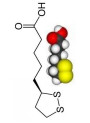
Alpha Lipoic Acid (ALA) (Powder)
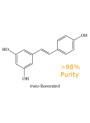
Trans-Resveratrol (Powder, 98%)

Soy Extract (Genistein 98%)

Pure-Phloretin™
Mild Preserved Eco™ (Preservative-Free)
Adenosine Liposome
Ectoine (Ectoin, from Bio-fermentation)
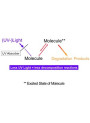
Protec™ SQ
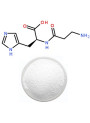
L-Carnosine
Dimethicone 1Secs
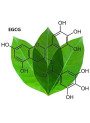
Pure-EGCG™ (Green Tea Extract, 98% EGCG)
Light Lotion Maker

Silk Lotion Maker
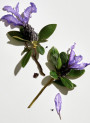
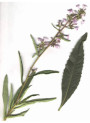
Yerba Santa Protein (Natural Silicone)

Superoxide Dismutase Liposome (SOD)