Shampoo Formulation for Oily, Acne-Prone Scalp: Foam and Surfactant Level
Question
I am developing a shampoo formula for oily hair with occasional breakouts on the scalp. My goal is to achieve more foam compared to my previous formula. Could you please evaluate the following proposed formula and provide advice?
My proposed formula includes:
- Amino Wash: 15%
- Baby Foam: 15%
- Lauryl Glucoside: 3%
- Coco-Betaine: 5%
- SugarThick: 2%
- Tea Tree Oil (Water Soluble): 1%
- WaterLock: 1%
- SiliWater: 0.5%
- Phenoxyethanol: 1%
- Water: Balance to 100%
I would appreciate feedback on the suitability of the ingredients and percentages, particularly regarding foam level and effectiveness for oily, acne-prone scalp, as well as any recommendations for adjustment.
Answer
Shampoo Formula Evaluation
Your goal is to create a shampoo for oily hair with occasional breakouts, aiming for more foam than your previous formula. The ingredients you've chosen are suitable for this purpose.
- Surfactants (Amino Wash, Baby Foam, Lauryl Glucoside, Coco-Betaine): This combination of surfactants is good for generating foam and providing effective cleansing, which is suitable for oily hair. Amino Wash and Baby Foam are known for their mildness and good foaming properties. Lauryl Glucoside and Coco-Betaine further contribute to cleansing and foam stability.
- Total Surfactant Concentration: Your proposed formula has a total surfactant concentration of 38% (15% + 15% + 3% + 5%). While this will provide strong cleansing and high foam, it is a very high percentage for a shampoo and might be too stripping or potentially irritating for the scalp, even for oily hair. A more typical total raw material surfactant concentration for a shampoo is often in the range of 20-25%.
- SugarThick: This is an appropriate thickener for surfactant systems and will help achieve the desired liquid consistency. 2% is a reasonable starting point, but you might need to adjust slightly depending on the final surfactant concentration and desired viscosity.
- Tea Tree Oil (Water Soluble): Including Tea Tree Oil at 1% is a good choice for addressing scalp acne due to its known antimicrobial properties.
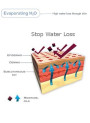
- WaterLock and SiliWater: These ingredients provide conditioning benefits, helping to keep the hair moisturized and manageable despite the cleansing power of the surfactants. The percentages you've chosen are appropriate.
- Phenoxyethanol: This is a standard preservative, and 1% is a typical usage level.
Recommendations
To balance effective cleansing and foam with potential irritation from a very high surfactant load, I recommend slightly reducing the total surfactant concentration. You can adjust the percentages of Amino Wash and Baby Foam primarily, while keeping the ratio of the four surfactants relatively similar to maintain the desired foam characteristics.
For example, you could try a total raw material surfactant concentration around 20-25%. An adjusted formula could look something like this:
- Amino Wash: 8%
- Baby Foam: 8%
- Lauryl Glucoside: 2%
- Coco-Betaine: 4%
- SugarThick: 2%
- Tea Tree Oil (Water Soluble): 1%
- WaterLock: 1%
- SiliWater: 0.5%
- Phenoxyethanol: 1%
- Water: Balance (adjust to 100%)
This adjusted formula would have a total surfactant percentage of 22%, which is still effective for oily hair and provides good foam, but is less likely to be overly stripping compared to 38%. You can experiment with the percentages within the 20-25% range to find the balance that works best for your hair and scalp.
The other ingredients (SugarThick, Tea Tree Oil, WaterLock, SiliWater, Phenoxyethanol) are suitable and their percentages are appropriate for their intended functions in the formula.
Related Products Mentioned
Phenoxyethanol (Extra Pure)
Lauryl Glucoside

Tea Tree Oil (Water Soluble)
WaterLock™ (Polyquaternium-51)
SiliWater™ (silicone dissolved in water)