Shampoo Formulation for Strength, Smoothness, and Oil Control
Question
I want to try making shampoo. I want my hair to be strong, non-greasy, non-frizzy, and smooth. Is the following formula okay? Please advise so I can order the ingredients.
Formula:
- Sulfate Free Shampoo Base 30%
- Pure Keratin 2%
- Creatine 100 1%
- N-Acetyl Cysteine 2%
- L-Cysteine 2%
- Condi B5 2%
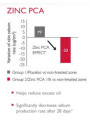
- Zinc PCA 1%
- Cetrimonium Chloride 2%
- SiliWater 1%
- กันเสีย 1%
- น้ำหอม 1%
- Water
Based on this formula, can the ingredients be mixed together directly? Will the shampoo be thick, or do I need to add something? Thank you in advance.
Answer
Hello! Thank you for sharing your shampoo formula aiming for strong, non-greasy, non-frizzy, and smooth hair.
Let's review the ingredients and your questions:
Ingredients and their roles:
- Sulfate Free Shampoo Base (30%): This is your main cleansing agent.
- Pure Keratin (2%), Creatine 100 (1%), N-Acetyl Cysteine (2%), L-Cysteine (2%): These ingredients are known to help strengthen hair structure.
- Zinc PCA (1%): Helps control scalp oiliness.
- Condi B5 (Panthenyl Hydroxypropyl Steardimonium Chloride) (2%), Cetrimonium Chloride (2%), SiliWater (Dimethicone Copolyol) (1%): These are conditioning agents that help with smoothness, detangling, and reducing frizz.
- Preservative (1%), Fragrance (1%), Water (55%): Standard components.
Regarding your questions:
- Can they be mixed directly? Yes, generally these ingredients can be mixed. A typical method is to combine the water phase ingredients (water, water-soluble actives like Keratin, Creatine, NAC, L-Cysteine, Zinc PCA, SiliWater, Condi B5, Cetrimonium Chloride) and then gently mix this phase into the Sulfate Free Shampoo Base. Add the preservative and fragrance last. Mix gently to avoid excessive foam.
- Will the shampoo be thick, or do I need to add something? The final viscosity depends heavily on the specific Sulfate Free Shampoo Base you are using and how the additives interact with it. With 55% water and a significant amount of additives, it might not be as thick as many commercial shampoos. If you prefer a thicker consistency, you can try adding Sodium Chloride (salt) gradually while stirring, as many surfactant bases thicken with salt. Alternatively, you could use a polymer thickener suitable for surfactant systems.
Feedback on the formula:
- You have included ingredients that align well with your goals of strengthening hair (Keratin, Creatine, Cysteines) and improving smoothness/reducing frizz (Conditioning agents, Silicone). Zinc PCA addresses the non-greasy aspect.
- Important Note: I noticed that the link provided for both N-Acetyl Cysteine (item 4) and L-Cysteine (item 5) is the same, pointing to the N-Acetyl Cysteine product. Please confirm if you intended to use both N-Acetyl Cysteine and L-Cysteine, and if so, please ensure you have the correct product for L-Cysteine. The combined percentage of these two ingredients (4%) is quite high for a shampoo and might require careful formulation to ensure stability and efficacy.
- The total percentage of active and conditioning ingredients (around 13%) is relatively high compared to the surfactant base (30%). This high additive load could potentially affect the clarity or long-term stability of the shampoo.
Overall, the formula incorporates good ingredients for your desired results. Just be mindful of the points mentioned regarding the Cysteine ingredients, the total additive load, and the potential need for a thickener.
We recommend confirming the specific products you intend to use, especially for items 4 and 5, to ensure compatibility and optimal results.
Related Products Mentioned
Cetrimonium Chloride (CTAC)
Zinc PCA
SiliWater™ (silicone dissolved in water)