Shaving Gel/Cream Formulation with Natural Alternatives
Question
I am looking for a formula and instructions for a shaving gel or cream, focusing on natural ingredients. I also have a specific formula using synthetic ingredients and would like to know the mixing steps, typical usage percentages for each ingredient, and natural alternatives for these ingredients. The formula I have is:
- Carbomer
- Aqua
- Triethanolamine
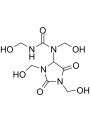
- Diazolidinyl Urea
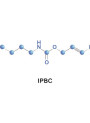
- Iodopropynyl Butyl Carbamate
- Propylene Glycol
- PEG-12 Dimethicone
- PEG-40 Hydrogenated Castor Oil
- Fragrance
Answer
Shaving Gel/Cream Formulation: Natural Ingredients and Alternatives
You've asked for a formula and instructions for a shaving gel or cream focusing on natural ingredients, and also about a specific formula you provided, including mixing steps, percentages, and natural alternatives.
Regarding the Formula You Provided
The formula you listed is a basic gel formulation primarily using synthetic ingredients, as the staff correctly pointed out. Here’s a typical way to mix a Carbomer-based gel and general usage ranges for the ingredients you mentioned:
Mixing Steps for a Carbomer Gel:
- Disperse the Carbomer powder in the Aqua (water). Stir or blend until it is fully hydrated and evenly dispersed. This may take some time depending on the Carbomer type. Avoid high-speed mixing that can trap air bubbles.
- Once the Carbomer is fully dispersed and the water is clear (no powder clumps), slowly add the Triethanolamine (or other neutralizing alkali) while stirring. This will neutralize the Carbomer and cause the gel to thicken. Continue mixing until a smooth gel is formed.
- In a separate container, mix the oil-soluble ingredients like PEG-12 Dimethicone and PEG-40 Hydrogenated Castor Oil. If using Fragrance, add it here as well.
- Add the water-soluble ingredients like Propylene Glycol, Diazolidinyl Urea, and Iodopropynyl Butyl Carbamate to the Carbomer gel base.
- Combine the oil phase (from step 3) with the water phase (from step 4) and mix thoroughly until homogenous.
Typical Usage Ranges for Ingredients in Your Provided List:
- Carbomer: 0.5-3% (adjust based on desired gel thickness)
- Aqua: This will be the main component, typically making up the rest of the formula (around 70-90%+).
- Triethanolamine: 0.1-2.5% (used to neutralize Carbomer; the exact amount depends on the Carbomer percentage and desired pH)
- Diazolidinyl Urea: 0.1-0.5% (preservative)
- Iodopropynyl Butyl Carbamate: 0.01-0.02% (preservative)
- Propylene Glycol: 1-20% (humectant, solvent, skin feel enhancer)
- PEG-12 Dimethicone: 0.5-50% (skin feel, lubrication)
- PEG-40 Hydrogenated Castor Oil: Usage varies depending on what it is solubilizing, often 1-10%.
- Fragrance: Typically 0.1-1%.
Please note that these are general ranges. The exact percentage for each ingredient will depend on the specific properties of the ingredients used and the desired final product characteristics. Formulation requires testing and adjustment.
Natural Alternatives
If you are looking to create a shaving product using natural ingredients, here are some alternatives for the synthetic components in your list:
- Thickener (replacing Carbomer): Natural options include Xanthan Gum or CreamThick™ (Hydroxypropyl Starch Phosphate). Xanthan Gum creates a clear gel, while CreamThick™ results in a milky white gel.
- Humectant/Solvent (replacing Propylene Glycol): Propanediol (1,3-Propanediol) is a natural alternative to Propylene Glycol and Glycerin, acting as a humectant and solvent. Glycerin is another excellent natural humectant.
- Lubricant/Skin Feel (replacing PEG-12 Dimethicone): While Dimethicone provides a unique slip, natural oils and butters can provide lubrication and a smooth feel. Vegetable Vaseline (Olus Oil) is a natural blend of triglycerides with a vaseline-like texture. Other natural oils like Jojoba Oil, Shea Butter, or Cocoa Butter can also contribute to lubrication and skin conditioning in a cream or lotion format.
- Solubilizer/Surfactant (replacing PEG-40 Hydrogenated Castor Oil): Replacing this with a purely natural option that performs the same function (solubilizing fragrance or oils in a water base) can be challenging in a clear gel. Natural emulsifiers exist, but they would typically result in a cream or lotion rather than a clear gel. You would need to explore natural non-ionic surfactants or emulsifiers suitable for your desired product type.
- Preservatives (replacing Diazolidinyl Urea and Iodopropynyl Butyl Carbamate): Natural preservative options include NaturePreserve™ Ultra (Gluconolactone & Sodium Benzoate) or PaeoniaPreserve™ (Natural Preservative). Mild Preserved Eco™ is a preservative-free option that boosts preservation and provides humectancy.
Creating a Natural Shaving Product
To create a natural shaving gel or cream, you would typically combine:
- Water Phase: Water, natural humectants (Glycerin, Propanediol), natural thickener (Xanthan Gum, CreamThick™).
- Oil Phase (for cream/lotion): Natural oils, butters (like Shea Butter, Cocoa Butter), or Vegetable Vaseline.
- Emulsifier (for cream/lotion): A natural emulsifier to combine the oil and water phases.
- Natural Preservative: To prevent microbial growth.
- Optional: Natural fragrance or essential oils, soothing botanical extracts (like Aloe Vera or Chamomile extract).
Developing a stable and effective natural formulation requires careful selection of ingredients, understanding their compatibility, and thorough testing.
I hope this information is helpful for your formulation journey!
Related Products Mentioned
Propylene Glycol (USP)
Triethanolamine 99%
Glycerin (USP/Food Grade)
Dimethicone (Light/50, Low-Odor)
Carbomer 940 (EasyDisperse™, France)
Mild Preserved Eco™ (Preservative-Free)
Vegetable Vaseline (Olus Oil)
PaeoniaPreserve™ (Natural Preservative)