Silicone-based Sunscreen Formulation Mixing Procedure
Question
I have the following silicone-based sunscreen formulation:
Part A
- Dimethicone Light
15% - Titanium Dioxide
3% - Zinc Oxide
7% - DHHB
5% - Octocrylene
5% - Lipid Soft CC
4% - Beige color
2%
Part B
- Silicone Gel thick
qs. 100
Part C
- Tinosorb a2b
4%
My proposed mixing procedure is:
- Mix Part A.
- Add Part B.
- Add Part C in the final step.
Is this mixing procedure correct?
Answer
Formulation Review
Your proposed formulation and mixing method for a silicone-based product with sun protection seems generally viable.
Here's a breakdown of the steps and considerations:
Part A Mixing
Combine the following ingredients and mix thoroughly:
- Dimethicone Light (15%)
- Titanium Dioxide (Nano) (3%)
- Zinc Oxide (Nano) (7%)
- DHHB (5%)
- Octocrylene (5%)
- Lipid Soft CC (4%)
- Beige color (2%)
Ensure that the powder ingredients (Titanium Dioxide, Zinc Oxide, and Beige color) are fully dispersed in the oil/silicone phase (Dimethicone Light, DHHB, Octocrylene, Lipid Soft CC). Proper dispersion is crucial for a smooth texture, even color, and effective sun protection.
Adding Part B
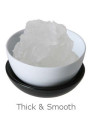
Gradually add the Silicone Gel thick (qs to 100%) to the mixture from Part A. Mix until a homogeneous gel texture is achieved. The Silicone Gel acts as a thickener and provides a smooth feel. Based on your description of "thick", the Silicone Gel (Thick & Smooth, Cyclopentasiloxane Base) would be a suitable option.
Adding Part C
Finally, add the Tris-Biphenyl Triazine (Nano) (4%) to the mixture and mix until it is evenly dispersed throughout the formulation.
Summary
The proposed method of mixing the oil/silicone phase first, then incorporating the silicone gel thickener, and finally adding the remaining sunscreen agent is a logical approach for creating this type of formulation. Pay close attention to the dispersion of the powders in Part A for best results.
Related Products Mentioned
Zinc Oxide 200nm EasyDisperse™
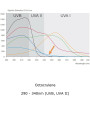
Octocrylene
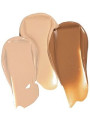
LipidSoft™ CC (Cetyl Ethylhexanoate)
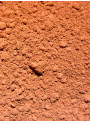
Beige Iron Oxides EasyMix™
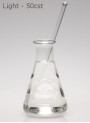
Dimethicone (Light/50, Low-Odor)