Silicone-Free, Non-Comedogenic Sunscreen: Balancing Easy Wash-off and Longevity
Question
I am developing a silicone-free, non-comedogenic sunscreen SPF 32 using Zinc Oxide. My goal is a formula that is both easy to wash off and long-lasting, but I understand these properties can be contradictory, especially with physical filters like Zinc Oxide. My current formula includes:
- Zinc Oxide (Micronized)
- LipidSoft
- Polysorbate 20
- Panthenol (Vitamin B5)
- Glycerin
- Allantoin
- Green Tea Extract
- Gotu Kola Extract
- Cucumber Extract
- Methyl Paraben
Could you suggest alternative ingredients and formulation techniques to achieve a silicone-free, non-comedogenic sunscreen that balances easy wash-off with good longevity/water resistance? Specifically, what alternatives to silicones (like LipidSoft options) and UV filter types (Micronized Zinc Oxide, Titanium Dioxide) are suitable, and how can I address the conflict between easy wash-off and long-lasting performance?
Answer
Silicone-Free & Non-Comedogenic Sunscreen Formulation
Based on your existing SPF 32 formula and your requirements for a silicone-free, non-comedogenic, easy-to-wash-off, and long-lasting sunscreen, here are some comparable ingredients and formulation considerations:
Your current formula uses Zinc Oxide, which is a physical UV filter and generally considered non-comedogenic. The key to a silicone-free and non-comedogenic formula lies in selecting appropriate emollients, emulsifiers, and other functional ingredients.
UV Filters
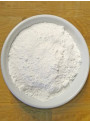
- Zinc Oxide: You are already using Zinc Oxide. For a silicone-free formula, you can use Micronized Zinc Oxide (uncoated) or Zinc Oxide (Ultra-Fine, Non-Yellow, Non-Coated, USP). These require good dispersion in the formula. Alternatively, Zinc Oxide Transparent Dispersion (C12-15 alkyl benzoate Base) is a pre-dispersed option in a non-silicone base that is easy to incorporate and helps minimize whitening.
- Titanium Dioxide: Another physical filter that can be used alongside Zinc Oxide for broader spectrum protection. Consider Titanium Dioxide Transparent (10nm, C12-15 Alkyl Benzoate Base), which is a pre-dispersed, non-whitening option in a non-silicone base. Note that Titanium Dioxide 250nm Pigment (Non-Treated) is primarily for makeup and less suitable for sunscreen UV protection.
Emollients & Solvents (Silicone Alternatives)
To replace silicones and provide a non-greasy feel while helping disperse UV filters, consider the LipidSoft™ range:
- LipidSoft™ C1215 (C12-15 alkyl benzoate): A versatile, non-oily ester that helps dissolve UV filters and provides a light feel.
- LipidSoft™ Lite (Isononyl Nonanoate): Offers a very light, non-comedogenic feel, similar to some silicones, and helps the formula spread easily.
- LipidSoft™ D5 (Cyclomethicone Replacer): A blend of hydrocarbons designed to mimic the feel and volatility of Cyclomethicone without being a silicone.
These LipidSoft options can help achieve a pleasant texture without clogging pores.
Humectants & Soothing Agents
Your formula includes Panthenol (Vitamin B5), Glycerin, Allantoin, Green Tea Extract, Gotu Kola Extract, and Cucumber Extract. These are excellent ingredients for hydration, soothing, and antioxidant benefits and are available.
- Panthenol and Glycerin are effective humectants.
- Allantoin is known for its soothing and skin-healing properties.
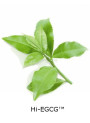
- Green Tea Extract (like Hi-EGCG™) and Gotu Kola Extract (like Pure-TECA™ Centella Asiatica Extract) provide antioxidant and anti-inflammatory benefits.
- Cucumber Extract offers cooling and hydrating effects.
You can continue using these or explore other botanical extracts with similar properties.
Emulsifiers
Your formula uses Polysorbate 20. This is a common non-ionic emulsifier suitable for oil-in-water emulsions. You can continue using this or explore other silicone-free emulsifiers depending on the desired texture and stability of your emulsion.
Preservatives
Your formula uses Methyl Paraben. For alternative preservatives, especially if aiming for a "paraben-free" claim, consider:
- Mild Preserved Eco™ (Preservative-Free): A blend that is not classified as a preservative by some regulations but provides broad-spectrum protection.
- PE 1090 Preservative: A common broad-spectrum, paraben-free preservative blend (Phenoxyethanol, Ethylhexylglycerin).
- NaturePreserve™ Ultra (Gluconolactone & Sodium Benzoate): A natural preservative option effective in a specific pH range.
Easy Wash-off vs. Long-lasting
As noted in the reply you received, achieving both easy wash-off and long-lasting (especially water resistance) in a physical sunscreen is challenging.
- Easy Wash-off: Formulas designed for easy removal typically use emulsifiers and emollients that are readily dispersed by water or gentle cleansers. They may not form a strong, durable film on the skin.
- Long-lasting: Water-resistant or very long-lasting sunscreens often contain film-formers or use formulation techniques that create a more robust film on the skin, making them harder to wash off and often requiring a dedicated makeup remover or oil cleanser.
To balance these, you might need to:
- Prioritize one aspect (e.g., focus on non-comedogenic and easy wash-off, accepting less water resistance).
- Formulate with emollients that feel light but can still help disperse UV filters evenly for good protection.
- Suggest a double cleansing method to users to ensure complete removal of the sunscreen at the end of the day, allowing you to formulate for better longevity without compromising washability with the right technique.
Choosing the right combination of Zinc Oxide/Titanium Dioxide types, LipidSoft emollients, and emulsifiers will be key to achieving the desired balance of texture, non-comedogenicity, and performance.
Related Products Mentioned

Allantoin
Glycerin (USP/Food Grade)
Polysorbate 20 (Tween 20)

Cucumber Extract (France)
Zinc Oxide (Micronized)

Hi-EGCG™ (Green Tea Extract)
Mild Preserved Eco™ (Preservative-Free)