Sleeping Oil Formula Review and Ingredient Compatibility
Question
I am planning to make a sleeping oil and would like to inquire about the feasibility of the following formula. Can these ingredients be mixed together? Is there a chance the pH will be unsuitable, causing irritation or reducing the efficacy of some ingredients?
INGREDIENT          %
LipidSoft F             15
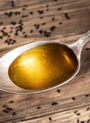
Black Cumin Seed Oil        10
Tamanu Oil          10
Rose Hip Oil            10
Grape Seed Oil          9.02
Safflower Oil           7
Squalane            5
Jojoba Oil (Clear)      5
Pomegranate Seed Oil        5
Abyssinian Oil          5
Perfect-C           5
Encapsulated Salicylic      3
Kojic Acid          3
Laurocapram             2
Alpha-Bisabolol         1
Palmitamide MEA         1
Phytosphingosine        1
Bakuchiol           1
Tea Tree Oil            0.50
Vitamin E           0.50
LHA                 0.50
Disodium EDTA           0.20
Licochalcone 20%        0.20
Protex OX           0.05
Protec UV           0.03
Answer
Formula Review and Compatibility
This formula is designed as a sleeping oil, which is an anhydrous (water-free) formulation. Let's review the ingredients and their compatibility in this type of system, as well as potential issues regarding efficacy and irritation.
Ingredients Suitable for Oil Base:
- LipidSoft F (Ethyl Linoleate): An emollient ester that provides good texture and helps balance skin moisture. It is oil-soluble.
- Natural Oils (Black Cumin Seed Oil, Tamanu Oil, Rose Hip Oil, Grape Seed Oil, Safflower Oil, Jojoba Oil, Pomegranate Seed Oil, Abyssinian Oil, Squalane): These are all oils that will form the base of your sleeping oil. They are compatible with each other.
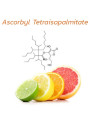
- Perfect-C (Ascorbyl Tetraisopalmitate): An oil-soluble Vitamin C derivative known for its stability and skin benefits. It should mix well in the oil phase.
- Kojic Acid Dipalmitate: An oil-soluble whitening agent. It requires heat (60-80°C) to dissolve in the oil phase.
- Alpha-Bisabolol: An oil-soluble ingredient used to reduce irritation. It should mix well.
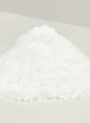
- Palmitamide MEA: Used to reduce irritation. It is a powder that can dissolve in some oils with heat (around 70°C). You will need to ensure it is properly dissolved/dispersed in your oil blend.
- Phytosphingosine: Used for skin barrier repair and has antimicrobial properties. It is a powder that dissolves in organic solvents and needs to be properly dispersed/dissolved in the oil phase.
- Bakuchiol: An oil-soluble ingredient with retinol-like effects. It should be mixed in the oil phase, avoiding excessive heat.
- Tea Tree Oil: An oil with antibacterial properties. It will mix into the oil base.
- Vitamin E (Tocopheryl Acetate): An oil-soluble antioxidant. It will mix well.
- LHA (Capryloyl Salicylic Acid): An oil-soluble hydroxy acid used for exfoliation and acne. It is a powder that requires heat (70-80°C) to dissolve in the oil phase.
- Protec™ OX: An oil-soluble antioxidant to protect the formula ingredients. It requires heat (70-80°C) to dissolve.
- Protec™ UV: An oil-soluble UV absorber to protect the formula ingredients from light. It should mix into the oil phase.
Ingredients Problematic in an Oil Base:
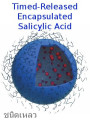
- Encapsulated Salicylic Acid (Liquid, Timed-Release, Wash-Off): The product description for this ingredient (ID 229) explicitly states it is a wash-off type, suitable only for products that are rinsed off (like cleansers). It is not designed for leave-on products like a sleeping oil. Using this in your formula will not provide the intended benefits as it requires water to activate and be released effectively during washing. You should replace this with a form of Salicylic Acid or LHA specifically designed for leave-on, oil-based applications if you need additional exfoliation beyond the LHA already included.
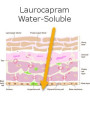
- Laurocapram (Water Soluble): The product description for this ingredient (ID 1585) states it is water-soluble and suitable for enhancing penetration of water-soluble ingredients. Your formula is oil-based, and most actives are oil-soluble. This ingredient will not function as a penetration enhancer for oil-soluble actives in this formula and will likely not dissolve properly. You should use the oil-soluble version of Laurocapram (ID 840) if you require a penetration enhancer for your oil-soluble actives.
- Disodium EDTA: This is a chelating agent primarily used in water-based formulas to bind metal ions in water. In an anhydrous oil formula, it will not dissolve and will remain as a solid powder. While it might theoretically chelate trace metals in the oil or from packaging, its effectiveness is significantly limited, and it will negatively impact the texture of your oil. Chelating agents are generally less critical in anhydrous oil systems compared to water-based ones.
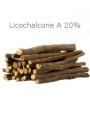
- Licochalcone A (Licorice Extract 20%): The product description for this ingredient (ID 1504) states it is a powder that dissolves in Glycol but cannot be dissolved in water. It will also not dissolve in an oil base and will remain as a dispersed solid, affecting texture and potentially limiting its efficacy as it's not properly solubilized. You would need to find an oil-soluble form of licorice extract or use a suitable solubilizer if you want to include this active effectively.
pH Suitability and Irritation:
In an anhydrous oil-based formula, pH is not a relevant factor for ingredient stability or skin irritation in the same way it is for water-based products. The potential for irritation comes from the ingredients themselves and their concentrations.
- Tea Tree Oil: At 0.5%, Tea Tree Oil is at the upper recommended limit for facial use and can cause irritation, especially for sensitive skin. You may consider reducing the concentration if irritation is a concern.
- LHA (Capryloyl Salicylic Acid): At 0.5%, this is generally well-tolerated, but the product description advises caution at higher concentrations (above 2%) due to potential irritation.
- The combination of multiple potent actives (LHA, Bakuchiol, Perfect-C, Tea Tree Oil, Kojic Acid Dipalmitate) in a single formula increases the overall potential for irritation, especially for sensitive skin types.
Conclusion and Recommendations
Your proposed sleeping oil formula has a good foundation with many beneficial oils and oil-soluble actives. However, the inclusion of ingredients not suitable for an anhydrous oil base (wash-off Salicylic Acid, water-soluble Laurocapram, Disodium EDTA, Licochalcone A powder) will lead to formulation issues (texture, stability) and reduced efficacy of those specific ingredients.
To create a stable and effective sleeping oil, consider the following modifications:
- Replace Wash-Off Salicylic Acid: Remove the Encapsulated Salicylic Acid (Wash-Off) (ID 229) as it is not suitable for a leave-on product. Rely on the LHA (Capryloyl Salicylic Acid) for exfoliation, or find a leave-on compatible Salicylic Acid form if needed.
- Replace Water-Soluble Laurocapram: If you need a penetration enhancer for your oil-soluble actives, replace Laurocapram (Water Soluble) (ID 1585) with Laurocapram (Oil Soluble) (ID 840).
- Address Disodium EDTA and Licochalcone A: Omit Disodium EDTA (ID 184) as it is ineffective in an anhydrous oil and will affect texture. For Licochalcone A (ID 1504), you will need to find an oil-soluble version or omit it, as the powder form will not dissolve.
- Consider Tea Tree Oil Concentration: Be mindful of the 0.5% Tea Tree Oil concentration, as it may cause irritation for sensitive skin. You might consider a lower concentration if necessary.
- Proper Mixing: Ensure that powdered ingredients like Kojic Acid Dipalmitate, Palmitamide MEA, and LHA are properly dissolved in the oil phase using the recommended heat levels during manufacturing to avoid a gritty texture.
By making these adjustments, you can create a more stable, effective, and pleasant-feeling sleeping oil formulation.
Related Products Mentioned
Vitamin E (Tocopheryl Acetate)
Squalane (Olive)
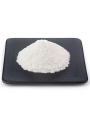
Kojic Acid Dipalmitate
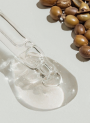
Jojoba Oil (Clear - Deodorized)
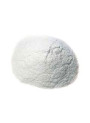
Disodium EDTA
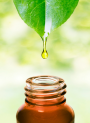
Tea Tree Oil (Extra Grade, Terpinen‑4‑OL >43%, Australian)
Palmitamide MEA

LipidSoft™ F (Ethyl Linoleate)
Black Cumin Seed Oil (Virgin)


Abyssinian Oil (Refined)
Laurocapram (Water Soluble)
Rosehip Oil (Virgin, Fresh)