Storage Conditions for Cosmetic Ingredients
Question
I have ordered some cosmetic ingredients and have questions about storage.
The labels say to avoid heat and sunlight.
I would like to know:
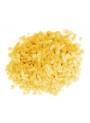
- If storing them in a room (with air conditioning only at night) is acceptable? For example, I stored Beeswax (flakes) for 4 months, and it has started clumping together. Does this indicate a problem?
- Is a room without air conditioning too hot for storing ingredients?
- What temperature range is considered suitable for "avoiding heat and sunlight"?
Based on my previous storage experiences:
- Safe-B3 and GlucoBright were stored in the refrigerator's vegetable compartment. Will the cold temperature degrade these ingredients? What is the suitable storage temperature?
- Panthenol and Vitamin B5 ExtraLite were stored in a dark glass bottle in the refrigerator's vegetable compartment. After a while, the liquid became thick and viscous. Does this mean they have degraded? What is the suitable temperature?
- DMAE was stored in a dark glass bottle in the vegetable compartment and remains a clear liquid. What is the suitable storage temperature when mixing it into an essence?
Will these ingredients degrade if stored at temperatures that are too cold or too hot? I'm concerned they might change like the Beeswax that clumped together.
Also, I've read that finished products should be stored in the refrigerator or a cool place to prevent degradation. Does this mean I should store all my raw ingredients in the refrigerator?
Answer
Ingredient Storage Guidelines
Proper storage is essential to maintain the quality and effectiveness of your cosmetic ingredients. The recommendation to "avoid heat and sunlight" generally means storing ingredients at typical room temperature, away from direct light sources.
Storage Conditions for Your Ingredients
Based on the product information, here are the recommended storage conditions for the ingredients you mentioned:
- Beeswax (Natural White Beeswax, Yellow Beeswax): Store at room temperature, tightly sealed, and protected from sunlight or heat. The clumping you observed after 4 months is likely a physical change due to temperature fluctuations around its melting point and does not necessarily indicate degradation if stored correctly otherwise.
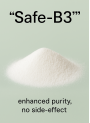
- Safe-B3 (Vitamin B3, Niacinamide): Store at room temperature, avoiding direct sunlight and heat. Seal the lid tightly.
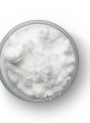
- GlucoBright (Acetyl Glucosamine): Store at room temperature, avoiding exposure to sunlight and heat. Seal the lid tightly.
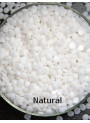
- Panthenol (Vitamin B5, DL-Panthenol) and Vitamin B5 ExtraLite (Ethyl Panthenol): Store at room temperature, away from sunlight or heat. Seal the lid tightly. The change in viscosity of Vitamin B5 ExtraLite when stored in the refrigerator is likely a physical effect of the cold temperature, not necessarily a sign of degradation. Room temperature is the standard recommended storage.
- DMAE (SkinTight MD™) Liquid: Store at room temperature, avoiding heat. For long-term storage, it can be stored in a cool place at 6-8°C. Storing it in the vegetable compartment of the refrigerator is suitable for long-term storage, and it remaining a clear liquid indicates it is likely still in good condition.
Suitable Temperature Range
For ingredients that recommend room temperature storage, a typical range of 20-25°C is generally suitable. Storing them in a room with air conditioning at night and normal room temperature during the day (without direct sun exposure) should be acceptable, provided the daytime temperature doesn't consistently exceed around 30°C for extended periods.
For DMAE, cool storage at 6-8°C is recommended for long-term preservation, in addition to room temperature storage away from heat.
Refrigeration: Raw Ingredients vs. Finished Products
The recommendation to store finished products in the refrigerator is often due to the specific formulation, which might contain sensitive ingredients or have a composition that benefits from cooler temperatures to maintain stability and extend shelf life. This does not mean that all raw ingredients should be stored in the refrigerator. Always follow the specific storage instructions provided for each raw material. Storing ingredients at temperatures colder than recommended can sometimes cause physical changes, as you observed with Beeswax and Vitamin B5 ExtraLite, although this doesn't always mean the ingredient has degraded chemically.
In summary, storing most of your ingredients at room temperature away from heat and direct sunlight is appropriate. DMAE benefits from cool storage (6-8°C) for long-term keeping. Always check the specific storage instructions for each ingredient.
Related Products Mentioned
Safe-B3™ (Vitamin B3, Niacinamide)

GlucoBright™ (Acetyl Glucosamine)

Panthenol (Vitamin B5) ExtraLite™

DMAE (SkinTight MD™) Liquid