Sunscreen Formulation Analysis and Ingredient Recommendations
Question
I would like to formulate a sunscreen similar to the provided ingredient list. The formula does not use OMC or LipidSoft for dissolving UV filters. I want to know if this formula uses Diisopropyl sebacate to dissolve DHHB (Diethylamino Hydroxybenzoyl Hexyl Benzoate), BEMT (Bis-Ethylhexyloxyphenol Methoxyphenyl Triazine), and Ethylhexyl Triazone? If not, what ingredient is used and at what approximate percentage to dissolve them at these percentages (Ethylhexyl Triazone 1.5%, Diethylamino Hydroxybenzoyl Hexyl Benzoate 1.5%, Bis-Ethylhexyloxyphenol Methoxyphenyl Triazine 0.5%)? What emulsifier(s) should be used and at what approximate percentage(s) for this formula, which has a thin milk texture? If I add about 3-4% Iron Oxide, will it affect the SPF value and the viscosity of the formula? Can you please provide a list of recommended ingredients from your company that can be used and their approximate percentages to create a similar formula? The provided ingredient list is: Cyclopentasiloxane, Zinc Oxide 12.18%, Diisopropyl sebacate, Methyl Methacrylate Crosspolymer, Water (Aqua), Cetyl Ethylhexanoate, Pentaerythrityl tetraethylhexanoate, Triethylhexanoin, Dimethicone, Butylene Glycol, Diethylhexyl Succinate, Titanium Dioxide, Polymethylsilsesquioxane, Glycerin, PEG-9 Polydimethylsiloxyethyl Dimethicone, PEG-10 Dimethicone, Silica, Ethylhexyl Triazone 1.5%, Diethylamino Hydroxybenzoyl Hexyl Benzoate 1.5%, Aluminum Hydroxide, Disteardimonium Hectorite, Stearic Acid, Trimethylsiloxysilicate, Bis-Ethylhexyloxyphenol Methoxyphenyl Triazine 0.5%, Hydrogen Dimethicone, PEG/PPG-14/7 Dimethyl Ether, Sodium Chloride, Sodium Citrate, Sodium Metabisulfite, Dipotassium Glycyrrhizate, Tocopherol, Sodium Acetylated Hyaluronate.
Answer
Sunscreen Formulation Analysis and Ingredient Recommendations
Based on the ingredient list you provided, here is an analysis of the formulation and recommendations for similar ingredients from our company:
Solvents for UV Filters
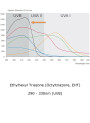
Yes, Diisopropyl Sebacate (such as our product LipidSoft DS) is indeed present in the formula and is an excellent solvent for organic UV filters like Ethylhexyl Triazone and Diethylamino Hydroxybenzoyl Hexyl Benzoate (DHHB). While Bis-Ethylhexyloxyphenol Methoxyphenyl Triazine (BEMT) is less soluble, it is effectively dispersed with the help of emollients and silicones in the formula. Other ingredients like Cetyl Ethylhexanoate, Diethylhexyl Succinate, Pentaerythrityl tetraethylhexanoate, Triethylhexanoin, Cyclopentasiloxane, Dimethicone, and Trimethylsiloxysilicate also contribute to dissolving and dispersing the organic UV filters and the physical filters (Zinc Oxide, Titanium Dioxide).
Emulsifier and Thickener System
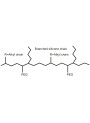
Given the description of a "thin milk" consistency and the presence of silicones and water, this formulation appears to be a Water-in-Oil (W/O) or Water-in-Silicone emulsion. The key emulsifiers for this type of system are likely PEG-9 Polydimethylsiloxyethyl Dimethicone (similar to our Lauryl PEG-9 Polydimethylsiloxyethyl Dimethicone) and PEG-10 Dimethicone (like our SiliSolve). These are silicone-based W/O emulsifiers.
Disteardimonium Hectorite is also a crucial component, acting as a rheology modifier and suspending agent commonly used in W/O emulsions to provide thickening and stabilize pigments and UV filters.
The typical usage rate for W/O emulsifiers like PEG-10 Dimethicone or Lauryl PEG-9 Polydimethylsiloxyethyl Dimethicone is generally in the range of 1% to 5%, depending on the oil/silicone phase percentage and the desired viscosity. Disteardimonium Hectorite is typically used at 0.1% to 10% as a thickener and stabilizer.
Effect of Adding Iron Oxide
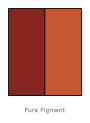
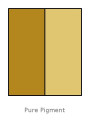
Adding 3-4% Iron Oxide (such as our Iron Oxides Red, Iron Oxides Yellow, or Iron Oxides Black, preferably the coated versions for better dispersion) will primarily add color to the sunscreen, providing a skin tone tint. It will also likely increase the viscosity of the formula, potentially changing the "thin milk" texture. While Iron Oxides offer some protection against visible light and minimal UVA protection, adding them at this percentage will not significantly increase the overall SPF (UVB protection) provided by the primary UV filters in the formula. Ensuring the Iron Oxide is well-dispersed is important for both color uniformity and formula stability.
Recommended Ingredients and Approximate Percentages
Based on the ingredients you listed and products available from our company, here is a list of recommended ingredients. Please note that only the percentages for Zinc Oxide and the organic UV filters were provided in your original list. The percentages for other ingredients are based on typical usage ranges for similar formulations and product descriptions, and would require formulation testing to optimize.
- UV Filters:
- Zinc Oxide: 12.18% (Consider a transparent dispersion in oil/silicone base like Zinc Oxide Transparent Dispersion (C12-15 alkyl benzoate Base) or Zinc Oxide Transparent Dispersion (Isopropyl Palmitate Base), or a coated powder like Zinc Oxide (Micronized) if suitable for dispersion in your system. Uncoated types like Zinc Oxide (Ultra-Fine, Non-Yellow, Non-Coated, USP) are generally not recommended for sunscreens.)
- Ethylhexyl Triazone: 1.5% (e.g., Ethylhexyl Triazone)
- Diethylamino Hydroxybenzoyl Hexyl Benzoate (DHHB): 1.5% (e.g., DHHB)
- Bis-Ethylhexyloxyphenol Methoxyphenyl Triazine (BEMT): 0.5%
- Solvents / Emollients / Silicones (Oil/Silicone Phase):
- Cyclopentasiloxane: Percentage not specified (Typical range: 1-20% in creams/lotions. e.g., Cyclopentasiloxane (Low-Odor Cyclomethicone))
- Diisopropyl Sebacate: Percentage not specified (Typical range: 1-10%. e.g., LipidSoft DS (Diisopropyl Sebacate))
- Cetyl Ethylhexanoate: Percentage not specified
- Pentaerythrityl tetraethylhexanoate: Percentage not specified
- Triethylhexanoin: Percentage not specified
- Dimethicone: Percentage not specified (Typical range: 0.5-50%. Various viscosities available, e.g., Dimethicone (Very Light/10, Low-Odor))
- Diethylhexyl Succinate: Percentage not specified
- Trimethylsiloxysilicate: Percentage not specified
- Hydrogen Dimethicone: Percentage not specified (Often used as a coating for powders)
- PEG/PPG-14/7 Dimethyl Ether: Percentage not specified
- Aqueous Phase Ingredients:
- Water (Aqua): Balance to 100%
- Butylene Glycol: Percentage not specified (Typical range: 1-10%)
- Glycerin: Percentage not specified (Typical range: 1-10%)
- Sodium Chloride: Percentage not specified (Often used at ~1% in W/O emulsions for stability)
- Sodium Citrate: Percentage not specified
- Sodium Metabisulfite: Percentage not specified
- Dipotassium Glycyrrhizate: Percentage not specified (Typical range: 0.1-0.5%)
- Sodium Acetylated Hyaluronate: Percentage not specified
- Emulsifiers / Stabilizers / Thickeners:
- PEG-9 Polydimethylsiloxyethyl Dimethicone: Percentage not specified (Typical range: 0.5-3%. e.g., Lauryl PEG-9 Polydimethylsiloxyethyl Dimethicone)
- PEG-10 Dimethicone: Percentage not specified (Typical range: 0.5-1%. e.g., SiliSolve (PEG-10 Dimethicone, Odorless))
- Disteardimonium Hectorite: Percentage not specified (Typical range: 0.1-10%. e.g., Disteardimonium Hectorite)
- Stearic Acid: Percentage not specified (Typical range: 0.5-5%)
- Aluminum Hydroxide: Percentage not specified (Often used as a coating for physical filters)
- Powders / Fillers:
- Methyl Methacrylate Crosspolymer: Percentage not specified (Typical range: 1-10%)
- Polymethylsilsesquioxane: Percentage not specified (Typical range: 1-10%)
- Silica: Percentage not specified (Typical range: 1-10%)
- Titanium Dioxide: Percentage not specified (Typical range: 1-25%. Consider coated versions suitable for UV protection like Titanium Dioxide 300nm WaterProof™ (Triethoxycaprylylsilane Treated) or Titanium Dioxide 250nm WaterProof™ (Dimethicone Treated))
- Colorants (if adding):
- Iron Oxides (Red, Yellow, Black): 3-4% total (Use coated versions for better dispersion, e.g., Iron Oxides Red (Triethoxycaprylylsilane Coated), Iron Oxides Yellow (Triethoxycaprylylsilane Coated), Iron Oxides Black (Triethoxycaprylylsilane Coated))
- Other Actives:
- Tocopherol (Vitamin E): Percentage not specified (Typical range: 0.1-0.5%)
To replicate this formula, you would need to determine the exact percentages of all ingredients. The provided percentages for UV filters and Zinc Oxide are a good starting point for achieving sun protection, and the other ingredients would be adjusted to achieve the desired texture, stability, and feel of a thin milk lotion.
If you plan to add Iron Oxides, start with a small percentage and adjust to achieve the desired color while monitoring the effect on viscosity and stability. Using pre-dispersed or coated Iron Oxides is highly recommended for ease of incorporation and stability in sunscreen formulations.
Hope this helps you with your formulation!
Related Products Mentioned
Zinc Oxide (Micronized)
Disteardimonium Hectorite