Sunscreen Formulation for High Water Resistance (SPF 50+ PA++++)
Question
I need a sunscreen SPF 50+ PA++++ for outdoor and water activities that is long-lasting and highly water/sweat resistant.
Here is my proposed formulation:
INGREDIENTS
- Cyclomethicone / Cyclopentasiloxane (Low-Odor) 5%
- Dimethicone (Very Light/5, Low-Odor) 17%
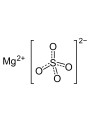
- Magnesium Sulfate (Anhydrous) 1%
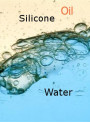
- SiliSolve Plus™ (ประสานน้ำ-น้ำมัน-ซิลิโคน) 1%
- Mild Preserved Eco™ (Preservative-Free) 1%
- WaterGuard™ Ultra 5%
- PMMA Booster (SPF/Color Booster) 5%
- Ethyl Ferulate 1%
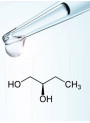
- Butylene Glycol 3%
- isohexadecane 5%
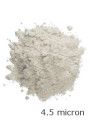
- Polymethylsilsesquioxane 4.5microns (Soft-Focus / Matte) 3%
- SPF Protect Ultra™ II 10%
- Zinc Oxide 35nm Liquid 10%
- Bisoctrizole (Compare to Tinosorb M) 5%
I have two specific questions regarding the ingredients:
- Between Polymethylsilsesquioxane 4.5microns (Soft-Focus / Matte) and QuikBlur™, which one provides the most natural look? The objective is to blur pores and make the skin appear smooth.
- Between WaterGuard™ Ultra and Silicone Film (Long-Wear, Hard, Cyclopentasiloxane Base), which one is more effective for high durability and water/sweat resistance, especially for swimming?
Please also provide any other recommendations.
Thank you.
Answer
Formulation Advice for High Water Resistance Sunscreen
Okay, I can help you with your sunscreen formulation questions for outdoor and water activities. You're aiming for SPF 50+ PA++++ with high durability and water/sweat resistance.
Here are the answers to your specific questions and some additional recommendations:
1. Polymethylsilsesquioxane 4.5microns vs. QuikBlur™ for Blurring
Both Polymethylsilsesquioxane 4.5microns and QuikBlur™ are used to provide a soft-focus or blurring effect, helping to minimize the appearance of pores and smooth the skin's look.
- Polymethylsilsesquioxane 4.5microns: This is a powder ingredient. It works by refracting light to create a soft-focus effect and also provides a silky, smooth feel. The powder form can also help absorb oil.
- QuikBlur™: This is a liquid dispersion form of Polymethylsilsesquioxane. It is designed for easy incorporation into formulas and provides an instant blurring effect. It also gives a soft, smooth, non-greasy feel.
For achieving a natural, blurred look and ease of use, QuikBlur™ might be slightly preferred as it is a liquid and designed for easy, instant blurring in various formulas. However, Polymethylsilsesquioxane 4.5microns is also effective and is already in your current formulation. If you are satisfied with the texture and blurring effect from the 4.5microns powder, you can continue using it. If you want to explore an easier-to-disperse liquid option that offers instant blurring, QuikBlur™ is a good alternative to consider, though it might slightly change the formula's texture compared to the powder.
2. WaterGuard™ Ultra vs. Silicone Film (Long-Wear, Hard, Cyclopentasiloxane Base) for Water Resistance
For high durability and water/sweat resistance, especially for activities like swimming, comparing WaterGuard™ Ultra and Silicone Film (Very Long-Wear, Hard, Cyclopentasiloxane Base) is key.
- WaterGuard™ Ultra (Gloss Film): This ingredient is described as an "extremely waterproof" polymer that forms a durable film. It is noted to last for several days if not washed off and is used in highly water-resistant applications like body paint.
- Silicone Film (Very Long-Wear, Hard, Cyclopentasiloxane Base): This silicone film-former provides "Extraordinarily long lasting" wear and is waterproof, commonly used in long-wear makeup like foundation.
Based on the descriptions emphasizing "extremely waterproof" and longevity even when exposed to water for extended periods, WaterGuard™ Ultra appears to offer a higher level of water resistance specifically suited for activities like swimming compared to the Silicone Film (Very Long-Wear) which is primarily focused on makeup longevity. Your current formula includes WaterGuard™ Ultra at 5%. For maximum water resistance for swimming, you might consider increasing the concentration of WaterGuard™ Ultra, as its description suggests higher usage rates (10-100%) for highly waterproof applications.
Other Recommendations
Your current formulation includes a good mix of ingredients for a durable, high-protection sunscreen:
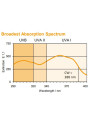
- Sunscreen Filters: You are using a combination of chemical (SPF Protect Ultra™ II), physical (Zinc Oxide 35nm Liquid), and hybrid (Bisoctrizole) filters, which provides broad-spectrum UVA/UVB protection.
- Boosters: PMMA Booster is included to enhance SPF/PA values.
- Film Formers: WaterGuard™ Ultra contributes to water resistance.
- Emulsification & Stability: SiliSolve Plus™ is a suitable W/O/Silicone emulsifier, and Magnesium Sulfate helps stabilize this type of emulsion.
- Texture & Feel: Silicones (Cyclomethicone/Cyclopentasiloxane, Dimethicone, Polymethylsilsesquioxane) and Isohexadecane contribute to the texture and feel, providing slip, smoothness, and a non-greasy feel.
- Antioxidant: Ethyl Ferulate provides antioxidant benefits and can help reduce UV-induced redness.
- Preservation: Mild Preserved Eco™ is a preservative-free option.
To ensure your formulation achieves SPF 50+ PA++++ and provides high water/sweat resistance for swimming, consider the following:
- Optimize Film Former Concentration: As mentioned, increasing the concentration of WaterGuard™ Ultra might be necessary to achieve the desired level of water resistance for swimming. Refer to the ingredient's recommended usage rates for highly waterproof applications.
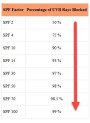
- In-vivo Testing: The most crucial step is to perform in-vivo SPF and water resistance testing on your final formulation. This is the only way to confirm that it meets the SPF 50+ PA++++ claim and provides the required level of water resistance for your intended use (e.g., 40 or 80 minutes water resistance). The concentrations of sunscreen filters and film formers will directly impact these results.
- Texture Adjustment: Increasing film formers might affect the texture. You may need to adjust the levels of silicones or emollients like Isohexadecane to maintain a desirable feel.
- Stability Testing: Ensure the formula remains stable over time and under different temperature conditions, especially after adjusting ingredient concentrations.
By carefully considering the roles of the film-forming ingredients and conducting appropriate testing, you can develop a sunscreen formulation that meets your requirements for high protection and water resistance during outdoor and water activities.
Related Products Mentioned
Butylene Glycol
SiliSolve Plus™
Zinc Oxide 35nm Liquid
Mild Preserved Eco™ (Preservative-Free)
Isohexadecane

SPF Protect Ultra™ II
Dimethicone (Very Light/5, Low-Odor)
Gloss Film (Water/Alcohol Base)