Toothpaste Formulation: Thickening, Preservation, and Foaming
Question
In toothpaste formulation, what ingredients are used for thickening the texture, which preservatives are safe for oral use, and which surfactant is used for foaming?
Answer
Toothpaste Formulation Guide
Creating toothpaste involves selecting appropriate ingredients for texture, preservation, and foaming.
1. Thickening Agents for Toothpaste Texture
To achieve the desired paste consistency, you need thickening agents. Some suitable options include:
- Sepimax Zen: This is a water-soluble thickener that is highly tolerant to salt and pH variations, making it effective for creating a gel texture in the water phase of your formula.
- Hydroxyethyl Acrylate/Sodium Acryloyldimethyl Taurate Copolymer: This thickener works without needing heat and is effective across a wide pH range (3-12), also suitable for creating gel textures.
- Hydrated Silica (Standard-Cleaning): While primarily an abrasive for cleaning, this type of Hydrated Silica also contributes to the texture and can help create a clear gel appearance in toothpaste formulas.
- Sodium Stearate: This is often used as a texture builder or hardening agent in various products and dissolves in water, which could potentially be used to influence toothpaste texture.
2. Safe Preservatives for Toothpaste
Preservatives are crucial to prevent microbial growth in toothpaste. Consider these options:
- Cetylpyridinium chloride (CPC): This is a common antibacterial agent used in oral care products, including toothpaste, particularly for controlling bad breath. It also acts as a preservative.
- Preserve-BSB™: A broad-spectrum preservative system containing Benzyl Alcohol, Sodium Benzoate, and Potassium Sorbate. It is effective in formulas with a pH up to 5.5 and is suitable for rinse-off products like toothpaste.
- Global Guard™ 221: A water-soluble, broad-spectrum preservative (Dehydroacetic Acid & Benzyl Alcohol) effective in a pH range of 2-7.
- NaturePreserve™ Ultra: A natural preservative blend (Gluconolactone & Sodium Benzoate) that works in a pH range of 3-6 and is heat tolerant.
- Probio-Protect™: A probiotic-derived preservative (Lactobacillus Ferment) that can be used in formulas marketed as "preservative-free" and offers some moisturizing benefits.
When choosing a preservative, ensure it is safe for oral use and compatible with the pH of your final toothpaste formula.
3. Surfactants for Foaming
Surfactants create the foam that helps distribute the toothpaste and clean the teeth.
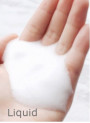
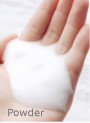
- Cond-Foam™ (Sodium Lauroyl Sarcosinate): Available in both liquid and powder forms, this is a highly gentle detergent commonly used in toothpaste. It is known for not being bitter and producing good foam, especially in formulas with a pH between 5-6.
Using Sodium Lauroyl Sarcosinate is a popular choice for toothpaste due to its mildness and effectiveness in creating foam suitable for oral care.
Related Products Mentioned

Cetylpyridinium chloride (CPC)
Sodium Stearate (Powder, 10-15% Water)
Sepimax Zen
Global Guard™ 221 (pH 2-7, Natural)
Sodium Stearate (Powder, 1-5% Water)