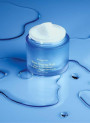
Troubleshooting Serum Formulation: Separation and Discoloration Issues
Question
Currently, I am developing a skin serum formulation with a texture that is "cloudy, similar to cream, but light, soft, and non-sticky". I am using several raw materials from your company.
I have encountered significant problems that recur after more than 5 trials:
- The texture separates after 1-2 weeks of storage, whether refrigerated or kept at room temperature.
- The color of the product gradually changes to dark yellow.
The list of raw materials used in the latest formula is as follows:
- Bakuchiol-Eco (Natural Retinol, 98% Pure, India): 1%
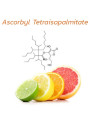
- Perfect-C (Ascorbyl Tetraisopalmitate): 5%
- Vitamin E (dl-alpha tocopherol): 0.5%
- Water Sleeping Mask Base (compare to Laneige): 40%
- Glass Moist (Oil-Free Glass Skin, 3 Day Fast Action): 10%
- ActiveRelease Centella Asiatica (Madecassic Acid, Asiatic Acid, Asiaticoside, Madecassoside): 1%
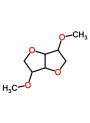
- Dimethyl Isosorbide (DMI): 3%
- Allantoin: 0.5%
- Aqua: 34%
- Protec OX (Pentaerythrityl tetra-di-t-butyl hydroxyhydrocinnamate): 0.3%
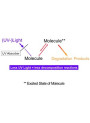
- Protec UV (Benzotriazolyl Dodecyl p-Cresol, e.q. Tinogard TL): 0.1%
- Protec SQ: 1.2%
- EDTA: 0.1%
- Mild Preserved Eco (Preservative-Free): 1.5%
- Lavender Provence: 0.1%
- MakeUp-Wash (PEG-6 Caprylic/Capric Glycerides): 1.7%
(The following ingredients must be kept due to marketing requirements, but their concentration can be changed: Bakuchiol-Eco, Perfect-C, Glass Moist (Oil-Free Glass Skin, 3 Day Fast Action), and Water Sleeping Mask Base).
I have attempted to adjust stabilizing agents and emulsifiers by trying Light Cream Maker, Sebum Off, and MakeUp-Wash (from the latest formula), and also experimented with changing the emulsifier phase, but the problems persist.
If I have overlooked anything, please provide guidance. Thank you in advance.
Answer
Troubleshooting Your Serum Formulation: Separation and Discoloration
Thank you for reaching out to us regarding the challenges you're facing with your serum formulation. Developing a stable, light, yet cloudy serum texture can be complex, especially with potent actives like Bakuchiol-Eco™ and Perfect-C™. The issues of phase separation and discoloration after storage are common stability problems in cosmetic formulations.
Based on the ingredients you are using, here are potential causes and recommendations to address these issues:
Phase Separation
Your formula aims for a cloudy, serum-like texture, which is essentially a light emulsion. The separation indicates that the emulsion is not stable over time.
- Emulsifier System: You are using MakeUp-Wash™ and have tried Light Cream Maker™ and Sebum-Off. MakeUp-Wash™ (PEG-6 Caprylic/Capric Glycerides) is often used as a solubilizer or co-emulsifier. It might not be providing sufficient emulsification power on its own or at the concentration used (1.7%) to create a stable emulsion with your oil phase (containing Bakuchiol-Eco™, Perfect-C™, Vitamin E, Protec™ SQ, and Lavender Provence). Light Cream Maker™ and Sebum-Off are also emulsifiers, but their suitability depends on the specific oil phase composition and desired texture.
- Recommendation: Re-evaluate your emulsifier system. Consider using a primary O/W emulsifier specifically designed for creating stable, low-viscosity emulsions or serums. You might need a blend of emulsifiers to achieve the desired texture and stability. Ensure the total emulsifier concentration is adequate for the percentage of your oil phase ingredients.
- Oil Phase to Water Phase Ratio: The balance between your oil-soluble ingredients (Bakuchiol-Eco™, Perfect-C™, Vitamin E, Protec™ SQ) and the water phase (Aqua, Allantoin, EDTA, Mild Preserved Eco™, and components from Water Sleeping Mask Base and Glass Moist™) is crucial for emulsion stability.
- Recommendation: Adjust the ratio of your oil phase to the water phase and ensure your emulsifier system is balanced to handle this ratio.
- Ingredient Compatibility: Ingredients like Dimethyl Isosorbide (DMI) can sometimes affect emulsion stability, depending on the emulsifier system used. The complex nature of bases like Water Sleeping Mask Base and Glass Moist™ also needs to be considered for compatibility with your chosen emulsifiers and oil phase.
- Recommendation: Test the compatibility of your chosen emulsifier system with DMI and the specific bases at your target concentrations.
Discoloration (Yellowing)
The gradual yellowing of your serum is likely due to the oxidation of sensitive ingredients, primarily Perfect-C™ (Ascorbyl Tetraisopalmitate) and potentially Bakuchiol-Eco™.
- Oxidation of Actives: Perfect-C™ is a relatively stable Vitamin C derivative, but it can still oxidize, leading to yellow or brown discoloration. Bakuchiol-Eco™ can also be sensitive to oxidation.
- Recommendation: Enhance your antioxidant protection. While you have Protec™ OX, Protec™ UV, Vitamin E, and EDTA, the concentration or combination might not be sufficient. Consider increasing the concentration of Protec™ OX or adding other potent oil-soluble antioxidants. EDTA helps by chelating metal ions that catalyze oxidation.
- pH Level: The stability of Perfect-C™ is influenced by pH.
- Recommendation: Check the optimal pH range for Perfect-C™ stability (usually slightly acidic to neutral) and ensure your final formulation's pH falls within this range.
- Manufacturing and Packaging: Exposure to oxygen, light, and heat during manufacturing and storage can accelerate oxidation.
- Recommendation: Minimize air incorporation during mixing. Consider using packaging that limits exposure to light and air, such as opaque airless pump bottles. Store the product in a cool, dark place.
Next Steps
We recommend focusing on optimizing your emulsifier system and enhancing antioxidant protection. Conduct small-scale stability tests with variations in emulsifier type, concentration, and antioxidant levels. Pay close attention to the manufacturing process to ensure proper emulsification and minimize air exposure.
We hope these recommendations help you achieve a stable and effective serum formulation!
Related Products Mentioned

Allantoin
Vitamin E (dl-alpha tocopherol)
Light Cream Maker™
Disodium EDTA

Mild Preserved Eco™ (Preservative-Free)

Protec™ SQ
Dimethyl Isosorbide (DMI)
Sebum-Off (Polyglyceryl-10 Laurate)