Vitamin C Ester & AA2G: pH Stability, Solubility, and Formulation
Question
- What is the stable pH range for Vitamin C Ester (L-Ascorbyl Palmitate)?
1.1 Can 8% Vitamin C Ester be dissolved in LipidSoft?
1.2 If the pH stability is similar to AA2G, can they be used together? - If using 10% AA2G (Ascorbyl Glucoside) and adjusting the pH with other bases such as Sodium Lactate, Urea, TEA, Sodium Bicarbonate, L-Arginine (selecting only some suitable ones) by starting with Water + AA2G 10% and then adding other ingredients, measuring the pH until it reaches 6.5-6.8, will this also yield stable and effective results?
2.1 Is it necessary to mix AA2G with water and then add alkali to adjust the pH afterwards, or should the water and alkali ingredients be adjusted first before adding AA2G? Or can any mixing method be used, as long as the final formula's pH is within the recommended range? Is this correct?
Answer
Vitamin C Ester and AA2G Formulation Questions
Here are the answers to your questions regarding Vitamin C Ester and AA2G formulations:
Vitamin C Ester (Ascorbyl Palmitate) pH Stability: The description for Vitamin C Ester (Ascorbyl Palmitate) does not specify a precise stable pH range. It is an oil-soluble form of Vitamin C noted for being more stable than L-Ascorbic Acid due to its insolubility in water, which reduces oxidation. It is typically incorporated into the oil phase of formulations like lotions or creams.
- Solubility in LipidSoft: Vitamin C Ester has limited solubility in natural oils (0.03-0.12%). While LipidSoft is an emollient/ester, dissolving 8% Vitamin C Ester might be difficult at room temperature. The description suggests mixing it into the oil phase at 70°C for easier incorporation.
Combining Vitamin C Ester and AA2G: Vitamin C Ester is oil-soluble, while AA2G (Ascorbyl Glucoside) is water-soluble and requires a specific pH range of 6.5-6.8 for optimal stability. Combining these two ingredients in an emulsion (like a cream or lotion) is possible, but maintaining the stability and efficacy of both can be challenging due to their different solubility profiles and potentially different optimal pH requirements. The description for AA2G specifies its stable pH range, but the optimal pH for Vitamin C Ester is not provided. Careful formulation and stability testing would be necessary to ensure both ingredients remain effective when used together.
AA2G Formulation with pH Adjusters: Yes, using 10% AA2G and adjusting the final pH of the formula to the stable range of 6.5-6.8 using appropriate bases like Sodium Lactate, Urea, Triethanolamine, Sodium Bicarbonate, or L-Arginine will help ensure the stability and efficacy of AA2G. These ingredients can be used to increase the alkalinity and bring the pH into the desired range.
AA2G Mixing Order: The mixing order is important for AA2G stability. AA2G is acidic when dissolved in water, and prolonged exposure to low pH can cause it to deteriorate. The recommended method is to first prepare the water phase with any buffer (like Citrate Buffer) or pH-controlling ingredients (like L-Arginine mixed with AA2G at a 1:2 ratio before dissolving), then add the AA2G, and finally adjust the pH to 6.5-6.8 using an alkali like Triethanolamine or Sodium Hydroxide. Simply ensuring the final pH is correct is not sufficient; the process of reaching and maintaining that pH is key.
Related Products Mentioned
Triethanolamine 99%
Sodium Lactate (60% Liquid, Natural)
Urea (High Purity, Cosmetics, Powder)
Sodium Bicarbonate
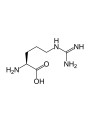
L-Arginine