Vitamin C Gel Essence Formulation & Stability
Question
How can I formulate a stable, clear gel essence containing 15-20% L-Ascorbic Acid, Vitamin E, and Ferulic Acid, similar to the concept of the Vitamin C E Ferulic product/kit? What are the key ingredients and general mixing steps involved, especially considering the stability challenges of L-Ascorbic Acid?
Answer
Vitamin C Gel Essence Formulation (100ml)
Creating a stable essence with L-Ascorbic Acid (Vitamin C) can be challenging because it is prone to oxidation when dissolved in water. The suggestion to use a combination with Vitamin E and Ferulic Acid, like in the Vitamin C E Ferulic kit, is a good approach as this combination is known to enhance stability and efficacy.
To make a 100ml clear gel essence with 15-20% L-Ascorbic Acid, you will need several key ingredients:
Key Ingredients:
- L-Ascorbic Acid (Vitamin C Powder): You can use Vitamin C (L-ascorbic acid) (Ultra-Fine), Vitamin C (L-ascorbic acid) (Fine), or Vitamin C (L-ascorbic acid) (Standard). For a 15% concentration, you will need 15g. For a 20% concentration, you will need 20g. The Ultra-Fine grade dissolves most easily.
- Solvent System: This typically involves purified water and a glycol like Propylene Glycol or Ethoxydiglycol to help dissolve the L-Ascorbic Acid and Ferulic Acid.
- Antioxidants/Stabilizers:
- Pure-Ferulic Acid™: Helps stabilize Vitamin C and provides antioxidant benefits. Typically used at 0.5-1%.
- Vitamin E (dl-alpha tocopherol): Another powerful antioxidant that works synergistically with Vitamin C and Ferulic Acid. Typically used at 0.5-1%.
- Gelling Agent: To create the clear gel texture. You need one that is effective at the low pH required for L-Ascorbic Acid stability (pH 2.5-3.5). Suitable options include:
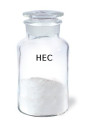
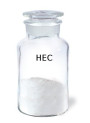
- Hydroxyethyl Cellulose (HEC): Available in different viscosities like Hydroxyethyl Cellulose (HEC) (4500mPa.s), Hydroxyethyl Cellulose (HEC) (2800mPa.s), or Hydroxyethyl Cellulose (HEC) (2000mPa.s) (Super Clear Gel). Usage rate is typically 0.5-3% depending on desired thickness. HEC requires heating to dissolve properly.
- Poly-Protect (Hydrolyzed Sclerotium Gum): A natural option that can create a gel texture. Typically used at 0.5-2%. Avoid heat over 60°C.
- pH Adjuster: An acidic ingredient like Citric Acid solution is essential to lower the pH to the optimal range of 2.5-3.5 for L-Ascorbic Acid stability and skin absorption.
- Preservative: A broad-spectrum preservative effective at low pH is necessary to prevent microbial growth.
- Chelating Agent (Recommended): Ingredients like Disodium EDTA can help by binding metal ions that can degrade L-Ascorbic Acid.
General Mixing Steps:
- Prepare your solvent system (water and glycols).
- Carefully dissolve the L-Ascorbic Acid, Ferulic Acid, and Vitamin E in the solvent system. Ferulic Acid may require gentle warming and/or a co-solvent like Ethoxydiglycol to fully dissolve.
- If using HEC as the gelling agent, heat the water phase to around 70°C and slowly add the HEC while stirring continuously until a gel forms and it is fully dissolved. If using Sclerotium Gum, add it to the water phase and mix without exceeding 60°C.
- Once the gel base is formed and cooled (if heated), incorporate the dissolved Vitamin C, Ferulic Acid, and Vitamin E mixture.
- Add the preservative and chelating agent (if using).
- Crucially, measure the pH of the mixture using a pH meter or reliable pH strips.
- Slowly add a Citric Acid solution drop by drop, mixing well after each addition, until the pH is in the range of 2.5-3.5.
- Mix thoroughly to ensure all ingredients are evenly distributed.
- Package the essence in an opaque, airtight container to protect it from light and air, which can cause oxidation.
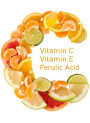
The Vitamin C E Ferulic kit is designed to simplify this process by providing pre-measured ingredients and instructions for a stable serum, which could be a good starting point before attempting to create a gel version from individual ingredients.
Remember that formulating with L-Ascorbic Acid requires careful attention to pH, ingredient compatibility, and storage conditions to maintain its effectiveness and stability.
Related Products Mentioned
Vitamin C E Ferulic
Pure-Ferulic Acid™
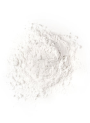
Vitamin C (L-ascorbic acid) (Ultra-Fine)
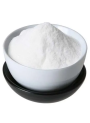
Vitamin C (L-ascorbic acid) (Fine)
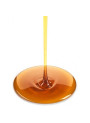
Vitamin E (dl-alpha tocopherol)

Vitamin C (L-ascorbic acid) (Standard)
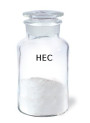
Hydroxyethyl Cellulose (HEC) (4500mPa.s)
Poly-Protect (Hydrolyzed Sclerotium Gum)