Whitening Serum Formulation: Texture, Emulsification, and Ingredient Solubility
Question
I have the following formula and would like advice on achieving a liquid serum texture, emulsification, ingredient dissolution, and texture adjustment without silicones:
Formula:
- Water: q.s. to 100%
- EDTA: 0.2%
- Coffee Extract: 3%
- Tranexamic Acid: 3%
- 4MSK: 3%
- Satin Cream Maker: 0.5%
- Fractionated Coconut Oil: 3%
- LHA: 1%
- MSH White: 2%
- Activated Resorcinol: 1%
- Perfect C: 5%
- Tocotrienol: 0.5%
- Milk Thistle: 1%
- Microcare: 1%
Mixing Procedure:
- Combine Water, EDTA, Coffee Extract, Tranexamic Acid, 4MSK, and Satin Cream Maker. Stir until combined.
- Combine Fractionated Coconut Oil and LHA. Use heat to help dissolve.
- Add MSH White (powder), Activated Resorcinol, Perfect C, Tocotrienol, and Milk Thistle to the oil phase mixture. Stir until combined.
- Add the oil phase mixture to the water phase. Stir until combined.
- Add Microcare.
Specific Questions:
- I want a liquid whitening serum texture. Is 0.5% Satin Cream Maker sufficient to emulsify and stabilize the formula, given the relatively high oil phase? I haven't formulated a serum with this much oil before.
- Do I need to use Fractionated Coconut Oil to dissolve the oil-soluble ingredients (specifically LHA)? Is 3% sufficient?
- With this total oil phase percentage, will the texture be greasy? How should I adjust the texture to be light and non-greasy without using silicones?
- If I use alcohol to help with texture, what is the maximum percentage I should use?
My skin type is combination, dull, with freckles and dark spots from acne.
Please advise on any other necessary adjustments to the formula.
Thank you.
Answer
Formula Review and Texture Adjustment Advice
Thank you for sharing your formula for a whitening serum. It contains a powerful blend of ingredients targeting dullness, freckles, and dark spots. Let's review the formula and address your questions regarding texture and stability.
Your formula includes the following ingredients:
- Water: q.s. to 100%
- EDTA: 0.2%
- Coffee Extract: 3%
- Tranexamic Acid: 3%
- 4MSK: 3%
- Satin Cream Maker: 0.5%
- Fractionated Coconut Oil: 3%
- LHA: 1%
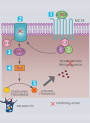
- MSH White: 2%
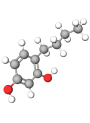
- Activated Resorcinol: 1%
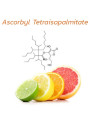
- Perfect C: 5%
- Tocotrienol: 0.5%
- Milk Thistle: 1%
- Microcare: 1%
The total percentage of oil-like components (Fractionated Coconut Oil, LHA, Perfect C, Tocotrienol) is approximately 9.5%.
Here are answers to your specific questions and recommendations:
Satin Cream Maker at 0.5%: Using 0.5% Satin Cream Maker is likely insufficient to create a stable emulsion for a formula with approximately 9.5% oil phase. This low concentration will likely result in the formula separating over time, rather than forming a stable serum texture. You will need to increase the concentration of Satin Cream Maker or add a co-emulsifier/thickener to achieve stability.
Fractionated Coconut Oil and LHA Dissolution: Fractionated Coconut Oil is a good light carrier for oil-soluble ingredients like Perfect C and Tocotrienol. 3% might be enough to dissolve them, but LHA (Capryloyl Salicylic Acid) is difficult to dissolve in oil alone. While heat helps, 3% FCO might not be sufficient to fully dissolve 1% LHA, and it may recrystallize. LHA is typically better dissolved in polar solvents like ethanol or specific esters.
Greasiness and Texture Adjustment (without silicones): With a ~9.5% oil phase, the formula could feel heavy or greasy, especially if the emulsion is unstable. To make the texture lighter and non-greasy without silicones:
- Increase Emulsifier/Add Thickener: Increase the percentage of Satin Cream Maker (e.g., to 1-2%) or add a water-phase thickener (like Xanthan Gum or Carbomer at 0.1-0.5%) to improve emulsion stability and viscosity. A stable emulsion feels lighter.
- Adjust Oil Phase: Ensure the oil phase ingredients are light esters or oils like FCO.
- Consider Solvents for Actives: Using a suitable solvent for LHA can help ensure it's fully dissolved, contributing to a smoother texture.
Maximum Alcohol Percentage: If you use alcohol (Ethanol) to help dissolve LHA or improve texture, keep the concentration low to avoid dryness and irritation, especially for combination skin. A range of 3-5% is often used for solvent/texture purposes in facial products, but use the minimum amount needed.
Additional Recommendations:
- Potency and Irritation: Your formula contains a high concentration and variety of potent whitening actives. While this can be effective, it significantly increases the risk of skin irritation, redness, or sensitivity.
- Patch Test: Strongly recommend performing a patch test before applying the product to your face.
- pH Adjustment: Check and adjust the final pH of the formula. The efficacy and stability of many actives (Tranexamic Acid, 4MSK, LHA, Activated Resorcinol, Perfect C) and the preservative depend on the pH.
- Test Batch: Make a small test batch first to evaluate stability, texture, dissolution, and skin feel before making a larger quantity.
To achieve a stable, light serum texture, focus on improving the emulsification system by increasing the emulsifier or adding a water-phase thickener. Also, ensure LHA is properly dissolved, potentially using a suitable solvent.
Related Products Mentioned
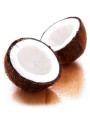
Fractionated Coconut Oil
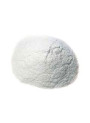
Disodium EDTA

Satin Cream Maker™

MSH White™ (Undecylenoyl phenylalanine)
Tranexamic Acid (Trans-White™)
4MSK (Potassium Methoxysalicylate)