Compatibility of Hyaluronic Acid, Alpha Arbutin, and Tranexamic Acid
Question
Can Hyaluronic Acid (such as Double Hyaluron Liquid), Alpha Arbutin, and Tranexamic Acid be used together in the same cosmetic formulation?
Answer
Compatibility of Hyaluronic Acid, Alpha Arbutin, and Tranexamic Acid in Formulations
Yes, Hyaluronic Acid, Alpha Arbutin, and Tranexamic Acid can generally be used together in the same cosmetic formulation. These ingredients are often combined to provide both hydration and skin brightening benefits.
- Hyaluronic Acid: Primarily functions as a hydrating agent, attracting and retaining moisture in the skin. Different molecular weights, such as Hyaluronic Acid (Standard Molecule) or Hyaluronic Acid (Large Molecule), can provide hydration at different levels of the skin surface. Products like 4D Hyaluronic Acid combine multiple molecular weights for comprehensive hydration.
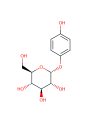
- Alpha Arbutin: A skin brightening ingredient that works by inhibiting tyrosinase, an enzyme involved in melanin production. It is water-soluble and typically requires a pH range of 3.5-6.5 for optimal stability and efficacy. Examples include Alpha Arbutin (Switzerland) and Alpha Arbutin (China, Powder, Enzymatic Synthesis).
- Tranexamic Acid: Another ingredient used for skin brightening and reducing the appearance of dark spots and redness. It is also water-soluble and generally stable within a pH range of 3-8. Products like Tranexamic Acid (Trans-White™) and Nano-TXA™ (Tranexamic Acid Nano Emulsion, Penetration Base) are available. Note that TXC™ (Cetyl Tranexamate HCl) is a related derivative but is oil-soluble.
When formulating with these ingredients, it is important to consider the recommended usage rates and pH stability ranges for Alpha Arbutin and Tranexamic Acid to ensure their effectiveness and prevent degradation. Hyaluronic Acid is generally compatible within a wide pH range (typically 3-9), making it suitable for combination with these brightening agents.
Updated Review: May 2026
This section was added after reviewing the original answer against current product availability and formulation knowledge at the stated point in time.
Update 2026-05-24: The original answer remains correct: Hyaluronic Acid/Sodium Hyaluronate, Alpha Arbutin, and regular Tranexamic Acid can generally be used together in the same cosmetic formula. For best practice, target the finished formula around pH 4.5–6.0, which fits within the suitable ranges for Alpha Arbutin, Tranexamic Acid, and common Hyaluronic Acid/Sodium Hyaluronate products.
For a water-based serum/gel, dissolve Alpha Arbutin and regular Tranexamic Acid completely in the water phase first, then hydrate or add Hyaluronic Acid powder, 4D Hyaluronic Acid, or Hyaluronic Acid Elastomer afterward. This reduces the risk of undissolved particles because high viscosity can slow powder dissolution. Avoid prolonged high heat after Alpha Arbutin is added, and keep Alpha Arbutin within the recommended use level.
Regular Tranexamic Acid is water-soluble. TXC™ (Cetyl Tranexamate HCl) is a different tranexamic derivative and should not be processed as a direct substitute, because it is glycol/oil-soluble rather than directly water-soluble. Nano-TXA™ should also be treated as its own nano-emulsion base and not mixed with oil or oil-soluble ingredients unless its product instructions allow it.
After combining these actives, always check the finished formula for pH, clarity/appearance, color change, viscosity, preservation, and overall stability. Use levels and claims should follow the current supplier documentation and the cosmetic regulations of the target market.
Related Products Mentioned
Alpha Arbutin (Switzerland)

Tranexamic Acid (Trans-White™)

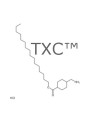
TXC™ (Cetyl Tranexamate HCl)

4D Hyaluronic Acid