2-in-1 Body Wash & Shampoo Formulation Separation and Performance Issues
Question
I am developing a 2-in-1 body wash and shampoo formulation. The mixture separates after about 20 hours, as shown in the attached image.
Formulation Ingredients:
Sulfate Free Shampoo Base25%Polyglyceryl-4 Caprate5%Encapsulated Salicylic Acid5%WaterLock1%Condi-B51%Mild Preserved Eco1%Fragrance1%- Water up to 100%
Mixing Procedure:
Add ingredients 1, 2, 3, 6, 4, 5, and 7 in order and mix manually.
I have the following questions:
- The mixture separates after standing for about 20 hours. How can I fix this?
- The foam feels a bit low. Can I add
Foaming Tea5%? How should I incorporate it with the existing ingredients? - Comparing the current combination of
WaterLock1% andCondi-B51% withHair Wheat Protein1%, which is likely to provide a softer feel to the hair without leaving the skin sticky? - Comparing the effectiveness of
Encapsulated Salicylic Acid5% versusDandruff-Clear0.1% for treating dandruff and acne. Should I use them together, and if so, at what concentrations? Currently, I have to wash my hair daily; otherwise, my scalp becomes oily, itchy, and dandruff appears very easily, even if I skip washing for just one day. - My hair breaks and falls out very easily. Are there any additional ingredients you would recommend adding to the body wash/shampoo, or should I address this with a separate product?
Answer
Formulation Feedback and Suggestions
Here is some feedback on your 2-in-1 body wash and shampoo formulation and answers to your questions:
1. Separation Issue
The separation you are observing is likely due to incompatibilities between the ingredients in your formula. Your formula contains a Sulfate Free Shampoo Base (which includes anionic/amphoteric surfactants) along with several cationic ingredients: Encapsulated Salicylic Acid, WaterLock, and Condi-B5. Cationic ingredients can interact negatively with anionic surfactants, leading to instability, precipitation, and separation over time.
To improve stability, consider the following:
- Mixing Order: Ensure cationic ingredients are properly dispersed in water or a compatible solvent before adding them to the main surfactant base. Adding them slowly with continuous, adequate mixing is crucial.
- pH Adjustment: Check the final pH of your formula. While the Sulfate Free Shampoo Base is around pH 6.5-7.5, some cationic ingredients like Condi-B5 prefer a pH below 7.0 for dissolution and stability. Adjusting the final pH slightly below 7.0 might help.
- Ingredient Concentration: High concentrations of incompatible ingredients increase the likelihood of separation. While your current concentrations are within typical usage rates, the combination might be problematic.
- Thickener Compatibility: If you are using any thickeners not listed, ensure they are compatible with cationic ingredients. The description for Encapsulated Salicylic Acid specifically warns against certain anionic thickeners.
2. Adding Foaming Tea
You can add Foaming Tea at 5% to your formula. This is within its recommended usage rate (5-20%). Foaming Tea is a natural surfactant derived from tea plants.
How to mix: Dissolve the Foaming Tea powder in the water phase of your formula before combining it with the other ingredients.
Keep in mind that while Foaming Tea will contribute to foam, its foaming power is generally lower than synthetic surfactants. Also, adding another component to a formula already experiencing separation issues might further complicate stability. It's advisable to resolve the separation issue first before adding new ingredients.
3. Hair Conditioning Comparison (WaterLock + Condi-B5 vs. Hair Wheat Protein)
Both the combination of WaterLock (1%) and Condi-B5 (1%) and Hair Wheat Protein (1%) are designed to provide conditioning benefits to hair.
- WaterLock (Polyquaternium-51) helps prevent moisture loss and provides a slippery feel.
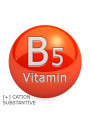
- Condi-B5 (Panthenyl Hydroxypropyl Steardimonium Chloride) is a modified Vitamin B5 that clings well to hair and provides conditioning without significantly reducing foam.
- Hair Wheat Protein (Hydroxypropyltrimonium Hydrolyzed Wheat Protein) is a cationic protein that holds onto hair well and provides softness.
Your current combination of WaterLock and Condi-B5 at 1% each provides a balanced approach, offering moisture retention, slip, cling, and conditioning. Hair Wheat Protein at 1% is also an effective hair conditioner focused on softness. Without direct comparative testing in your specific formula, it's difficult to say definitively which would feel softer without stickiness. However, the current combination is likely providing a good level of conditioning for a 2-in-1 product.
4. Dandruff and Acne Control (Encapsulated Salicylic Acid vs. Dandruff-Clear)
Both Encapsulated Salicylic Acid and Dandruff-Clear are effective ingredients for addressing dandruff and acne, but they work through different mechanisms.
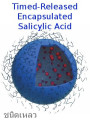
- Encapsulated Salicylic Acid (at 5%, providing 1.5% active Salicylic Acid) exfoliates the skin and has anti-microbial properties, helping to clear clogged pores and reduce dandruff. Its encapsulated form provides a gentler, timed release.
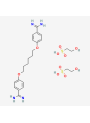
- Dandruff-Clear (Hexamidine diisethionate) is a potent fungicide and germicide that is cationic, allowing it to remain on the scalp and skin after rinsing for a residual effect. It is effective against the microbes that contribute to dandruff and acne.
Given your experience with oily, itchy scalp and easy dandruff formation, using both ingredients could potentially offer a more comprehensive approach by combining exfoliation/broad anti-microbial action (Salicylic Acid) with targeted, residual anti-fungal/bacterial action (Dandruff-Clear).
However, as mentioned regarding the separation issue, both Encapsulated Salicylic Acid and Dandruff-Clear are cationic. Adding Dandruff-Clear to your already unstable formula containing other cationic and anionic ingredients is likely to worsen the separation problem.
If you need to choose one for stability reasons, Encapsulated Salicylic Acid at 5% is a good multi-functional ingredient for a wash-off product targeting both issues. If you prioritize the residual anti-fungal effect, Dandruff-Clear at 0.1% is highly effective at its recommended low dose, but its compatibility in your base is questionable.
To use them together effectively, you would need to reformulate to ensure compatibility, potentially by adjusting the base or using different thickeners/emulsifiers that are stable with cationic ingredients.
5. Hair Loss
For significant hair loss concerns, a wash-off product like a shampoo/body wash typically has limited effectiveness because the contact time with the scalp is short. While maintaining a healthy scalp environment through cleansing can be beneficial, addressing hair loss often requires active ingredients that are left on the scalp for extended periods to penetrate and work on the hair follicles.
Ingredients that help strengthen the hair shaft (like proteins) can be included in a shampoo, but for promoting hair growth or reducing shedding, a dedicated leave-on scalp treatment (such as a serum or tonic) containing proven hair growth actives would generally be more effective.
Related Products Mentioned
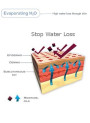
WaterLock™ (Polyquaternium-51)
Mild Preserved Eco™ (Preservative-Free)
Foaming Tea (Natural Surfactant)