Acetyl Hydroxyproline vs Ceramide NP: Ceramide Synthesis & Watery Essence Use
Question
Can the ingredient (Acetyl Hydroxy[url=http://www.myskinrecipes.com/shop/%E0%B8%81%E0%B8%A3%E0%B8%94%E0%B8%AD%E0%B8%A1%E0%B8%B4%E0%B9%82%E0%B8%99/6040-l-proline.html:20uqsg43]Proline[/url:20uqsg43]) function to create ceramides? If so, can it be included in a clear watery essence texture (like a "น้ำตบ" type Hya product)? And how does it differ from Ceramide NP?
Answer
Understanding Acetyl Hydroxyproline and Ceramides
Let's break down the differences and uses of Acetyl Hydroxyproline and Ceramide NP.
Acetyl Hydroxyproline and Ceramide Synthesis
Yes, N-Acetyl-L-Hydroxyproline (Acetyl Hydroxyproline) has research showing it can stimulate the skin's own synthesis of ceramides. This means it helps your skin produce more of these important lipids naturally, contributing to a stronger skin barrier.
Use in Clear Watery Essence
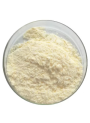
Acetyl Hydroxyproline is a water-soluble powder. It can be used in various water-based formulations like serums, lotions, and gels, which includes clear watery essences (like a watery 'น้ำตบ').
However, it's important to note that Acetyl Hydroxyproline is acidic and will lower the pH of your formula. You will need to adjust the pH to be within the recommended range of 4-10 (ideally not lower than 4) using a suitable pH adjuster like Triethanolamine or a buffer to ensure stability and efficacy.
Difference between Acetyl Hydroxyproline and Ceramide NP
The main difference lies in their function and nature:
- N-Acetyl-L-Hydroxyproline (Acetyl Hydroxyproline): This is an amino acid derivative. Its primary function related to ceramides is to stimulate the skin's natural ceramide production. It also has benefits for stimulating collagen synthesis and reducing skin itching.
- Ceramide NP (also known as Ceramide 3): This is a specific type of ceramide lipid that is a natural component of the skin barrier. When you add Ceramide NP to a formulation, you are directly replenishing the skin's ceramide levels. It is primarily used for barrier repair, moisturization, and soothing sensitive or dry skin.
In summary, Acetyl Hydroxyproline encourages your skin to make more ceramides, while Ceramide NP directly adds ceramides to the skin barrier. They work through different mechanisms but both contribute to improving skin barrier health.