Achieving Oil-Free Cream Texture with Satin Mousse and Alternatives
Question
Based on the formula containing:
- B3 5%
- Arbutin 2%
- NAG 4%
I want to achieve a white cream texture while keeping the formula oil-free. I previously used Light Cream Maker and recently tried Satin Mousse, but when used without an oil phase, it resulted in a cloudy gel instead of a white, pearly cream as expected from the website description. How can I modify the process or formula to achieve an oil-free white cream texture? Can a silicone base gel help achieve a cream-like texture without oil?
Answer
Achieving an Oil-Free Cream Texture
You're looking to create a white cream texture for your formula containing Vitamin B3 (Niacinamide) 5%, Arbutin 2%, and NAG (Acetyl Glucosamine) 4%, specifically wanting an oil-free product. You've found that using Satin Cream Maker resulted in a cloudy gel, and you're wondering how to achieve a cream texture without oil and if silicone base gel can help.
Why Satin Cream Maker Resulted in a Gel
Emulsifiers like Satin Cream Maker and Light Cream Maker are designed to create an emulsion by binding together an oil phase and a water phase. A traditional cream is essentially an oil-in-water emulsion. When you use these emulsifiers in a formula that contains only a water phase (oil-free), they primarily act as thickeners, leading to a gel or thickened liquid texture rather than a white, creamy emulsion.
As the staff reply mentioned, to achieve a true cream texture with these types of emulsifiers, an oil phase is necessary. They suggested adding a small amount of a light oil like Fractionated Coconut Oil (Caprylic/Capric Triglyceride) at around 3% to enable the emulsifier to form a cream.
Oil-Free Cream Texture Alternatives
Achieving a true oil-in-water cream texture (an emulsion) without any oil phase is generally not possible with standard emulsifying systems. The term "oil-free cream" often refers to formulations that use alternative ingredients to create a texture and feel similar to a cream, even though they are not traditional emulsions.
Silicone Gels: You asked about silicone base gel. Silicone gels, such as Silicone Gel (Medium Matte, Dimethicone Base), can indeed provide a smooth, non-greasy, cream-like feel and can be opaque (white/milky). They are not water-based emulsions but rather silicone-based systems that can offer excellent spreadability and a pleasant skin feel without the oiliness of traditional creams. While they can give a cream-like appearance and texture, they function differently than an O/W cream.
Polymer Thickeners: Some advanced polymer thickeners can create very viscous, almost cream-like gel textures in oil-free systems. However, achieving a truly opaque white appearance usually requires an emulsified oil phase or the addition of opacifiers/pigments, which might alter the oil-free nature or desired texture.
Recommendation
If you are strictly aiming for an oil-free formula, you will likely achieve a gel or serum texture, even if it's quite viscous. If a cream texture is the priority, you would need to include a minimal oil phase. Adding a light, non-comedogenic oil like Fractionated Coconut Oil (Caprylic/Capric Triglyceride) at a low percentage (e.g., 3%) as suggested by the staff, would allow Satin Cream Maker or Light Cream Maker to form a proper cream emulsion while keeping the formula relatively light.
If you prefer to remain completely oil-free but want a smooth, non-greasy, cream-like feel and an opaque appearance, exploring silicone gels could be a suitable option, keeping in mind they are not traditional creams.
Your positive experience with the silicone-based sunscreen suggests you may find the texture provided by silicone gels appealing for your oil-free goal.
Related Products Mentioned
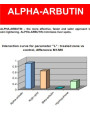
Alpha Arbutin (Switzerland)
Safe-B3™ (Vitamin B3, Niacinamide)
GlucoBright™ (Acetyl Glucosamine)
Light Cream Maker™
Fractionated Coconut Oil