Achieving Whipped Cream Foam in Glycerin Bar Soap
Question
What ingredients and percentages can be added to a glycerin bar soap base to create a whipped cream foam texture?
Answer
Improving Glycerin Soap Base to Achieve Whipped Cream Foam
To make glycerin bar soap produce a denser, more stable foam with a whipped cream-like texture, it is usually necessary to add other types of surfactants to the original soap base. These ingredients act as foam boosters or help improve the foam's texture and stability.
Based on the information found, several surfactants can be used for this purpose, each with different properties and recommended usage ranges (please note that these percentages are general usage rates in cleansing products, not specific rates for achieving whipped cream foam in a glycerin soap base, which may require formulation experimentation):
- Cocamidopropyl Betaine: An amphoteric surfactant that is mild and helps create fine, smooth foam. It is commonly used as a secondary surfactant to boost foam. General usage rate is 4-40%.
- IseFoam™ (Sodium Lauroyl Methyl Isethionate): A very mild anionic surfactant that produces good foam. General usage rate is 1-15%.
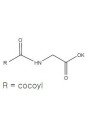
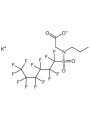
- Sodium Cocoyl Glycinate and Potassium Cocoyl Glycinate: Amino acid-derived surfactants that are highly mild and produce a large amount of soft foam. General usage rate is 5-40% for Sodium Cocoyl Glycinate and 5-30% for Potassium Cocoyl Glycinate.
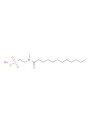
- Sodium Lauroyl Methyl Taurate: A mild anionic surfactant from amino acids that provides good lather. General usage rate is 5-30%.
- Sodium Lauroyl Lactylate: A mild anionic surfactant that acts as a foam booster and stabilizer. General usage rate is 0.5-5%.
- Cocamidopropylamine Oxide: An effective foam-boosting surfactant that also offers conditioning, thickening, and stabilizing properties. General usage rate is 1-30%.
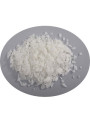
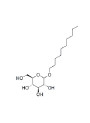
- Lauryl Glucoside, Coco Glucoside, and Decyl Glucoside: Non-ionic surfactants of natural origin that are highly mild. However, these Glucoside-based surfactants generally do not produce a large amount of foam on their own. They are often used in combination with other surfactants that provide good foam to increase mildness and improve foam texture. General usage rate is 5-25%.
- Caprylyl/Capryl Glucoside: A non-ionic surfactant used in cleansing products. General usage rate is 1-10%.
- Sodium Stearate: Although Sodium Stearate (general usage rate 1-30%) is a component of soap and contributes to hardness and texture, adding more to a finished glycerin soap base may not directly create whipped cream foam as effectively as adding other foam-boosting surfactants.
Considerations for Creating Whipped Cream Foam:
- Selecting Surfactants: Combining several surfactants often yields the best results for creating dense, stable, whipped cream-like foam. You might use a primary surfactant that provides good foam along with foam boosters and stabilizers.
- Percentage: The usage rates above are general recommendations for typical applications. The exact percentage needed to achieve a specific whipped texture in a glycerin soap base is not provided by the tools and requires formulation experimentation. Start with small amounts within the recommended ranges and gradually adjust until the desired foam texture is achieved.
- Mixing Method: Incorporating surfactants into a glycerin soap base may require gentle heating to ensure proper blending. Mix gently to avoid incorporating too much air and creating excessive foam during the mixing process itself.
- Sodium Stearate: While Sodium Stearate is part of soap and affects texture, adding more to a finished glycerin base might not be as effective for creating whipped foam as adding dedicated foam-boosting surfactants.
In summary, to create whipped cream foam in glycerin bar soap, add foam-boosting and stabilizing surfactants like Cocamidopropyl Betaine, Glycinates/Taurates, Sodium Lauroyl Lactylate, or Cocamidopropylamine Oxide. These can be used with other mild surfactants like Glucosides. Determining the optimal percentage requires formulation experimentation.
Related Products Mentioned
Cocamidopropyl Betaine
Lauryl Glucoside
Coco Glucoside
Caprylyl/Capryl Glucoside
Sodium Cocoyl Glycinate
Sodium Stearate (Powder, 10-15% Water)
Decyl Glucoside
Potassium Cocoyl Glycinate (Pure Solid)
Sodium Stearate (Powder, 1-5% Water)