Acne Clearing Wash-Off Mask Formulation and Enhancement
Question
I would like to inquire about the formulation and method for an acne clearing wash-off face mask. Can additional acne-fighting ingredients be added? The mask is applied and then washed off. The provided formula is:
- Water (Aqua)
- Kaolin
- Bentonite
- Glycerine
- Zinc Oxide
- Propylene Glycol
- Sulfur
- Chromium Oxide Green (Cl#77288)
- Fragrance (Parfum)
- Phenoxyethanol
- Methylparaben
Answer
Acne Clearing Wash-Off Mask
Your formula contains several ingredients commonly used in clay masks for acne-prone skin:
- Water: The base of the mask.
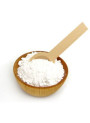
- Kaolin and Bentonite: These are types of clay that help absorb excess oil and impurities from the skin, which can be beneficial for acne.
- Glycerin and Propylene Glycol: These act as humectants, helping the mask retain some moisture so it doesn't dry out completely and become too tight on the skin. Propylene Glycol also acts as a solvent, helping to dissolve other ingredients.
- Zinc Oxide: Known for its soothing and antiseptic properties, Zinc Oxide can help calm irritated skin and aid in acne treatment.
- Sulfur: BioSulphur™ EQ is a water-soluble form of sulfur that helps reduce skin oiliness, exfoliate dead skin cells, and reduce redness associated with acne.
- Chromium Oxide Green: This is a pigment used for coloring the mask green.
- Fragrance: Added for scent.
- Phenoxyethanol and Methylparaben: These are preservatives used to prevent microbial growth in the product.
General Method for Making a Clay Mask
A typical method for making a clay mask involves combining the water phase ingredients, then slowly adding the clay and powder ingredients while mixing thoroughly to ensure a smooth, lump-free paste. Other ingredients like glycerin, glycols, and preservatives are usually incorporated into the water phase or added during mixing. Fragrance is typically added at the end.
Adding More Acne-Fighting Ingredients
Yes, you can definitely enhance the acne-fighting properties of this mask by adding other beneficial ingredients. Here are a few suggestions based on ingredients available:
- Salicylic Acid (BHA): This is a beta hydroxy acid that is excellent for exfoliating the skin and penetrating pores to dissolve oil and debris, helping to clear blackheads and whiteheads. It also has anti-inflammatory properties. Salicylic Acid powder needs to be dissolved in a solvent like Propylene Glycol or Butylene Glycol before adding to the water phase. Use at a rate suitable for wash-off products (check product specifications for usage rate, typically up to 2% for skin products).
- Safe-B3™ (Niacinamide): Vitamin B3 helps reduce oiliness, minimize redness, and strengthen the skin barrier. It's water-soluble and can be added directly to the water phase. It is effective at concentrations between 1-10%.
- Tea Tree Oil (Water Soluble): Known for its antibacterial properties, Tea Tree Oil can help target the bacteria that contribute to acne. Using a water-soluble version makes it easy to incorporate into this water-based mask formula. Use at a rate suitable for facial products (typically up to 2%).
- Pure-TECA™ Centella Asiatica Extract (CICA): This extract has strong anti-inflammatory and anti-irritation benefits, which can help soothe angry, inflamed acne lesions. It needs to be dissolved in a glycol (like Propylene Glycol) with heat before adding to the formula. Use at a rate of 0.1-2%.
When adding new ingredients, always research their recommended usage rates and mixing instructions to ensure stability and effectiveness in your formula. Start with lower concentrations and test the mask on a small area of skin first.
Related Products Mentioned
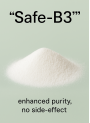
Safe-B3™ (Vitamin B3, Niacinamide)
Propylene Glycol (USP)
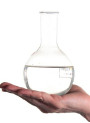
Glycerin (USP/Food Grade)
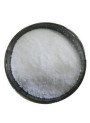
Salicylic Acid (BHA, Pharma Grade)
Phenoxyethanol (Extra Pure)
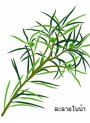
Tea Tree Oil (Water Soluble)
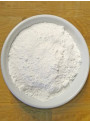
Zinc Oxide (Micronized)
Chromium Oxide Green
Chromium Oxide Green EasyMix™
Purified Water, TDS Limit 1PPM)
BioSulphur™ EQ (Water Soluble Sulfur)

Kaolin (400nm High Whiteness)
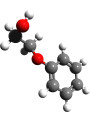
Phenoxyethanol P5