Acne Gel Formulation Issues: Texture, Dissolution, Sediment, and Alternatives
Question
I am trying to make an acne treatment gel formula using the following ingredients and percentages:
- Water: 300g
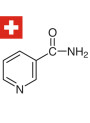
- Safe-B3™ (Vitamin B3, Niacinamide): 5g
- GlucoBright™ (Acetyl Glucosamine): 5g
- Betaine: 5g
- Allantoin: 4g
- Xanthan Gum: 4g
- Ethoxydiglycol: 30g
- Propylene Glycol: 30g
- Green Tea Extract (Hi-EGCG™): 5g
- Phenoxyethanol (Extra Pure): 3g
Mixing Method: I mixed all the powders (B3, NAG, Betaine, Allantoin, Xanthan Gum) together first, then added Ethoxydiglycol and Propylene Glycol, stirred, then added water, stirred, and finally added Green Tea Extract and Phenoxyethanol.
I encountered several problems:
- The product is too liquid and hard to apply.
- The green tea extract clumped and didn't dissolve.
- Other ingredients didn't dissolve completely.
- When rubbing the product on my skin, it feels like there are small particles or like rubbing off dead skin.
- My skin developed clogged pores and whiteheads after using it.
- The product feels sticky and takes a long time to dry, and my face feels oily.
- There is sediment at the bottom of the bottle.
I have some questions:
- Can I use Benzoate as a preservative instead of Phenoxyethanol? If so, how much?
- Can I add Ethanol to help it dry faster and reduce stickiness? If so, how much? Are there other alternatives that are less irritating?
- Is there a better formula or mixing method for an acne treatment gel with B3 and NAG?
Please advise on how to fix these issues and suggest a more suitable formula for a beginner.
Answer
Advice for Your Initial Acne Gel Formula
Hello! It's understandable to encounter issues when making your own cosmetic formula for the first time. Based on the formula and method you provided, the problems you faced, and the advice from others, here is some additional guidance to help you improve your formulation.
Overall, the formula you attempted is quite complex for a beginner. Using many ingredients at relatively high percentages and an incorrect mixing method are the main causes of the problems you experienced.
Let's go through each problem and suggest solutions.
Addressing the Problems Encountered
The product is too liquid and hard to apply:
- The advice from taeioyou and cosmeceutical7 is correct; adding a gelling agent will help.
- In your original formula, you used 1.33% Xanthan Gum, which is within the recommended range (0.1-2%), but it might not be enough for the viscosity you want, or the incorrect mixing method might have prevented the Xanthan Gum from fully hydrating and forming a proper gel.
- Solutions:
- Increase Xanthan Gum: Try increasing the amount of Xanthan Gum in your next attempt. Gradually add a little more (e.g., 1.5%, 2%) until you achieve the desired viscosity. Ensure you mix it correctly according to the instructions for Xanthan Gum (disperse in glycerin or oil first, then gradually add to water while stirring/blending vigorously).
- Use Other Gelling Agents: Consider using Aristoflex AVC or Hyaluronic Acid (Standard Molecule) as suggested alternatives, which provide different gel textures. Aristoflex AVC (usage rate 0.1-2.0%) is easy to use, dissolves well in water, and gives a clear gel. Hyaluronic Acid (Standard Molecule) (usage rate 0.1-0.5%) provides good hydration but requires a specific dissolution method (dispersing in water and refrigerating or using a high-speed blender).
Can I use Benzoate as a preservative?
- cosmeceutical7 confirmed that you can. Sodium Benzoate is a usable preservative in cosmetics.
- Consideration: Sodium Benzoate works best in formulas with an acidic pH (typically below 5). If you want to use Sodium Benzoate, you might need to adjust the formula's pH, which could affect the stability of other ingredients. Phenoxyethanol, which you used at 1% in your original formula, is a standard and effective preservative that works well over a wider pH range (pH 2-9). Using 1% Phenoxyethanol is appropriate.
The green tea extract clumped and didn't dissolve:
- cosmeceutical7's suggestion to stir longer is correct.
- The Green Tea Extract (Hi-EGCG™) sold by the store is a liquid, soluble in water, and should be added in the final step below 40°C.
- Solutions: If you used a powdered green tea extract, you might need a specific method for dissolving it. However, if you used the liquid extract, the problem likely stemmed from mixing it with other powders initially, preventing proper dispersion. You should dissolve ingredients separately in their appropriate solvents or the water phase before combining, or add them in the correct order according to their properties.
Ingredients didn't dissolve completely:
- As cosmeceutical7 pointed out, mixing Ethoxydiglycol and Propylene Glycol with powders first likely hindered dissolution.
- The main cause of incomplete dissolution and sediment (Problem 8): is Allantoin. You used 4g of Allantoin in a 300g formula, which is 1.33%. This is significantly higher than the maximum solubility of Allantoin in water at room temperature (0.5%) and in Propylene Glycol (0.3%) much. Although Betaine can help increase solubility, 1.33% is still well above the limit. The excess Allantoin did not dissolve and became sediment.
- Solutions:
- You must use Allantoin at the recommended rate and within its solubility limit (maximum 0.5% at room temperature, or up to 2% if dissolved in hot water at 75°C, but be cautious with heat and other ingredients).
- You should dissolve each ingredient separately in the appropriate solvent before combining them. For example, dissolve Allantoin in water (within its limit), disperse Xanthan Gum in a small amount of glycerin or oil before adding to water, and dissolve readily water-soluble ingredients like B3, NAG, Betaine, and Phenoxyethanol in the main water phase.
Feels like "dead skin" when rubbing:
- As cosmeceutical7 and Staff suggested, this problem is caused by undissolved or precipitated ingredients, primarily the Allantoin that exceeded its solubility limit. The solid particles remain in the gel, and when you rub the product on your skin, these particles feel like exfoliation or "dead skin."
- Solution: Address the root cause by using Allantoin at the correct concentration within its solubility limit and adjusting your mixing method to ensure all ingredients dissolve properly.
Caused acne/whiteheads, sticky, slow drying, oily feel:
- cosmeceutical7 made excellent points. This formula is complex and contains several ingredients that could contribute to clogged pores or irritation, especially Ethoxydiglycol and Propylene Glycol at high percentages (10% each). Ethoxydiglycol, while a good solvent, has usage restrictions in leave-on products according to FDA regulations (not more than 2.6%). Using 10% may cause irritation and contribute to breakouts. Propylene Glycol at a high percentage can also feel sticky and heavy on the skin.
- Solutions: Reduce the complexity of your formula and decrease the amount of unnecessary or potentially irritating ingredients (like high levels of Ethoxydiglycol and Propylene Glycol). Starting with a basic formula will make it easier to evaluate the effects of the key ingredients.
Can I add Ethanol / How much / Less irritating alternative:
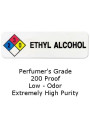
- Ethanol (Ethyl Alcohol) can indeed help the product dry faster and reduce stickiness (available in 99.9% and 96% grades).
- Consideration: Ethanol can be drying and irritating, especially for sensitive or acne-prone skin. If you add Ethanol, do so cautiously, starting with a small amount (e.g., 5-10%) and observing your skin's reaction.
- Alternative Approach: Instead of adding Ethanol to fix stickiness, it's better to adjust the formula from the start by reducing the amount of ingredients that cause stickiness/heaviness, such as Propylene Glycol or Betaine, or by choosing a gelling agent that provides a lighter texture like Aristoflex AVC or certain types of Hyaluronic Acid.
Sediment at the bottom of the bottle:
- As mentioned in points 4 and 5, this sediment is almost entirely undissolved Allantoin because you used it at a concentration far exceeding its solubility limit.
- Solution: Reduce the amount of Allantoin to stay within its soluble range (not more than 0.5% at room temperature) and use the correct mixing method.
Is there a better formula?
- Absolutely. For starting to make an acne treatment product with key ingredients like B3 and NAG, you should begin with a much simpler formula, as strongly recommended by cosmeceutical7.
- Recommended Starting Formula:
- Safe-B3™ (Vitamin B3, Niacinamide): 2-5% (Start with 5% for noticeable effects)
- GlucoBright™ (Acetyl Glucosamine): 2-4% (Use with B3 to enhance efficacy)
- Gelling Agent: Choose only one type, such as Xanthan Gum (0.5-1.5% depending on desired viscosity) or Aristoflex AVC (0.5-1.5%) or Hyaluronic Acid (Standard Molecule) (0.1-0.5%)
- Preservative: Phenoxyethanol (Extra Pure) 1% or NaturePreserve™ Ultra 1.25% (if you prefer a natural preservative and can control pH)
- Distilled Water: The remaining amount to reach 100%
- Mixing Method (for the basic formula):
- Weigh the main portion of distilled water.
- Gradually add the gelling agent (e.g., Xanthan Gum dispersed in a little glycerin, or Aristoflex AVC) to the water while stirring/blending vigorously until a gel forms.
- In a separate container, dissolve B3, NAG, Betaine (if using) in a small amount of the remaining water until fully dissolved.
- Add the solution from step 3 to the gel from step 2 and mix well.
- Add the preservative (Phenoxyethanol) and mix until incorporated.
- Measure and adjust the pH of the formula to the appropriate range (generally 4.0-7.0 for B3/NAG).
- Make a small batch first (e.g., 50g) to test and refine. Once you have a stable formula and method, you can scale up.
Making cosmetics requires understanding ingredient properties and correct mixing techniques. Starting with simple formulas and gradually adding ingredients will help you learn and control the quality of your products effectively.
Related Products Mentioned
Safe-B3™ (Vitamin B3, Niacinamide)
Allantoin
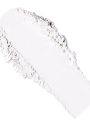
GlucoBright™ (Acetyl Glucosamine)
Ethoxydiglycol (e.q. Transcutol)
Propylene Glycol (USP)
Phenoxyethanol (Extra Pure)
Natural Betaine (Crystal)

Hi-EGCG™ (Green Tea Extract)