Acne Gel Formulation: Texture Issues with LHA and Pro Polymer, and Adding Whitening Ingredients
Question
I am making an acne gel using the following ingredients:
Acne BeeCapryloyl Salicylic Acid (LHA) LiquidVitamin B3 (Safe-B3™)Pro PolymerPhenoxyethanol
I have observed the following issues:
- When I add
Capryloyl Salicylic Acid (LHA) Liquid, the clear gel turns cloudy and light pink. Is this normal? - When I apply the gel, it feels sticky initially. Is this normal?
I also want to add an ingredient to help brighten the skin. Which whitening ingredients would be suitable for this gel formula?
Answer
Acne Gel Formulation Advice and Adding Whitening Ingredients
Thank you for sharing your experience with your homemade acne gel! It's great to hear that the formula is effectively reducing oiliness and drying out acne after just one week.
Regarding the issues you've encountered:
Cloudiness, Pink Color, and Stickiness
As the staff previously explained, the phenomenon of the gel turning cloudy and slightly pink when you add Capryloyl Salicylic Acid (LHA) Liquid is considered normal and unavoidable when using Pro Polymer as the gelling agent. This is because LHA has properties similar to oil, and Pro Polymer tends to become cloudy when mixed with oil-like substances.
The initial sticky feeling you experience upon application is also a characteristic texture of gels made with Pro Polymer. This stickiness should be temporary and absorb into the skin within a short time, typically less than a minute.
How to Address Cloudiness or Stickiness
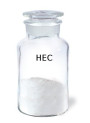
- For a Clear Gel: If having a clear gel is important to you, you can consider replacing Pro Polymer with Hydroxyethyl Cellulose (HEC) as your gelling agent. Hydroxyethyl Cellulose is known for producing clear gels. Switching the gelling agent might also affect the texture and potentially reduce the initial stickiness, although this would require testing.
- Regarding LHA: The cloudiness with Pro Polymer is a specific interaction. If you switch to Hydroxyethyl Cellulose, the gel might remain clearer even with Capryloyl Salicylic Acid (LHA) Liquid, but this should be tested.
Adding a Skin Whitening Ingredient
Yes, you can definitely add a skin whitening ingredient to your formula to help brighten the skin.
Here are a few water-soluble whitening ingredients that could be suitable for your gel formulation:
- GlyciWhite™: Can be used at 3-10% (recommended 5%). It works effectively to counteract melanin production and is gentle on the skin.
- Z-White™: Recommended usage is 0.1-3% (typically 1%). Z-White™ works through different mechanisms to inhibit melanin formation, making it suitable for combining with other whitening agents like Vitamin B3 (Safe-B3™) which is already in your formula.
- AEPWhite™: Recommended usage is 0.1-1.0% (typically 0.5%). AEPWhite™ works by stabilizing DOPAchrome, a step in the melanin production process, and can enhance the effect of other tyrosinase inhibitors. It also offers excellent stability.
- Hexylresorcinol AF: Can be used at 1-3%. This is a water-soluble form of Hexylresorcinol, known for reducing dark spots and inhibiting tyrosinase activity.
How to Add: Most water-soluble whitening ingredients are added to the water phase of your formulation. It's generally best to avoid exposing them to high heat unless specified otherwise in their instructions.
Remember that adding or changing ingredients in a formulation requires careful testing to ensure compatibility, stability, and desired results.
Your current formula includes Acne Bee, Capryloyl Salicylic Acid (LHA) Liquid, Vitamin B3 (Safe-B3™), Pro Polymer, and Phenoxyethanol.
Related Products Mentioned
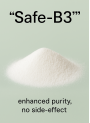
Safe-B3™ (Vitamin B3, Niacinamide)
Phenoxyethanol (Extra Pure)
Pro Polymer™ (Gel Maker)
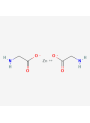
Z-White™
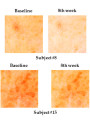
GlyciWhite™