Acne Spot Treatment Gel Formulation: Compatibility and Mixing
Question
I am formulating a spot treatment for clogged and inflamed acne with the following ingredients:
- Water 88.8%
- Disodium EDTA 0.2%
- Mild Preserved Eco 1%
- MicroKill 1% (for acne bacteria)
- Ichthammol 2% (for inflamed acne)
- Complex Salicylic Acid (Powder, Water-Soluble) 5% (for clogged pores)
- Zinc PCA 1% (to reduce acne marks)
- propolymer 1%
My proposed mixing procedure is:
Combine 1 + 2 + 3. Then add 4, 5, 6, 7. Finally, add 8 and stir until a gel is formed.
My questions are:
- Are the ingredients compatible?
- Is the mixing order correct?
- If needed, what ingredient should I use to improve the gel's adhesion to the skin?
Answer
Formulation Review
Your formula contains several effective ingredients for treating acne:
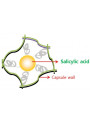
- Complex Salicylic Acid: A BHA known for exfoliating skin cells and dissolving clogged pores, suitable for blackheads and whiteheads. Your concentration of 5% powder is equivalent to 2% active Salicylic Acid, which is the maximum allowed level and effective for treating clogged pores.
- Ichthammol: Known for its anti-inflammatory and antibacterial properties, useful for inflamed acne.
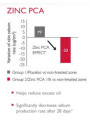
- Zinc PCA: Helps reduce oiliness, accelerates wound healing, and can help reduce redness from acne.
- Mild Preserved Eco: Acts as a preservative to keep the product stable and free from microbial contamination.
- Pro Polymer: A gel-forming agent to create the desired texture.
- Disodium EDTA: A chelating agent that helps improve formula stability by binding to metal ions in water.
Ingredient Compatibility
The ingredients are generally compatible. However, there are a couple of points to note regarding interactions and optimal conditions:
- Zinc PCA and Pro Polymer: Zinc PCA is an electrolyte. Pro Polymer is a gel maker that can be affected by electrolytes, potentially leading to a decrease in viscosity or requiring a higher concentration of Pro Polymer to achieve the desired gel thickness. The product description for Pro Polymer mentions that ingredients containing electrolytes like Zinc PCA should ideally be added after the gel has been formed.
- pH Level: Complex Salicylic Acid is most effective at a low pH. Zinc PCA is most soluble in the pH range of 4-6, although it can be used in formulas with a pH of 3-7. The high concentration of Complex Salicylic Acid will likely result in a low pH for your formula. This low pH is good for the Salicylic Acid but might be slightly outside the optimal range for Zinc PCA solubility, though it should still be acceptable within the 3-7 range. You may want to check the final pH of your formula to ensure ingredient stability and efficacy.
Mixing Order
Your proposed mixing order is mostly correct in terms of adding powder ingredients to the water phase before gelling, but based on the properties of Mild Preserved Eco and Zinc PCA, a slightly revised order would be more optimal:
- Combine Water and Disodium EDTA. Mix until the Disodium EDTA is fully dissolved.
- Add Complex Salicylic Acid and mix until it is completely dissolved in the water phase.
- Add Ichthammol and the antimicrobial ingredient (MicroKill). Mix thoroughly to ensure they are well dispersed or dissolved.
- Slowly sprinkle Pro Polymer into the mixture while stirring continuously. Avoid high-speed blending, which can damage the polymer structure. Continue stirring until the Pro Polymer is fully hydrated and a smooth gel is formed. It may help to let the mixture sit for a while after initial stirring to allow the Pro Polymer to hydrate fully before final mixing.
- Once the gel is formed, add Zinc PCA and mix until dissolved. Observe the gel consistency; if it thins significantly, you might need to adjust the Pro Polymer concentration in future batches.
- Finally, add Mild Preserved Eco and mix until evenly distributed.
Adding Mild Preserved Eco at the end is recommended as per its product description. Adding Zinc PCA after the gel is formed helps ensure the Pro Polymer can build its structure effectively before encountering the electrolyte.
Improving Skin Adhesion
Pro Polymer itself provides some film-forming properties, which helps the gel adhere to the skin. At a 1% concentration, it should create a stable gel texture that stays on the application area.
If you find that the gel does not adhere to the skin as well as you would like, you could consider adding a small amount of a film-forming polymer. Ingredients like PVP (Polyvinylpyrrolidone) or certain Acrylates Copolymers are commonly used to improve skin adhesion and create a flexible film. However, adding another ingredient would require testing to ensure compatibility with your existing formula and to check the resulting texture and stability. For a spot treatment, the current formulation with Pro Polymer should likely provide sufficient adherence.
In summary, your formula contains a good combination of active ingredients for acne treatment. The ingredients are generally compatible, but adjusting the mixing order as suggested can help optimize the gel formation with Pro Polymer in the presence of Zinc PCA. The current level of Pro Polymer should provide reasonable skin adhesion for a spot treatment.
Related Products Mentioned
Disodium EDTA
Pro Polymer™ (Gel Maker)
Zinc PCA
Mild Preserved Eco™ (Preservative-Free)