Acne Treatment and Skin Brightening with BHA and Other Actives
Question
I want to formulate a product to treat clogged and inflamed acne and also achieve brighter, less dull skin. Could you please provide guidance on:
Using Salicylic Acid (BHA) for clogged and inflamed acne:
- What is the recommended concentration for leave-on products?
- What is the correct mixing method for different types of Salicylic Acid (standard powder vs. water-soluble versions like Complex Salicylic Acid or ActiveRelease™ Salicylic Acid)?
- What is the typical shelf life for these ingredients?
Achieving brighter skin:
- What are some effective ingredients for brightening skin and reducing dullness?
- Specifically, how should I use and formulate with ingredients like GlucoBright™ (Acetyl Glucosamine), Activated Resorcinol™ (4-Butyl Resorcinol), Phenylethyl Resorcinol (e.q. SymWhite 377), Yeast Radiance™, and Pep®-Bright (Hexapeptide-2)? Please include recommended usage rates, mixing instructions (e.g., water phase, oil phase, temperature limits), optimal pH ranges, and storage conditions for these ingredients.
- Can some of these brightening ingredients be combined for enhanced effect?
I am looking for detailed information on formulation and ingredient properties to create an effective product.
Answer
Acne Treatment and Skin Brightening
Here is information regarding your questions about treating clogged acne and achieving brighter skin using cosmetic ingredients.
1. Treating Clogged and Inflamed Acne with BHA
Salicylic Acid (BHA) is effective for treating clogged pores and acne due to its ability to exfoliate skin cells and dissolve impurities within the pores. For the type of clogged acne you described, especially those becoming inflamed, using BHA can help prevent new clogs and improve skin texture. However, as the staff mentioned, for existing inflamed or painful acne, consulting a dermatologist for professional treatment or extraction is highly recommended.
Recommended Concentration:
For daily use in leave-on products (like serums or creams), a concentration of 1-2% Salicylic Acid is generally recommended and permitted by the FDA (up to 2%). Starting with a lower concentration, such as 1.0%, and gradually increasing it by 0.25% increments every 5 days can help you find the maximum concentration your skin can tolerate daily without excessive peeling or irritation. If using for a shorter contact time (wash-off products), higher concentrations (up to 3% for shampoo, check specific product details) might be used, but for treating clogged pores, a leave-on treatment is typically more effective.
Mixing Method:
The mixing method depends on the type of Salicylic Acid you use:
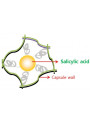
- Salicylic Acid (standard powder): This type is not water-soluble. It must be dissolved in a solvent like Propylene Glycol, Butylene Glycol, or alcohol before adding to your formulation. Isopentyldiol is noted as a good solvent.
- Complex Salicylic Acid (Powder, Water-Soluble) or ActiveRelease™ Salicylic Acid (Powder, Water-Soluble): These types are designed to be directly soluble in water, making them easier to incorporate into water-based formulas like gels or serums. Follow the product's recommended usage rate (e.g., up to 5% for Complex Salicylic Acid or ActiveRelease™ Salicylic Acid, which corresponds to 2% active BHA).
Shelf Life:
The shelf life varies by product type. Standard Salicylic Acid powder can last up to 5 years. Complex Salicylic Acid has a minimum shelf life of 60 months (5 years), and ActiveRelease™ Salicylic Acid has a shelf life of at least 24 months (2 years). Always store in a tightly sealed container away from sunlight and heat.
2. Achieving Brighter, Less Dull Skin
To address dullness and achieve brighter skin, several ingredients can be effective by targeting melanin production and promoting skin cell turnover. Here are a few options:
- GlucoBright™ (Acetyl Glucosamine): This ingredient works well with Vitamin B3 (Niacinamide) to reduce dark spots and brighten skin. It also helps with gentle exfoliation and can improve skin hydration. Use at 1-8% (often recommended at 4% with Niacinamide 2-4%). Mix in the water phase, avoid prolonged heat, and keep the pH between 3-7. Shelf life is at least 2 years stored at room temperature away from light and heat.
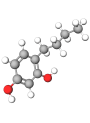
- Activated Resorcinol™ (4-Butyl Resorcinol): A highly effective whitening agent that inhibits melanin production. Use at 0.1-1.0% for leave-on products. It is soluble in oil and should be mixed into the oil phase or added to the cream in the final step. The optimal pH is 4.5-5.5. It is light-sensitive and should be stored in the refrigerator (6-8°C) for long-term storage, away from light and humidity. Shelf life information is tied to proper storage.
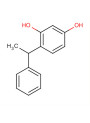
- Phenylethyl Resorcinol (e.q. SymWhite 377): Another effective and generally safe brightening ingredient that inhibits tyrosinase. Use at 0.1-1.0% (recommended 0.5% for leave-on). It dissolves in oil but can be added directly to the cream in the final step (heat up to 50°C can help). The finished product pH should be 4-5 and stored away from light and air, preferably in the refrigerator for long-term storage (6-8°C). Shelf life information is tied to proper storage.
- Yeast Radiance™: This yeast protein extract helps brighten skin and improve radiance without causing paleness. It is gentle and suitable for all skin types. Use at 3%. Mix in water, avoid heat, and keep the pH between 4.0-6.5. Store in the refrigerator away from heat and light; it has a shelf life of 3 years.
- Pep®-Bright (Hexapeptide-2): A peptide that helps brighten skin by inhibiting melanin production. Use at 1%. Mix in the water phase, avoid temperatures above 40°C. Store in the refrigerator (5-15°C) away from light for at least 2 years.
Combining some of these ingredients can enhance the brightening effect. Always ensure your final product is stored correctly to maintain stability and efficacy. The shelf life of the final product will depend on all ingredients and preservatives used.
Related Products Mentioned
GlucoBright™ (Acetyl Glucosamine)
Salicylic Acid (BHA, Pharma Grade)

Yeast Radiance™