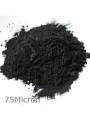
Activated Carbon: Food Grade Applications and Safety
Question
Is Activated Carbon powder available in food-grade quality? If so, please provide detailed information on its applications in the food industry, specifically its use as a processing aid for purification (e.g., in sugar, beverages, edible oils) and as an intentional color additive (E153 'vegetable carbon'). Additionally, could you explain the regulatory status of E153 in different regions (e.g., EU/UK, US) and highlight any important safety considerations, such as its non-selective adsorption and recommended usage guidelines with medications?
Answer
Activated Carbon for Food Grade Applications
Yes, Activated Carbon is available in food-grade quality. It is widely used in the food sector for various purposes, primarily as a processing aid for purification and as an intentional color additive (E153 "vegetable carbon").
Key Uses in the Food Sector:
1. Processing Aid (Adsorptive Purification)
Activated carbon's large internal surface area (800–1200 m² g⁻¹) allows it to adsorb color bodies, off-odors, pesticide residues, polyphenols, and trace organics. This results in a clearer, more neutral base for various food products.
- Typical Applications: Sugar syrups, molasses, glucose/fructose, beverage-water, wine, spirits, juice, vinegar, edible oils, gelatin, and glycerine.
- Examples:
- Sugar Refining: Used to strip yellow–brown pigments, improving color and flavor stability.
- Beverage Water: Removes chlorine/chloramine, micropollutants, and earthy/phenolic notes from water used in soft-drink and brewery plants.
- Wine & Spirits: Corrects browning, smoke-taint volatiles, or fusel oils.
2. Intentional Color Additive (E153 "Vegetable Carbon")
Food-grade activated carbon provides a deep matte black hue to various food items and can also alter perceived bitterness/sweetness balance in some products.
- Typical Applications: Black bakery items, confectionery coatings, liquorice, gourmet cheeses (e.g., Morbier rind), ice-cream, burger buns, and pasta.
- Regulatory Status (E153):
- EU/UK & many Codex-aligned markets: "Vegetable carbon (E153)" is on the positive list for colors, with specific purity specs and quantum satis limits in certain foods.
- United States: Charcoal/vegetable carbon is delisted as a food color but can still be used as a processing aid if filtered out.
Safety and Interaction Points:
- Adsorption is non-selective: Ingested carbon can bind water-soluble vitamins and many common drugs, reducing their bioavailability.
- Spacing Rule: Nutritionists advise at least a 2–4 hour gap between any charcoal-colored food and critical medication.
- Digestive Effects: Occasional servings are generally well tolerated, but high, chronic intakes may cause constipation, dehydration, or (rarely) bowel obstruction.
- Regulatory Specs: Always use food-grade, acid-washed carbons certified to the Food Chemicals Codex or equivalent to minimize heavy-metal exposure.