Activated Resorcinol, Sun Exposure, and Skin Sensitivity
Question
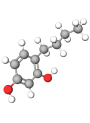
I have a question about using Activated Resorcinol (4-Butylresorcinol) in a skin whitening formula.
My understanding is that Activated Resorcinol works by inhibiting Tyrosinase and does not directly cause skin thinning or increased photosensitivity. However, it can cause irritation, which might make skin more sensitive to sun.
In the context of a formula containing:
- Activated Resorcinol (4-Butylresorcinol)
- Glycolic Acid (0.5-1%)
- Tranexamic Acid
- Vitamin B3
- Bisabolol
- Vitamin B5
Does using Activated Resorcinol make the skin thin or significantly more sensitive to sunlight? Is it necessary to completely avoid sun exposure, or is using the formula only at night combined with daily high-SPF, broad-spectrum sunscreen sufficient? I am concerned about potential irritation from sun exposure while using this ingredient.
Answer
Hello,
I understand your concern regarding the advice on avoiding sun exposure.
Based on the ingredients in the new recommended formula:
- Activated Resorcinol (4-Butylresorcinol): This ingredient directly inhibits the enzyme Tyrosinase in the melanin production process. It does not thin the skin or make it directly sensitive to sunlight like some exfoliating agents. However, it can cause skin irritation in some individuals, and irritated skin may become more sensitive to external factors, including sunlight.
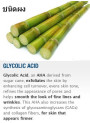
- Glycolic Acid (AHA): AHAs have exfoliating properties which can temporarily thin the outer layer of the skin and increase photosensitivity. However, in this formula, it is used in a relatively small amount (0.5-1%) primarily for pH adjustment. Its effect on exfoliation and photosensitivity may not be as significant as when used in higher concentrations for direct exfoliation.
- Other ingredients (Tranexamic Acid, Vitamin B3, Bisabolol, Vitamin B5): These ingredients help reduce dark spots, reduce inflammation, and provide moisture, which complements the main active ingredients and helps reduce the chance of irritation.
Therefore, the Staff's recommendation to avoid sun may be to reduce the risk of irritation that could occur from Activated Resorcinol and Glycolic Acid when exposed to sunlight, which might make the skin feel uncomfortable or become red more easily. It does not mean the skin will be severely sunburned more than usual from direct use of Activated Resorcinol.
Recommendation:
Using this formula only at night and applying a high-SPF, broad-spectrum sunscreen in sufficient quantity daily during the day is a standard and sufficient practice for protecting the skin when using products that may cause irritation or slightly increase photosensitivity.
Key points:
- Consistent and sufficient sunscreen application: Even when staying indoors, UV light can penetrate windows. Daily sunscreen application is crucial for preventing melasma and dark spots from worsening, especially when using treatments for hyperpigmentation.
- Observe your skin's reaction: If you experience stinging, redness, itching, or irritation, you should reduce the frequency of use or the concentration of potentially irritating ingredients (like Activated Resorcinol or Glycolic Acid) and increase soothing ingredients (like Bisabolol, Vitamin B5).
- Avoid direct strong sunlight: If you must be in strong sunlight, use additional protective measures such as an umbrella or a wide-brimmed hat, in addition to applying sunscreen.
In summary, using the formula only at night and sunscreen during the day is considered an appropriate and sufficient regimen for this formula.
Related Products Mentioned
Safe-B3™ (Vitamin B3, Niacinamide)

Natural Bisabolol (Brazil Chamomile)
Light Cream Maker™
Fractionated Coconut Oil

Trans-White™