Adding Active Ingredients to Amino Acid Soap Base (Considering Heat and Wash-off)
Question
I want to add active ingredients to an amino acid soap base. The goal is to create a soap bar that helps with:
- Reducing wrinkles
- Repairing skin structure
- Whitening skin
- Reducing redness
- Being suitable for sensitive skin
I understand from the staff reply that the amino acid base has a suitable pH for most actives, unlike traditional glycerin soap bases which are highly alkaline. However, the process involves high heat (80-90°C) during mixing, and it's a wash-off product, meaning the contact time on the skin is very short (less than 30 seconds). The staff mentioned that ingredients like AHA, BHA, and PHA (hydroxy acids) tend to show effects quickly in wash-off products.
Could you please recommend active ingredients that are suitable for adding to an amino acid soap base, considering the high temperature tolerance required (around 80-90°C) and the limited contact time in a wash-off product, while targeting the specific skin concerns mentioned above (wrinkles, skin repair, whitening, redness, sensitive skin)? I need to ensure the ingredients remain effective and stable under these conditions.
Answer
Ingredient Recommendations for Amino Acid Soap Base
Regarding adding active ingredients to an amino acid soap base for concerns like wrinkles, skin repair, whitening, redness, and sensitive skin, while considering the high temperature (80-90°C) during preparation and the wash-off nature of the product:
As the staff reply mentioned, amino acid soap bases have a skin-friendly pH, making them suitable for many active ingredients. The main challenges are the high temperature and the short contact time on the skin.
Many ingredients can withstand temperatures up to 80-90°C for short periods, but it's crucial to check the specific heat tolerance listed under the "เทคนิค" (Technique) section for each product on its page. For wash-off products, ingredients that work quickly or through mechanisms like exfoliation tend to show more noticeable effects.
Here are some ingredient recommendations based on your needs and the constraints:
For Gentle Exfoliation, Anti-Aging, and Sensitive Skin
- Natural PHA (Gluconolactone): Polyhydroxy acids (PHAs) like Gluconolactone offer gentle exfoliation, hydration, and antioxidant benefits, making them suitable for sensitive skin and helping with anti-aging concerns like fine lines. While PHAs are generally milder, you should verify the specific heat tolerance of this ingredient for mixing at 80-90°C, or consider adding it when the base has cooled slightly if its maximum temperature is lower.
For Exfoliation and Wrinkle Reduction (with Heat Tolerance)
- Capryloyl Salicylic Acid (LHA): This Lipo Hydroxy Acid is known for its exfoliating properties, helping to improve skin texture and reduce the appearance of wrinkles. It is stated to withstand heat up to 80°C, making it potentially suitable for your process. Note that LHA is typically mixed into the oil phase of a formulation.
For Whitening and Redness Reduction
- Tranexamic Acid (Trans-White™): Known for its ability to reduce melanin production and improve issues like blemishes and dark spots, which can also help with overall skin tone and redness. This is a water-soluble ingredient. You should check its specific heat stability at 80-90°C and note that it requires refrigeration for long-term storage.
- Hexylresorcinol AF (e.q. Hentowhite): A water-soluble ingredient effective for whitening, reducing dark spots, and brightening skin tone. It also offers light peeling benefits. Verify its heat tolerance for your soap-making process.
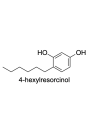
- HR-White™ (4-Hexylresorcinol): Another form of Hexylresorcinol, soluble in Glycol, that can withstand temperatures up to 80°C for a short time. It offers whitening, antioxidant, anti-glycation, and anti-inflammatory benefits, which can help with redness and skin structure.
When formulating, always check the recommended usage rate and mixing instructions for each specific ingredient. Remember that the efficacy in a wash-off product will be less pronounced compared to leave-on products due to the short contact time.
Related Products Mentioned
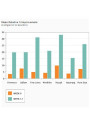
Natural PHA (Gluconolactone)
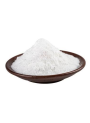
Tranexamic Acid (Trans-White™)