Adding Actives for Melasma/Dark Spots to Serum/Gel Bases for Oily Skin
Question
I have a few questions about adding active ingredients to existing bases:
- If I want to add
Tranexamic Acidto theVitamin C E Ferulic Pre-Mix Kitat 3%, should I reduce the base amount by 3% or just add the 3% extra? What is the difference between these two methods? - I also purchased
Capryloyl Salicylic Acid (LHA) Liquid. Can I use it with a gel base likeHADALABO hyaluron gel base?
Answer
Skincare Formulation for Melasma and Dark Spots on Oily Skin
Addressing melasma and dark spots, especially on oily skin and after using strong ingredients like HQ, requires a careful approach focusing on reducing pigment production, increasing cell turnover, and crucially, protecting the skin from further sun damage.
The Most Important Step: Sunscreen
Consistent and adequate sunscreen use is non-negotiable. Since you mentioned your dark spots appeared after using HQ and possibly insufficient sunscreen, this reinforces how vital sun protection is. Using a broad-spectrum sunscreen with high SPF daily, and reapplying as needed, is the foundation of treating hyperpigmentation and preventing recurrence.
Recommended Ingredients for Hyperpigmentation and Oily Skin
For oily skin, ingredients that are water-soluble or can be formulated into light, non-greasy textures like serums or gels are often preferred. Here are some effective options for melasma and dark spots:
- Tranexamic Acid: This ingredient is excellent for reducing the appearance of melasma and dark spots by interfering with the melanin production pathway. It is water-soluble and generally well-tolerated, making it suitable for oily skin formulations.
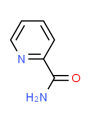
- Picolinamide (B3-Boost™): Research indicates Picolinamide can be effective in reducing melasma, with studies showing comparable results to Hydroquinone but with less irritation. It is water-soluble and can be easily incorporated into serum or gel bases.
- Hexylresorcinol AF: This is a water-soluble form of Hexylresorcinol, known for its skin brightening and dark spot reducing properties. It works by inhibiting enzymes involved in melanin production and also offers mild exfoliation. It's non-irritating and suitable for oily skin.
- Activated Resorcinol™ (4-Butyl Resorcinol): A highly potent ingredient for whitening and anti-melasma effects. However, it is oil-soluble and light-sensitive, requiring careful formulation (often in an oil phase) and packaging to maintain stability. While effective, its oil solubility might be less ideal for purely oil-free formulas for oily skin, but it can be used in light emulsions.
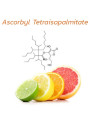
- Perfect-C™ (Ascorbyl Tetraisopalmitate): This is an oil-soluble form of Vitamin C known for its stability and ability to penetrate the skin effectively. It offers whitening, anti-oxidant, and anti-aging benefits. Like Activated Resorcinol, it requires an oil phase or emulsifier for incorporation.
- Capryloyl Salicylic Acid (LHA): A derivative of Salicylic Acid (BHA) that is oil-soluble but considered gentler. It helps exfoliate the skin, unclog pores, and improve skin texture, which can help fade dark spots and manage oiliness and acne. It needs to be dissolved in an oil phase, potentially with gentle heating, before incorporating into a formula.
Addressing Your Specific Questions
- Adding Tranexamic Acid to Vitamin C E Ferulic Kit: Yes, you can add Tranexamic Acid to the Vitamin C E Ferulic kit. It is water-soluble and compatible with the base. The recommended usage rate for Tranexamic Acid in cosmetics is typically up to 3%.
- Adding Perfect-C™ to Vitamin C E Ferulic Kit: As previously advised, adding Perfect-C™ (which is oil-soluble) directly to the water-based Vitamin C E Ferulic kit is difficult because the kit does not contain the necessary emulsifiers to incorporate oil-soluble ingredients effectively. You would need a different base or formulation approach that includes an oil phase and emulsifier to use Perfect-C™.
- Using Capryloyl Salicylic Acid (LHA) with Hada Labo Hyaluron Gel Base: Yes, you can potentially use LHA with a gel base like Hada Labo Hyaluron, provided the base can accommodate oil-soluble ingredients. LHA powder needs to be dissolved in an oil phase (like a suitable solvent or light oil) first, often with gentle heating, before being carefully mixed into the gel base. LHA can help with exfoliation and managing oily skin and acne dark spots.
Formulation Approach
For oily skin, consider formulating a light serum or gel using water-soluble actives like Tranexamic Acid, Picolinamide, and Hexylresorcinol AF. If you wish to incorporate oil-soluble actives like Activated Resorcinol™ or Perfect-C™, you would need to create an emulsion (cream or lotion) with a suitable oil phase and emulsifier, ensuring the texture remains light for oily skin.
Adding LHA to a compatible base can provide exfoliation benefits, helping to fade dark spots and improve skin clarity.
Important Considerations
- Always start with low concentrations of active ingredients and gradually increase if your skin tolerates it.
- Perform a patch test on a small area of skin before applying a new formulation to your entire face.
- Consistency is key. Use your treatment regularly as part of your skincare routine.
- Never skip sunscreen. This is the single most important factor in preventing your dark spots and melasma from worsening or returning.
By carefully selecting ingredients suitable for oily skin and focusing on consistent sun protection, you can create a formulation to effectively address melasma and dark spots.
Related Products Mentioned
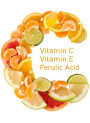
Vitamin C E Ferulic
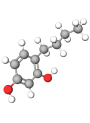
Tranexamic Acid (Trans-White™)
B3-Boost™ (Picolinamide)