Adding Actives to Cream Base for Face and Eye
Question
If I purchase a cream base from your company, can I add the following chemicals:
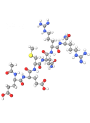
- Pal-GHK, Pal-GQPR (eq. Matrixyl 3000)
- Acetyl Hexapeptide-8 (eq. Argireline)
- Ethyl Ascorbic acid (Vitamin C Ethyl Ether)
If so, which cream base would you recommend that is suitable for both the eye area and the face?
Answer
Yes, you can add these active ingredients to a cream base purchased from the company. The ingredients you listed are Pal-GHK, Pal-GQPR (Matrixyl 3000), Acetyl Hexapeptide-8 (Argireline), and Ethyl Ascorbic Acid (Vitamin C Ethyl Ether). These are water-soluble active ingredients commonly used in anti-aging and brightening formulations.
When adding these actives to a cream base, it's important to consider the base's compatibility and the recommended usage guidelines for each active ingredient. Generally, these types of water-soluble actives are added to the cream base during the cooling phase, typically below 40°C, to maintain their stability and effectiveness, especially for peptides like Matrixyl 3000 and Argireline.
The pH of the final formulation is also a critical factor, particularly for Ethyl Ascorbic Acid, which requires a pH range of 3.5-6.0 for optimal stability and efficacy. Argireline also has a recommended pH range of 3.5-6.5. You should check the pH of the cream base and the final mixture after adding the actives to ensure it falls within these ranges.
Based on your requirement for a base suitable for both face and eye areas, here are two cream bases from our company that could be suitable:
Skin Barrier Cream Base (Emulsifier Free): This base is specifically designed to restore the skin's protective barrier and is very gentle, making it highly suitable for sensitive skin areas like around the eyes, as well as the face. It is emulsifier-free, which can be beneficial for easily irritated skin. This base is concentrated and is often recommended to be diluted with water or another base (5-10% for normal skin, up to 50% for problem skin). Its gentle nature makes it a strong candidate for an eye cream base.
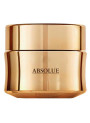
Absolue Soft Cream Base: This base is formulated to provide a soft texture and is designed to be a base ready for adding various active ingredients. It is preservative-free and fragrance-free, contributing to its suitability for facial use. While not specifically marketed for the eye area, its gentle formulation suggests it could potentially be used there, provided the added active ingredients are also suitable for the eye contour.
Both of these bases can likely incorporate the water-soluble actives you mentioned. The Skin Barrier Cream Base might be particularly advantageous for the eye area due to its focus on gentleness and barrier repair.
Here are the recommended usage rates for the active ingredients you plan to add:
- Pal-GHK, Pal-GQPR (Matrixyl 3000): 3-5% (recommended 3%)
- Acetyl Hexapeptide-8 (Argireline): 3-10%
- Ethyl Ascorbic Acid: 1-10% (recommended 3%)
When adding these actives, ensure the cream base has cooled sufficiently (below 40°C for the peptides) and mix them thoroughly. It is advisable to perform a small test batch first to check for compatibility and stability before making a larger quantity. Remember to check the final pH of your customized cream.