Adding Actives to Face Massage Cream
Asked by: jn_andy
On: September 19, 2015
Product Type:
Cosmetics
Answered
Question
I have a pre-made face massage cream and would like to add the following active ingredients:
- Vitamin C LAA for brightening
- Coenzyme Q10 for anti-aging
- Hi-EGCG (Green Tea Extract EGCG) for oily skin
Could you please advise on:
- The compatibility and stability of adding Vitamin C LAA to this cream?
- Whether Coenzyme Q10 can be added?
- Whether Hi-EGCG can be added, and how (e.g., solubility)?
- The overall effectiveness and absorption of these added actives when used with this cream, considering its composition (which I perceive as having high oil content) and the long massage time (30-45 minutes)?
Answer
Subject: Adding actives to face massage cream
Based on the ingredients provided and the staff's reply:
Adding Vitamin C LAA for brightening:
- While your cream contains Vitamin E, which helps reduce oxidation, L-Ascorbic Acid (LAA) requires specific conditions, including appropriate pH and often other antioxidants like Ferulic Acid, for stability.
- Adding LAA directly to this pre-made formula might lead to rapid degradation.
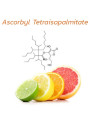
- The staff recommends using more stable Vitamin C derivatives instead, such as Vitamin C Ester or Perfect-C (Ascorbyl Tetraisopalmitate), which are more suitable for adding to existing formulations.
Adding Coenzyme Q10 for anti-aging:
- Yes, you can add Coenzyme Q10 to this formula.
- The presence of Cetearyl Alcohol in the ingredient list will help emulsify Coenzyme Q10 into the cream.
Adding Hi-EGCG for oily skin:
Effectiveness of actives with high oil content during massage:
- Based on the ingredient list starting with water, this cream appears to be an oil-in-water (O/W) emulsion.
- O/W emulsions are generally effective at delivering active ingredients into the skin. Water-soluble actives are in the outer phase and contact the skin directly, while oil-soluble actives are easily absorbed.
- Compared to water-in-oil (W/O) emulsions (which are better for creating a barrier on the skin), O/W emulsions facilitate better penetration of water-soluble actives.
- The long massage time (30-45 minutes) can also help improve the absorption of the active ingredients into the skin.
Related Products Mentioned
Vitamin E (Tocopheryl Acetate)
Cosmetics
Pure-Ferulic Acid™
Cosmetics
Vitamin C (L-ascorbic acid) (Fine)
Cosmetics
Cetearyl Alcohol (50/50, e.q. Lanette O)
Cosmetics

Coenzyme Q10 Extra
Cosmetics
Hi-EGCG™ (Green Tea Extract)
Cosmetics